Tag: 613.28

The Simple Trick a Dietitian Uses to Hit Her Protein Goals on Busy Weeknights
Nutrition & Meal Planning

The Simple Trick a Dietitian Uses to Hit Her Protein Goals on Busy Weeknights

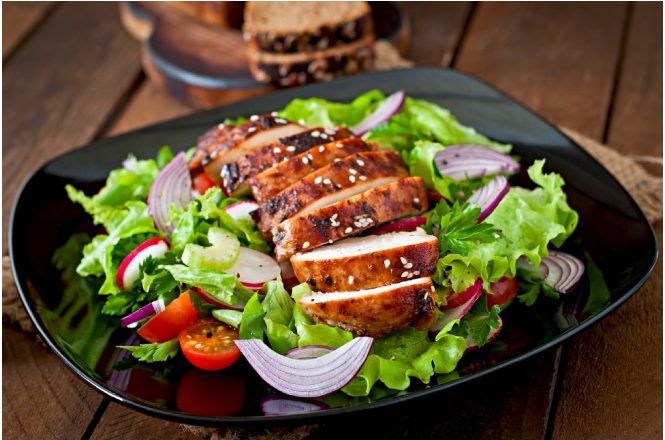
Meal planning often sounds like a good idea in theory, but quickly becomes overwhelming in practice. However, registered dietitian Natalie Rizzo has a straightforward strategy that makes hitting daily protein goals easier — even on the most hectic weeknights. Rizzo, a TODAY nutrition editor, sits down every Sunday to plan just six dinners for her family (they allow themselves one takeout night). Her key rule? Rotate the protein source every single night so meals stay exciting and nutritious. “What I try to do is make a different protein every night,” Rizzo explains. “Because I get bored eating the same thing every night.” How the Protein Rotation Strategy Works Instead of defaulting to chicken or beef repeatedly, Rizzo centers each dinner around a different plant-based pr...
Discover Why Bread and Carbs Can Cause Weight Gain Even Without Extra Calories
Nutrition & Meal Planning

Discover Why Bread and Carbs Can Cause Weight Gain Even Without Extra Calories

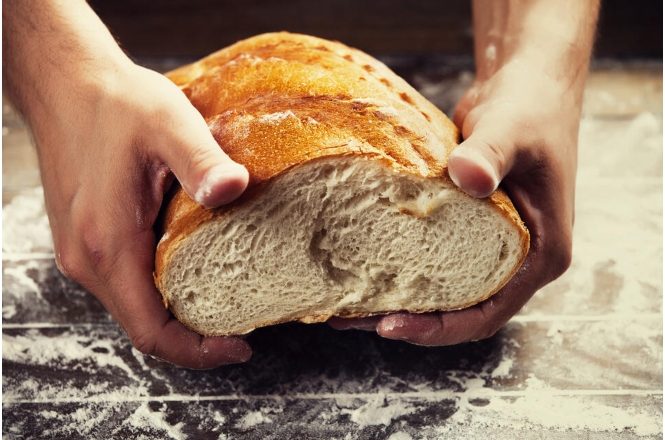
A new study from Osaka Metropolitan University has challenged conventional thinking about carbohydrates, revealing that staple foods like bread, rice, and wheat may promote weight gain and increased body fat not by encouraging overeating, but by significantly slowing down the body’s energy expenditure. In carefully controlled experiments, researchers observed that mice strongly preferred carbohydrate-rich foods over their standard chow, eventually abandoning the regular diet altogether. Even when total calorie intake did not increase substantially, the mice consuming bread, wheat flour, or rice flour experienced notable gains in body weight and fat mass. The effect was consistent across both normal and high-fat diet groups, suggesting the weight gain was driven by metabolic shifts r...
Hooked on Sugar: Why Your ‘Healthy’ Juice Box May Be Worse Than Candy
Nutrition & Meal Planning

Hooked on Sugar: Why Your ‘Healthy’ Juice Box May Be Worse Than Candy

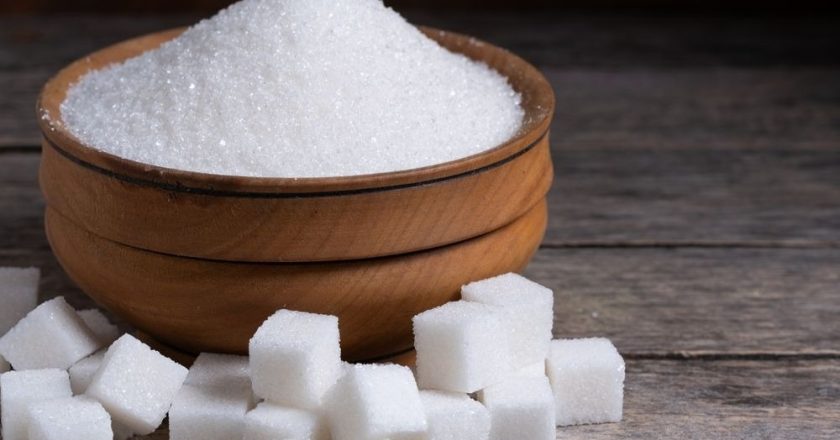
Walking into a community fitness centre in Accra recently, a bright pop-up banner stopped me cold. It read: “Juice Boxes. Not worth the squeeze. 1 box = 10 chocolate candies.” Beside it, ten chocolate kisses sat next to a small juice box. I assumed the banner was exaggerating. It wasn’t. That single juice box—the kind marketed to parents as a healthy lunchbox addition—contains about 20 grams of sugar. That’s five teaspoons. Even a tiny 4.26-ounce box of 100% juice with no added sugar packs 16 grams, or four teaspoons. For context, the World Health Organization recommends capping daily added sugar at roughly six teaspoons. One small drink gets you most of the way there. No wonder researchers have started calling fruit juice “liquid candy.” The 22-Teaspoon Reality Globally, sugar...
Food Cravings That Could Reveal What Your Body Really Needs
Nutrition & Meal Planning

Food Cravings That Could Reveal What Your Body Really Needs

Most people treat cravings like the enemy—something to fight, suppress, or ignore. But what if those sudden urges for chocolate, salty snacks, or sugary treats are actually messages from your body? Cravings often signal that something deeper is going on, whether it is low energy, missing nutrients, or simply a need for more balanced meals. Instead of seeing cravings as a weakness, learning to interpret them can turn them into a useful guide for smarter eating and better overall health. Sugar Cravings May Signal a Need for Protein That sudden desire for something sweet often sends people straight to pastries, biscuits, or soft drinks. But in many cases, the body may actually be asking for protein. Protein plays a critical role in stabilizing blood sugar levels and keeping you f...
3 Simple Eating Habits That Can Improve Digestion and Reduce Heartburn
Nutrition & Meal Planning

3 Simple Eating Habits That Can Improve Digestion and Reduce Heartburn

Eating healthy often gets reduced to a list of “good” and “bad” foods. But nutrition experts increasingly point out that how you eat can be just as important as what you eat. Simple habits at the table—how fast you chew, when you drink water, and how late you eat at night—can make the difference between smooth digestion and uncomfortable problems like heartburn. Here are three simple eating habits that can help your body digest food more efficiently and keep common stomach troubles at bay. 1. Slow Down and Chew Your Food Properly In many busy households and workplaces, meals are rushed. Food disappears from the plate almost as quickly as it arrives. But swallowing food too quickly can place unnecessary stress on the digestive system. Digestion actually begins in the mouth. Chew...
10 Affordable High-Protein Foods in Ghana for Muscle Building
Muscle Building & Strength Training

10 Affordable High-Protein Foods in Ghana for Muscle Building

You don’t need an expensive tub of imported whey protein to sculpt a physique that turns heads at Labadi Beach. While the fitness industry often pushes flashy supplements, the average Ghanaian market is actually a goldmine for high-quality muscle fuel that won't drain your mobile money wallet. If you are ready to swap the shaker bottle for local flavors, here are ten protein powerhouses you can find right now. 1. Hard-Boiled Eggs Affectionately known as the "perfect protein," eggs are the gold standard for muscle repair. They contain all nine essential amino acids and are incredibly cheap when bought by the crate. Keep a few in your bag for an instant post-workout snack. 2. Groundnuts (Peanuts) Whether roasted as a snack or blended into a rich soup, groundnuts are...
How Much Protein Do You Really Need to Lose Weight? Experts Break It Down
Nutrition & Meal Planning

How Much Protein Do You Really Need to Lose Weight? Experts Break It Down

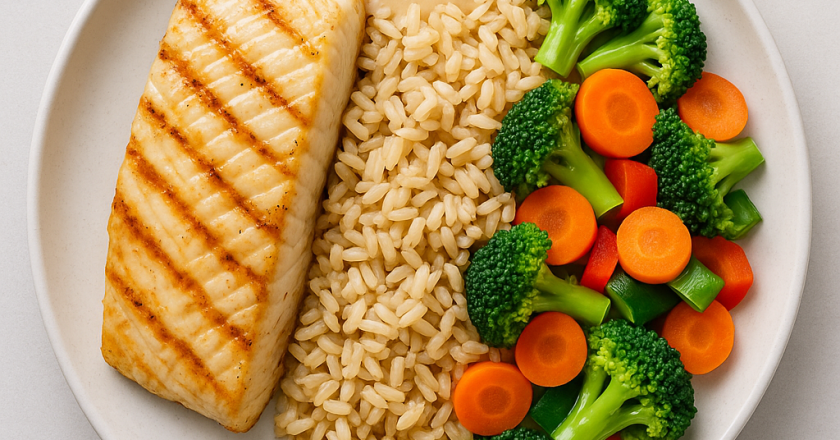
For anyone serious about sustainable weight loss, protein isn’t just another macronutrient—it’s a game-changer. A high-protein diet helps you stay fuller longer, burn more calories through digestion, preserve lean muscle, and reduce cravings, all of which support a consistent calorie deficit without feeling deprived. Recent research underscores why protein deserves center stage on your plate. Studies show that diets deriving 27–35% of daily calories from protein (roughly 1–1.6 grams per kilogram of body weight) promote greater fat loss while protecting muscle mass compared to lower-protein plans. For highly active individuals or those strength training, the International Society of Sports Nutrition suggests up to 3 g/kg can optimize fat loss and muscle retention. Calculating Your Per...