
After a long workday, the question “What’s for dinner?” can feel less like a routine decision and more like a mental hurdle. For many people balancing work, traffic, family, and digital distractions, cooking at home often loses out to the convenience of takeout.
Yet nutrition experts say the problem is rarely a lack of motivation. More often, it is a lack of structure, confidence, or realistic expectations.
The Modern Dinner Dilemma
Home cooking comes with clear benefits: it is generally more affordable, nutritionally balanced, and offers opportunities for family connection. But for beginners—or anyone returning to the kitchen after a long break—the process can feel overwhelming.
“Many people simply don’t know where to start,” say nutrition professionals. From limited cooking skills to time constraints and fear of failure, the barriers are both practical and psychological.
In fast-paced urban centres like Accra, where long working hours and busy commutes are common, these challenges are even more pronounced.
Why Cooking Becomes Stressful
One major issue is unrealistic expectations. Social media and food culture often promote elaborate meals, making everyday cooking seem more complicated than it needs to be.
Another challenge is decision fatigue. Having too many recipes saved or too many meal options can make it harder—not easier—to choose what to cook. Add in forgotten grocery items and tight schedules, and the temptation to order food becomes hard to resist.
Experts also point to a common misconception: that cooking must be done entirely from scratch to “count.” In reality, this all-or-nothing thinking can discourage consistency.
Simple Shifts That Make a Difference
The solution, experts say, lies in simplifying the process rather than overhauling it.
Start by being realistic about your current lifestyle and skill level. Cooking dinner does not have to mean preparing a complex meal. It can be as simple as combining ready-made ingredients into something fresh and satisfying.
Building a small rotation of “go-to” meals—quick recipes with minimal ingredients—can reduce daily decision-making. Think simple pasta dishes, stir-fries, or salads with protein. Keeping this list short helps avoid overwhelm.
Planning ahead also plays a crucial role. Maintaining a running shopping list on your phone ensures you always have essential ingredients on hand. Without this, even the best intentions can fall apart at the supermarket.
Smarter, Not Harder Cooking
Experts encourage home cooks to embrace shortcuts. Using pre-cooked proteins, frozen vegetables, or jarred sauces can significantly reduce preparation time while still delivering nutritious meals.
Another effective strategy is choosing versatile ingredients. Preparing a single main component—like grilled chicken or beans—can be repurposed across multiple meals, from wraps to rice dishes.
For those with packed schedules, meals that require minimal supervision, such as one-pot dishes or sheet-pan recipes, can ease the pressure. These options allow for multitasking, whether it is helping children with homework or catching up on household tasks.
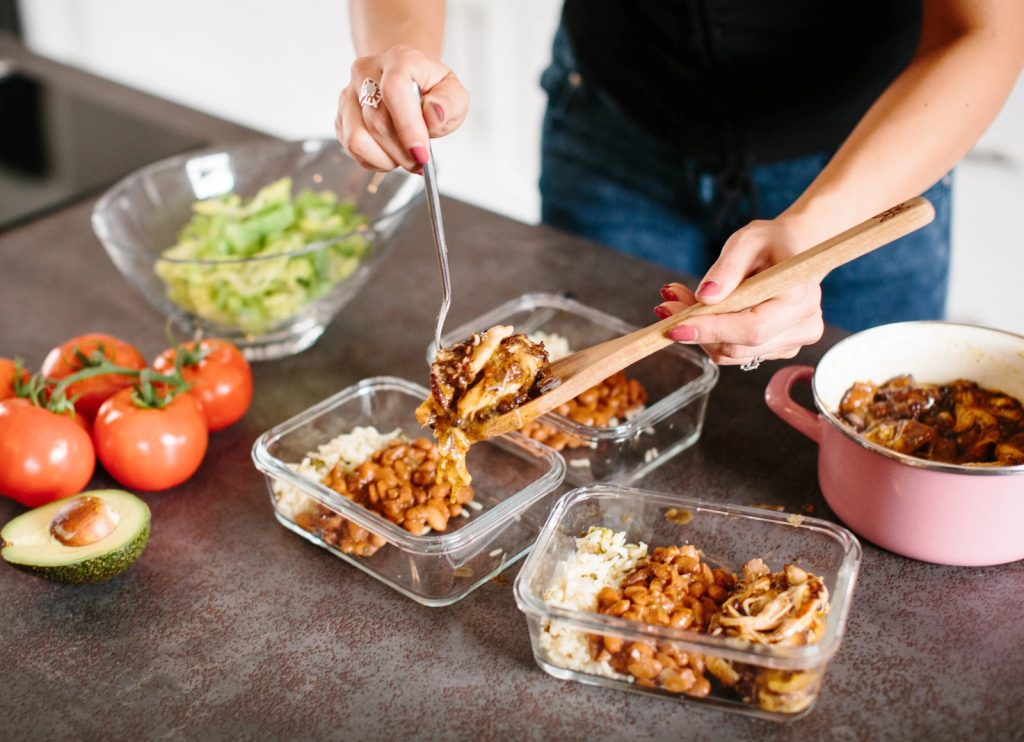
Batch cooking is another time-saving approach. Preparing larger portions and storing leftovers can reduce the number of times you need to cook during the week.
Rethinking What “Cooking” Means
Perhaps the most important mindset shift is redefining cooking itself. Assembling a meal—pairing a ready-made dish with a simple homemade side, for example—still counts.
Over time, as confidence grows, more complex recipes can be introduced. But consistency matters more than complexity.
A Sustainable Approach to Home Cooking
Cooking dinner should not feel like a daily test of skill or endurance. With the right systems in place—simple recipes, smart planning, and realistic expectations—it can become a manageable and even enjoyable part of everyday life.
In a world where convenience often wins, making home cooking easier may be the key to making it stick.