Tag: 641.5

Rethinking “Real Food”: How Everyday Ingredients Can Build Better Diets
Nutrition & Meal Planning

Rethinking “Real Food”: How Everyday Ingredients Can Build Better Diets

Somewhere along the way, “real food” became a performance. Perfectly washed vegetables, homemade sauces, everything from scratch—anything less can feel like you’re cutting corners. But for most households, especially in cities like Accra, where time and money are constantly stretched, the freezer and pantry are doing the real heavy lifting. Here’s the shift worth paying attention to: convenience foods aren’t the problem—how we use them is. Across Ghana, more people are quietly building balanced, nourishing meals from canned tomatoes, frozen vegetables, and packaged staples like oats and sardines. It’s not about lowering standards; it’s about making healthy eating sustainable. Fresh produce is ideal, yes, but it’s also expensive and perishable. A bag of frozen kontomire or mixed...
Simple Ways to Make Cooking Dinner Less Stressful After a Long Day
Nutrition & Meal Planning

Simple Ways to Make Cooking Dinner Less Stressful After a Long Day

After a long workday, the question “What’s for dinner?” can feel less like a routine decision and more like a mental hurdle. For many people balancing work, traffic, family, and digital distractions, cooking at home often loses out to the convenience of takeout. Yet nutrition experts say the problem is rarely a lack of motivation. More often, it is a lack of structure, confidence, or realistic expectations. The Modern Dinner Dilemma Home cooking comes with clear benefits: it is generally more affordable, nutritionally balanced, and offers opportunities for family connection. But for beginners—or anyone returning to the kitchen after a long break—the process can feel overwhelming. “Many people simply don’t know where to start,” say nutrition professionals. From limited cooking s...
How Many Times Is It Safe to Reheat Food? What Food Safety Experts Say
Nutrition & Meal Planning

How Many Times Is It Safe to Reheat Food? What Food Safety Experts Say

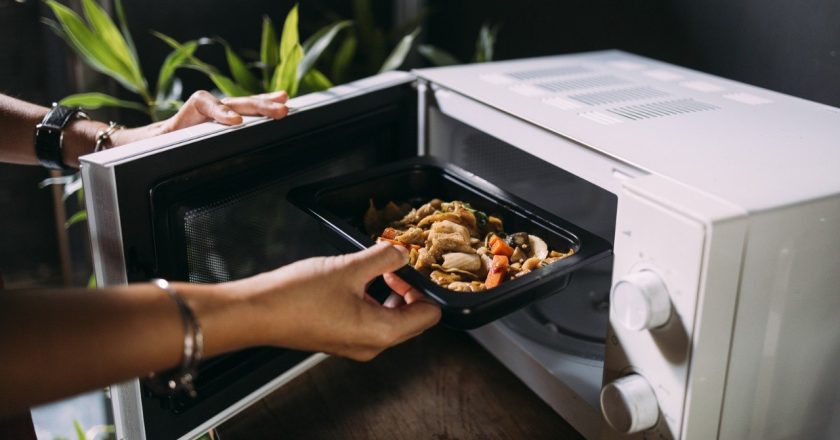
Leftovers can feel like a small victory at the end of a long day. After work, traffic, and household chores, opening the fridge to find a ready-made meal waiting can be a relief. But many people quietly wonder: how many times can you safely reheat the same food? The idea that reheating resets the safety clock is common in kitchens around the world. Some believe that as long as leftovers are heated again before they spoil, the food remains safe indefinitely. Food safety experts say that assumption can be risky. Foodborne illness is usually caused by pathogens—harmful bacteria, viruses, or parasites—that enter food during preparation or storage. According to microbiologists and food safety researchers, these microbes can appear through cross-contamination, poor hand hygiene, or contact...
Ditch the Script: How to Cook by Instinct (and Finally Trust Yourself in the Kitchen)
Nutrition & Meal Planning

Ditch the Script: How to Cook by Instinct (and Finally Trust Yourself in the Kitchen)

There is a specific panic that sets in when you are halfway through cooking a new dish, you glance back at the laptop screen, and the internet goes down. The recipe is gone. The instructions are lost. In that moment, most people grab the phone to call for takeout. But what if that moment of panic was actually the first step toward freedom? For generations, our grandmothers cooked without books. They used their eyes, their hands, and their noses. They knew that a recipe is merely a suggestion, not a contract. Learning to cook without following steps is not about being rebellious; it is about finally understanding that you already know more than you think. The secret to going "no-recipe" is not memorization; it is the willingness to make mistakes and eat them anyway. Here is how you st...
The Sunday Hour: How 60 Minutes of Prep Can Save You 10 Hours During the Week
Nutrition & Meal Planning

The Sunday Hour: How 60 Minutes of Prep Can Save You 10 Hours During the Week

The internal scream that happens at 6:00 PM on a Tuesday—when the fridge is a graveyard of wilted cilantro and the "What’s for dinner?" text remains unanswered—is a universal modern tragedy. We’ve been told that eating well requires a marathon of chopping every Sunday afternoon, but the truth is far more efficient. You don't need a four-hour cooking session that leaves your kitchen looking like a disaster zone; you just need one focused, strategic hour to reclaim your entire week. The Myth of the "Meal Prep" Most people fail at meal prepping because they try to cook entire recipes in advance. By Wednesday, that pre-assembled chicken and broccoli tastes like cardboard and regret. Instead of "pre-cooking," shift your mindset to "pre-processing." Think of your kitchen like a high-end re...
Meal Prep for People Who Hate Meal Prep
Nutrition & Meal Planning

Meal Prep for People Who Hate Meal Prep

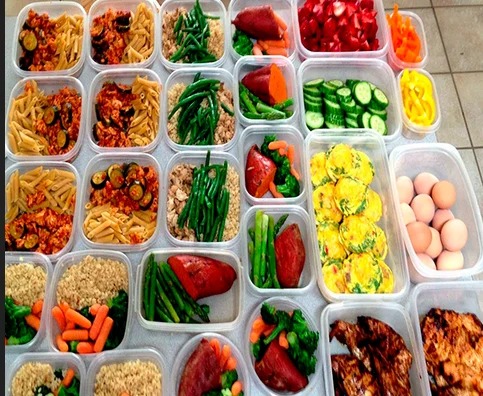
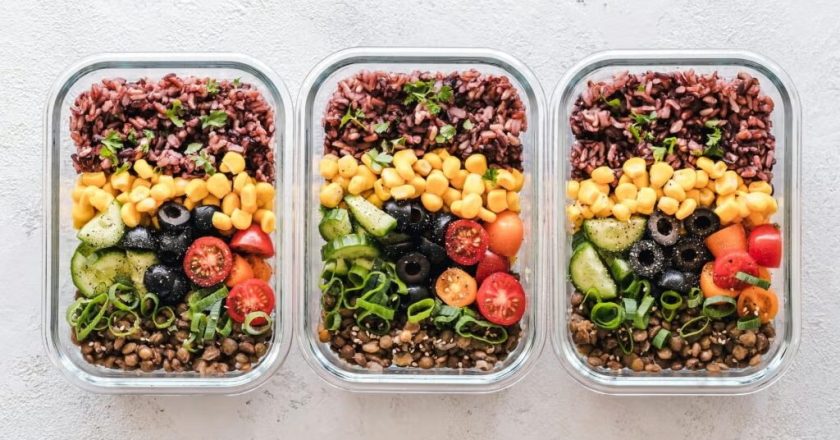
Let's be honest. The images we see online—matching containers, perfectly arranged veggies, someone smiling while they pack their fifth identical lunch—make most of us want to throw our phones across the room. You have a life. You have people to feed. You have last-minute plans and tired evenings and zero interest in spending your Sunday acting like a factory worker packaging chicken for the week. But here's the thing: you also have goals. You want to eat better without thinking about it constantly. You want to stop standing in front of the open fridge at 7 pm, hungry and frustrated, wondering what to eat. Good news: meal prep doesn't have to look like the internet says it should. Here's how to do it when you hate doing it. 1. Prep Ingredients, Not Meals The fastest way to ha...