
A man might spend hours at the gym, track his protein intake, and invest in expensive supplements—yet an invisible threat could still be sitting quietly on his kitchen counter.
Recent scientific conversations about microplastics are raising uncomfortable questions about everyday habits and male fertility. From chopping boards to takeaway containers, the plastic items woven into modern life may be doing more than polluting the oceans—they may also be finding their way into the human body.
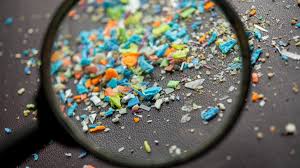
Scientists have already detected microplastic particles in unexpected places. In one study, researchers discovered plastic fragments in human reproductive tissue, including the testicles. These microscopic particles originate from everyday materials that slowly break down into tiny fragments that can be inhaled or consumed through food and drink.
The concern isn’t just about the presence of plastic itself, but about the chemicals that travel with it. Some plastics release compounds that behave like hormones in the body, potentially interfering with the endocrine system—the delicate network that regulates reproduction and other vital functions. That has led scientists to investigate links between microplastic exposure and declining sperm counts, a trend documented globally in recent decades.
For many people, the exposure begins in surprisingly ordinary places.
Take the plastic chopping board used in countless kitchens across Ghana. Each time a knife presses into the surface, tiny plastic particles can break off and mix with food. Over months and years, that exposure adds up. Hot drinks are another hidden source. Disposable paper cups often contain a thin plastic lining designed to prevent leaks. When hot tea or coffee touches that lining, small amounts of microplastic can leach into the drink.
Food storage habits also matter. Heating food in plastic containers—especially in microwaves—can release chemicals such as Bisphenol A (BPA) and Phthalates, compounds that researchers classify as endocrine disruptors. These chemicals can mimic or interfere with natural hormones, including testosterone.
None of this means modern life requires a complete rejection of convenience. But small adjustments can reduce daily exposure. Wooden or bamboo chopping boards are widely available and durable. Glass or ceramic mugs make a safer alternative to disposable cups for hot drinks. Storing leftovers in glass containers instead of plastic can also help limit chemical transfer into food.
These choices may sound minor, yet they reflect a broader shift in how people think about environmental health. What surrounds us in our homes—materials, packaging, kitchen tools—does not stay outside the body.
For men concerned about reproductive health, the message is simple: lifestyle choices extend beyond diet and exercise. Sometimes the biggest difference comes from paying attention to the things we rarely question—like the container holding tonight’s leftovers or the cup holding tomorrow morning’s tea.
Health, it turns out, may begin not just with what we eat, but with what our food touches first.