
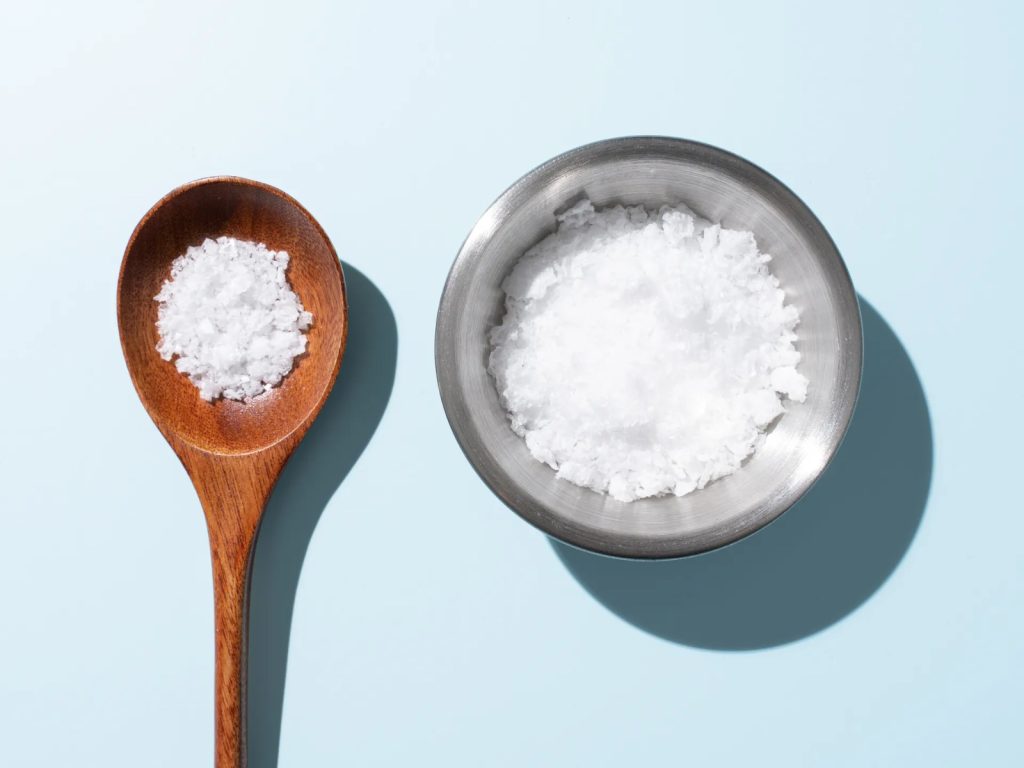
For years, the shift toward “natural” eating has shaped how many people stock their kitchens. But in the case of salt, that well-meaning switch—from iodized table salt to trendy flaky or pink varieties—may be creating an unexpected health gap.
Health professionals are raising concerns that iodine deficiency, once largely under control, could be creeping back—partly because many consumers are abandoning iodized salt without realising what they are losing.
The Rise of “Better” Salt
From gourmet kitchens in Accra to Instagram-worthy home cooking across the world, artisanal salts like flaky sea salt and Himalayan pink salt have become staples. They are praised for their texture, flavour, and perceived purity.
The assumption is simple: less processed equals healthier.
But unlike iodized table salt, these alternatives typically lack one critical nutrient—Iodine.
Why Iodine Still Matters
Iodine plays a central role in the body’s ability to produce thyroid hormones. These hormones regulate metabolism, body temperature, growth, and even brain development.
“When iodine intake is too low, the thyroid cannot function properly,” nutrition experts warn. The consequences can range from fatigue and weight gain to more serious conditions like goitre (an enlarged thyroid gland) and hypothyroidism. For pregnant women, the risks are even higher, including impaired brain development in unborn children.
Adults need about 150 micrograms of iodine daily, with higher requirements for pregnant and breastfeeding women. While iodine occurs naturally in foods like seafood, dairy, and eggs, these are not always consumed consistently—especially in plant-based diets.
That is where iodized salt has historically filled the gap.
The Quiet Role of Fortification
Since the early 20th century, iodizing salt has been one of the most effective public health strategies globally. It works because salt is widely consumed, affordable, and easy to fortify.
In fact, salt can contribute nearly half of a person’s daily iodine intake.
However, most non-iodized salts—including gourmet varieties and even the salt used in processed foods—do not contain enough iodine to meet nutritional needs.
This creates a hidden risk: people who rely heavily on restaurant meals, packaged foods, or artisanal salts may unknowingly fall short.
Modern Diets, Modern Risks
Today’s lifestyles—fast-paced, convenience-driven, and often sedentary—add another layer to the issue. Many people cook less at home, reducing their control over ingredients like iodized salt.
At the same time, health-conscious consumers are intentionally avoiding “processed” foods, including fortified salt, without recognising its nutritional value.
The result is a paradox: cleaner eating habits that may unintentionally reduce essential nutrient intake.
Finding the Balance
Experts are not calling for a complete ban on gourmet salts. Instead, they recommend a balanced approach.
Use iodized salt for everyday cooking—boiling rice, seasoning stews, or preparing soups. Then, add flaky or specialty salts at the end of cooking for texture and taste.
This way, you benefit from both flavour and nutrition without increasing overall salt intake.
Beyond salt, iodine can also be sourced from foods like seafood (especially cod), seaweed, dairy products, and fortified grains. Supplements may be necessary for certain groups, particularly pregnant and breastfeeding women, but should be taken under medical guidance.
A Small Change, Big Impact
The conversation around salt is no longer just about sodium—it is about what might be missing.
As wellness trends continue to shape food choices, health professionals are urging consumers to look beyond labels like “natural” or “unprocessed” and consider nutritional value.
Sometimes, the simplest ingredient in your kitchen—used wisely—can make the biggest difference.