
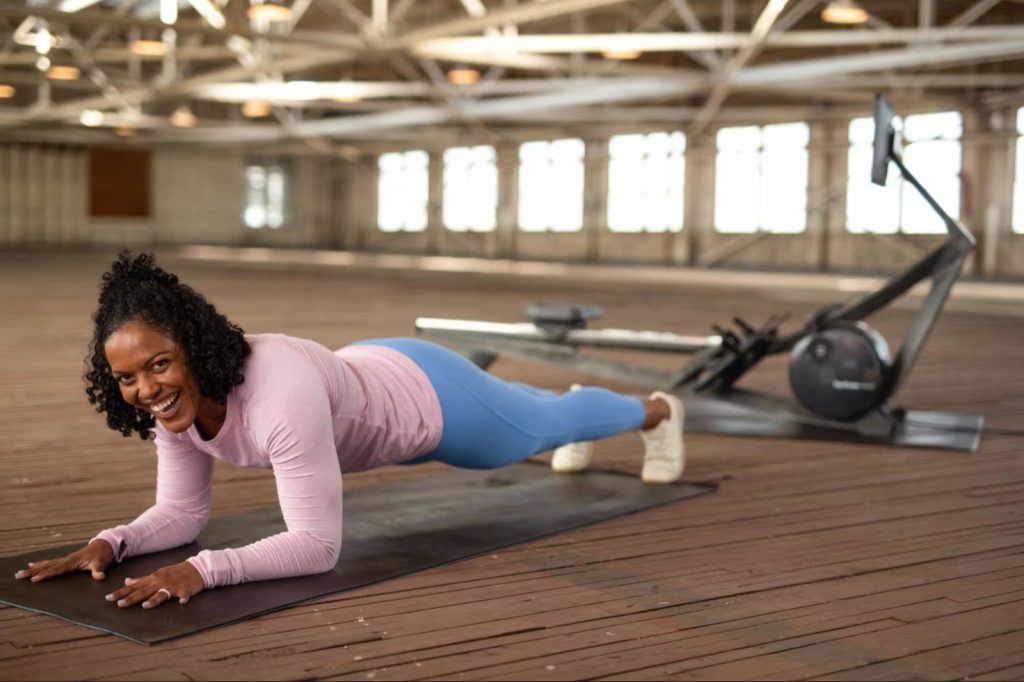
Try this: sit upright, shoulders back, chin slightly raised, feet flat, and your stomach gently pulled in. Hold that position while reading this. Within minutes, discomfort creeps in — your back tightens, your shoulders tire, and your posture begins to collapse.
That strain is not just inconvenience; it is evidence of a widespread but often overlooked issue: weak core muscles.
The Hidden Centre of Strength
Contrary to popular belief, the “core” is not just about visible abs. It is a complex network of nearly 30 muscles spanning the abdomen, back, hips, pelvis, and even the buttocks. Together, these muscles stabilise the spine, support posture, and enable the body to transfer force efficiently between the upper and lower limbs.
“When the core is strong, everything else works better,” explains fitness experts globally. “When it’s weak, the body compensates — and that’s where problems begin.”
In Ghana, as in many parts of the world, increasingly sedentary lifestyles are quietly undermining this critical muscle group.
Modern Living, Modern Strain
From long hours behind desks in Accra’s corporate offices to extended screen time on phones and laptops, daily routines are dominated by sitting. This shift has significant consequences.
Extended sitting reduces muscle activation, particularly in the core and gluteal muscles. Over time, this leads to poor posture — the familiar forward hunch seen while typing, driving, or scrolling. Without a strong core to counterbalance this position, the spine is placed under continuous strain.
The ripple effects are far-reaching. Weak core muscles can destabilise the pelvis, alter walking patterns, and even affect the knees and feet. In some cases, other muscle groups overcompensate, increasing the risk of injury.
Back pain, one of the most common complaints globally, is often linked not to sudden injury but to this gradual decline in core strength and posture.
Why It Feels So Hard
If sitting upright with an engaged core feels exhausting, that is precisely the point. These muscles are undertrained.
A strong core should support posture almost effortlessly. But when underdeveloped, even basic alignment demands conscious effort. Over time, most people revert to slouching because it feels easier — even though it places greater stress on the body.
Building a Stronger Core: Practical Steps
The good news is that improving core strength does not require a gym membership or complex routines. Consistency matters more than intensity.
Start with awareness. Regularly check your posture throughout the day — especially during work. Sitting upright, even for short periods, helps retrain the muscles.
Incorporate simple exercises into your weekly routine, ideally two to three times on non-consecutive days:
- Practice seated posture holds, engaging your abdominal and gluteal muscles.
- Alternate contracting and relaxing your glutes in controlled repetitions.
- Perform seated leg lifts to engage lower abdominal muscles.
- Try lying leg raises with proper lower-back support.
Gradual progression is key. The goal is not perfection, but steady improvement.
A Foundation for Better Living
Core strength is not just about fitness aesthetics; it is fundamental to how the body functions. A stable core protects the spine, improves posture, reduces pain, and enhances overall movement.
In a world where daily life increasingly revolves around screens and sedentary habits, strengthening the core is less of a fitness trend and more of a necessity.
So the next time you catch yourself slouching, consider it a signal — your body asking for support from the centre.