Tag: 612.3

Feeling Constantly Tired? Your Body May Be Missing This Essential Nutrient
Nutrition & Meal Planning

Feeling Constantly Tired? Your Body May Be Missing This Essential Nutrient

It often starts quietly. You forget simple things more often. Your feet tingle at night. Climbing a short flight of stairs suddenly feels exhausting. Many people blame stress, aging, or lack of sleep, never suspecting that a vitamin deficiency could be interfering with the body’s wiring system. Vitamin B12 deficiency is becoming an increasingly overlooked health issue, especially among older adults, vegetarians, people with digestive conditions, and even busy professionals living on irregular meals. Because the symptoms appear gradually, they are easy to dismiss until they begin affecting daily life in noticeable ways. The Vitamin That Keeps Nerves and Blood Healthy Vitamin B12 plays a central role in producing red blood cells and protecting nerves. When levels fall too low, the b...

The Silent Signs Your Body May Be Missing Vitamin B6
Personal Stories & Opinion

The Silent Signs Your Body May Be Missing Vitamin B6

There are days when exhaustion feels heavier than the weather. You sleep early, drink coffee, push through work, yet your body still feels strangely drained. For many people, especially busy adults juggling work, family, and stress, the assumption is often simple: “I just need rest.” But sometimes, the real issue may be sitting quietly on the dinner plate — or missing from it entirely. The Overlooked Vitamin That Keeps the Body Running Vitamin B6 rarely gets the spotlight given to iron, calcium, or vitamin C, yet it quietly powers some of the body’s most important functions. It helps convert food into energy, supports brain function, strengthens the immune system, and even influences mood and sleep. When levels begin to dip, the body often sends subtle warning signs that are ...
The Hidden Vitamin Deficiencies Leaving Many Women Exhausted
Nutrition & Meal Planning

The Hidden Vitamin Deficiencies Leaving Many Women Exhausted

A woman can eat three full meals a day and still walk around exhausted, foggy-headed, and strangely run down. Often, the problem is not how much food she is eating, but what her body is quietly missing. Across Ghana and many parts of the world, conversations around women’s health still tend to focus on weight, beauty, or fitness goals. Yet nutrition experts say the real issue for many women is hidden deficiency — low levels of essential vitamins that support energy, brain function, immunity, healthy skin, and even emotional balance. The effects can creep in slowly: brittle nails, poor concentration, frequent illness, dizziness, muscle weakness, or constant fatigue blamed on “stress.” One nutrient that continues to stand out is vitamin D. Despite Ghana’s abundant sunshine, many women ...
Why Your Metabolism Isn’t the Problem Your Muscle Might Be
Muscle Building & Strength Training

Why Your Metabolism Isn’t the Problem Your Muscle Might Be

At some point, almost everyone blames their metabolism. It’s the quiet culprit behind stubborn weight, low energy, or that creeping softness around the waist. But what if the real story isn’t about a “slow metabolism” at all—what if it’s about disappearing muscle? From your 30s onward, your body begins to shed muscle gradually, a process so subtle you barely notice—until everyday tasks feel heavier and your jeans fit differently. Muscle isn’t just about strength or appearance; it’s metabolically active tissue. In simple terms, the more muscle you carry, the more energy your body uses, even at rest. Lose it, and your daily calorie burn quietly dips. That’s where strength training steps in—not as a bodybuilder’s ritual, but as a practical tool for everyday health. In cities like ...
Why Late Dinners Could Be Draining Your Energy
Nutrition & Meal Planning

Why Late Dinners Could Be Draining Your Energy

What if your constant fatigue has less to do with what’s on your plate—and more to do with the clock? That uncomfortable, heavy feeling after late dinners might not be about overeating, but mistiming. Across cities like Accra, daily routines are shifting. Long work hours, traffic, and social schedules often push the main meal to late evening—sometimes as late as 9 p.m. or beyond. It feels normal. But the body doesn’t always agree. There’s growing interest in aligning eating patterns with the body’s internal rhythm—often referred to as circadian nutrition. The idea is simple: your metabolism isn’t constant throughout the day. It’s more active earlier, when your body is naturally alert, and slows down as evening approaches. So while that late-night bowl of rice or banku might satisfy h...
The Hidden Link Between Anxiety and Bloating
Weight Loss & Fat Burning

The Hidden Link Between Anxiety and Bloating

You can eat the same meal you always do—same portion, same ingredients—and still end the day feeling uncomfortably bloated. The difference isn’t on your plate. It’s in your head. There’s a quiet conversation happening inside the body, one most of us don’t notice until something goes wrong. Stress, whether it’s a looming deadline or a difficult conversation, doesn’t just stay in the mind. It travels. It tightens muscles, shifts breathing, and, crucially, slows digestion. When the body slips into that tense, alert state, it treats food as a low priority. The result? Meals sit longer in the gut, fermentation increases, and that heavy, swollen feeling creeps in. In busy cities like Accra, where lunch is often squeezed between meetings or eaten in traffic, this pattern is easy to fall...
Why You’re Still Hungry After Eating and What Your Body Is Trying to Tell You
Nutrition & Meal Planning

Why You’re Still Hungry After Eating and What Your Body Is Trying to Tell You

You finish a full plate of rice, stew, and chicken—yet somehow, an hour later, you’re back in the kitchen, searching for something else. It’s a familiar feeling for many people, and it often leads to one frustrating question: Why am I still hungry? The answer isn’t always about eating more. In fact, persistent hunger after meals is increasingly being linked to how we eat, not just how much. Across Ghana’s busy cities, where quick lunches and late dinners are common, eating has become rushed and, at times, unbalanced. A bowl of plain carbohydrates—rice, banku, or fufu—without enough protein, healthy fats, or fibre may fill the stomach temporarily, but it doesn’t always satisfy the body. Think of fullness as a slow conversation between your gut and your brain. That conversation tak...
Why Experts Say Your Favourite Sea Salt May Be Missing a Crucial Nutrient
Nutrition & Meal Planning

Why Experts Say Your Favourite Sea Salt May Be Missing a Crucial Nutrient

For years, the shift toward “natural” eating has shaped how many people stock their kitchens. But in the case of salt, that well-meaning switch—from iodized table salt to trendy flaky or pink varieties—may be creating an unexpected health gap. Health professionals are raising concerns that iodine deficiency, once largely under control, could be creeping back—partly because many consumers are abandoning iodized salt without realising what they are losing. The Rise of “Better” Salt From gourmet kitchens in Accra to Instagram-worthy home cooking across the world, artisanal salts like flaky sea salt and Himalayan pink salt have become staples. They are praised for their texture, flavour, and perceived purity. The assumption is simple: less processed equals healthier. But unlike ...
Nutrition Experts Highlight 14 Foods That Boost Antioxidants and Fight Inflammation
Nutrition & Meal Planning

Nutrition Experts Highlight 14 Foods That Boost Antioxidants and Fight Inflammation

In an age where stress, sedentary work, and ultra-processed foods increasingly shape modern lifestyles, nutrition experts are placing renewed attention on a powerful group of compounds found in everyday foods: antioxidants. These naturally occurring substances help protect the body’s cells from free radicals—unstable molecules that contribute to oxidative stress, a process linked to ageing and chronic illnesses such as heart disease, diabetes, and certain cancers. While the body produces some antioxidants naturally, scientists say diet plays a crucial role in maintaining healthy levels. Research continues to show that eating a wide variety of antioxidant-rich foods can strengthen the body’s natural defense systems and support long-term health. Why Antioxidants Matter Free radic...
8 Science-Backed Health Benefits of Nuts, According to Nutrition Experts
Nutrition & Meal Planning

8 Science-Backed Health Benefits of Nuts, According to Nutrition Experts

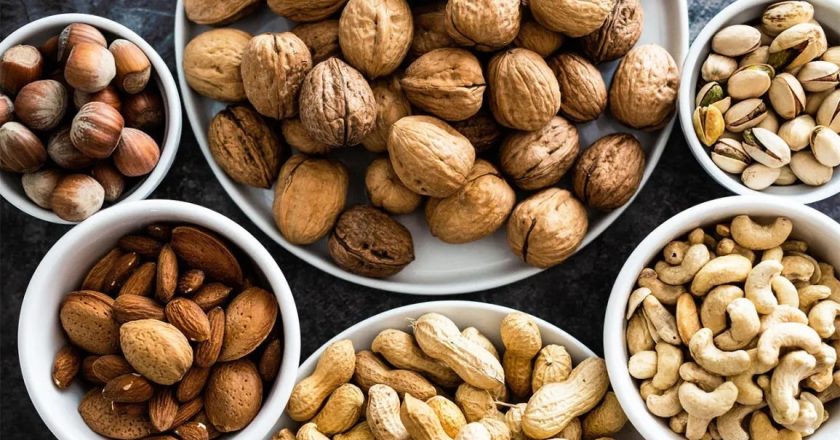
For years, nuts carried a complicated reputation. Their high fat and calorie content led many people to avoid them, particularly those trying to lose weight. But modern nutrition science is increasingly challenging that perception. Today, researchers and health experts widely recognise nuts as one of the most nutrient-dense snacks available — offering benefits that extend far beyond simple hunger relief. Whether eaten on their own, sprinkled over salads, or blended into spreads, nuts are emerging as a powerful addition to balanced diets around the world. A Small Food Packed With Big Nutrition Nuts are essentially edible seed kernels encased in a hard shell. Popular varieties include almonds, walnuts, cashews, pistachios, pecans, hazelnuts, macadamia nuts and Brazil nuts. Thoug...