
A woman can eat three full meals a day and still walk around exhausted, foggy-headed, and strangely run down. Often, the problem is not how much food she is eating, but what her body is quietly missing.
Across Ghana and many parts of the world, conversations around women’s health still tend to focus on weight, beauty, or fitness goals. Yet nutrition experts say the real issue for many women is hidden deficiency — low levels of essential vitamins that support energy, brain function, immunity, healthy skin, and even emotional balance. The effects can creep in slowly: brittle nails, poor concentration, frequent illness, dizziness, muscle weakness, or constant fatigue blamed on “stress.”
One nutrient that continues to stand out is vitamin D. Despite Ghana’s abundant sunshine, many women spend long hours indoors at offices, shops, salons, or behind screens, missing regular sunlight exposure.
Vitamin D plays a major role in bone strength because it helps the body absorb calcium. Without enough of it, bones gradually weaken over time, increasing the risk of fractures later in life. Some studies also link low vitamin D levels to low mood and fatigue.
Then there are the B vitamins, the quiet engines behind the body’s daily energy production. Vitamin B12 and folate help the body make healthy red blood cells, which carry oxygen around the body.
When levels drop, women may feel permanently drained no matter how much rest they get. This is especially important for vegetarians, older adults, and pregnant women, whose nutritional needs are often higher. Foods like eggs, fish, beans, leafy vegetables, and dairy products can help restore balance naturally.
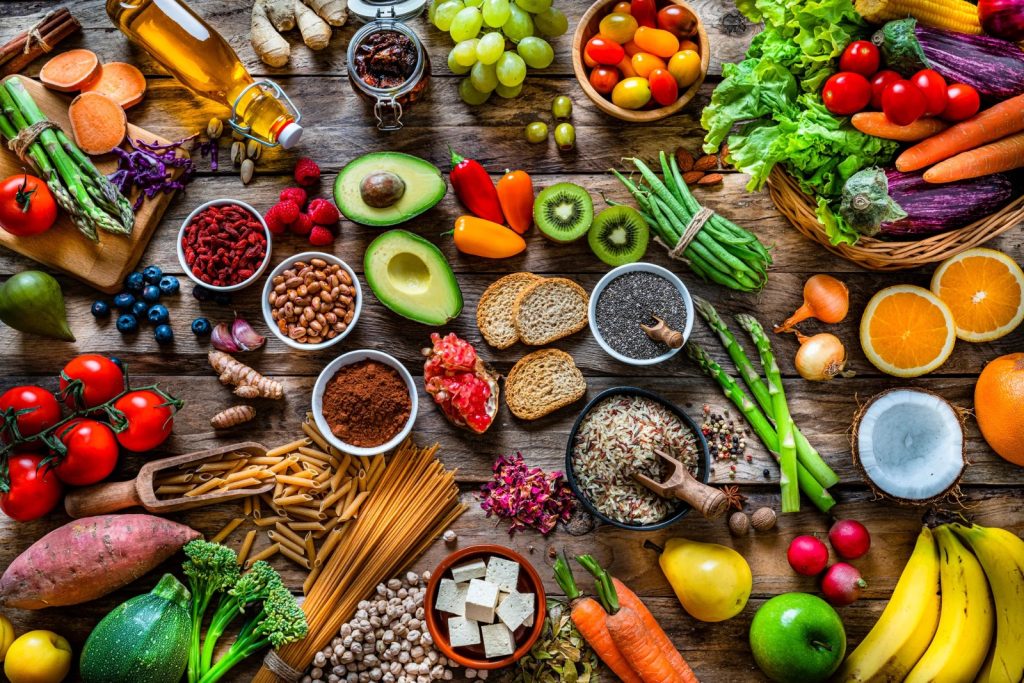
Antioxidant-rich vitamins such as C and E also matter more than many people realize. Vitamin C supports wound healing and immunity, while vitamin E helps protect cells from damage linked to aging. In Ghanaian kitchens, ingredients like kontomire, tomatoes, oranges, garden eggs, carrots, and peppers already provide many of these nutrients — proof that healthy eating does not always require expensive imported foods or trendy supplements.
That is where the conversation around women’s wellness is beginning to shift. Instead of chasing miracle pills or restrictive diets, more women are paying attention to nourishment in a fuller sense: stronger bones, sharper minds, steadier energy, and long-term health that starts quietly on the plate every day.