
For years, nuts carried a complicated reputation. Their high fat and calorie content led many people to avoid them, particularly those trying to lose weight. But modern nutrition science is increasingly challenging that perception.
Today, researchers and health experts widely recognise nuts as one of the most nutrient-dense snacks available — offering benefits that extend far beyond simple hunger relief.
Whether eaten on their own, sprinkled over salads, or blended into spreads, nuts are emerging as a powerful addition to balanced diets around the world.
A Small Food Packed With Big Nutrition
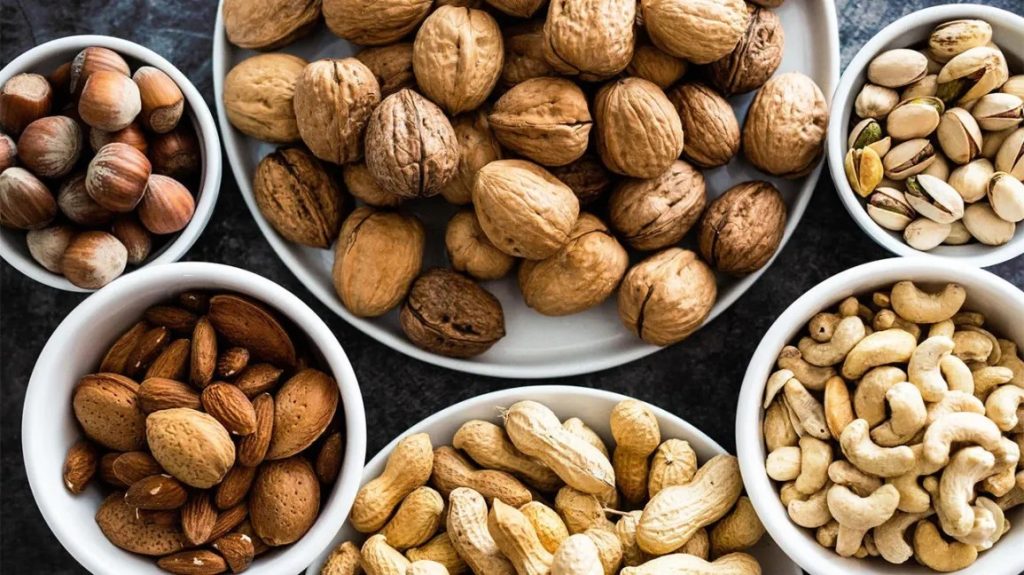
Nuts are essentially edible seed kernels encased in a hard shell. Popular varieties include almonds, walnuts, cashews, pistachios, pecans, hazelnuts, macadamia nuts and Brazil nuts. Though peanuts are technically legumes, they are often grouped with nuts because of their similar nutritional profile.
A typical one-ounce (28-gram) serving of mixed nuts delivers an impressive combination of nutrients, including healthy fats, protein, fiber, vitamin E, magnesium, copper and manganese. These nutrients play important roles in heart health, immune function and energy production.
Many nuts are also relatively low in carbohydrates, making them compatible with a range of eating patterns, from Mediterranean-style diets to vegetarian and moderate low-carb diets.
Rich in Antioxidants That Protect Cells
Beyond their vitamin and mineral content, nuts contain powerful antioxidants — compounds that help neutralise unstable molecules known as free radicals.
Free radicals contribute to oxidative stress, a process linked to ageing and chronic diseases. Research suggests the polyphenols in nuts can help protect cells and reduce damage to LDL cholesterol, often referred to as “bad” cholesterol.
Some studies have even found that walnuts have particularly strong antioxidant activity, helping reduce oxidative damage shortly after consumption.
Surprising Benefits for Weight Management
Despite being calorie-dense, nuts may actually support healthy weight management.
Several studies have shown that people who regularly include nuts in their diets do not gain excess weight and may even lose more abdominal fat compared with those who avoid them.
One explanation is that nuts are highly filling due to their combination of protein, fiber and healthy fats. They may also contain calories that the body does not fully absorb because some fat remains trapped within the nut’s fibrous structure during digestion.
For individuals working long office hours or relying on convenience foods, a small portion of nuts can provide sustained energy and reduce the temptation to snack on highly processed alternatives.
Supporting Heart and Metabolic Health
Perhaps the most well-documented benefits of nuts relate to heart health.
Studies show that regular nut consumption can help lower LDL (“bad”) cholesterol and triglyceride levels while increasing HDL (“good”) cholesterol. These effects are largely attributed to their healthy monounsaturated and polyunsaturated fats.
Nuts may also support people living with type 2 diabetes and metabolic syndrome, conditions that are increasingly common worldwide. Because nuts are low in carbohydrates, they tend to have minimal impact on blood sugar levels while providing nutrients that support metabolic health.
Some research has also linked nut consumption to reduced inflammation, improved blood vessel function and better gut health due to their fiber content.
A Versatile Snack for Modern Lifestyles
One reason nuts remain popular is their convenience. They require no preparation, travel easily and can be stored at room temperature for extended periods.
They can be eaten raw, lightly roasted, blended into nut butters or added to meals such as salads, yogurt bowls and breakfast cereals. Nutrition experts often recommend choosing unsalted or lightly roasted varieties to maximise health benefits.
As with many healthy foods, moderation is key. A small handful per day is generally enough to gain their nutritional advantages without excessive calorie intake.
The Bottom Line
Nuts may be small, but their nutritional impact is significant. Rich in healthy fats, fiber, antioxidants and essential minerals, they support heart health, metabolic balance and long-lasting energy.
In a world where quick snacks often come with added sugars and refined ingredients, nuts offer a simple, natural alternative — one that fits easily into modern diets while delivering meaningful health benefits.