
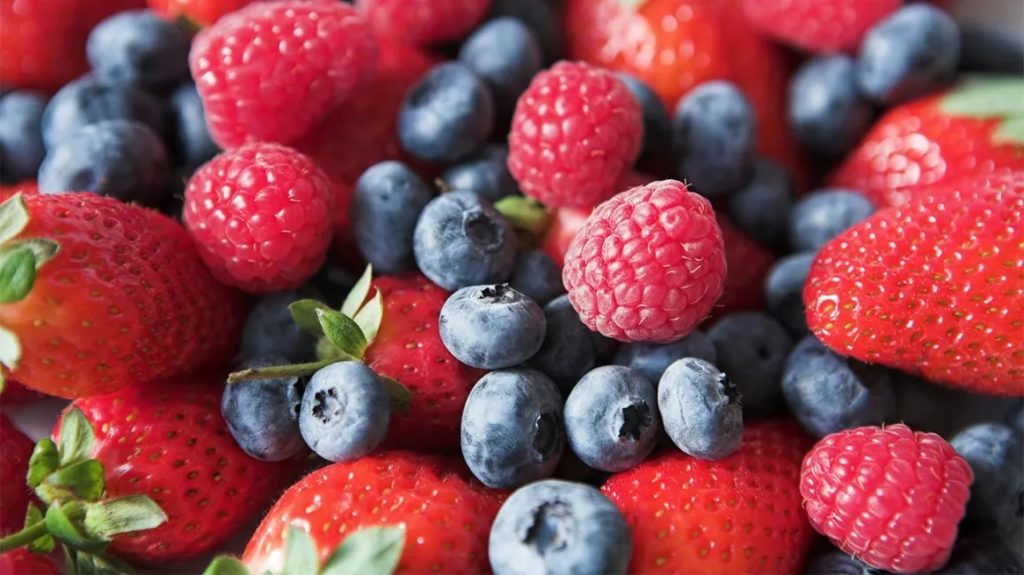
In the world of nutrition, some foods consistently rise above the rest. Berries — small, colourful, and naturally sweet — have earned a reputation among researchers and nutrition experts as one of the most nutrient-packed foods available. From supporting heart health to helping regulate blood sugar, these fruits offer a surprising range of benefits that go far beyond their size.
For people juggling busy workdays, long hours in front of screens and increasingly sedentary lifestyles, berries may provide a simple and convenient way to boost daily nutrition without dramatically changing eating habits.
Tiny Fruits With Powerful Nutritional Value
Berries such as strawberries, blueberries, raspberries and blackberries are rich in vitamins, fiber, antioxidants and plant compounds that support overall health. Despite their impressive nutritional profile, they are relatively low in calories, making them a popular choice for balanced diets.
One of their most important features is their high concentration of antioxidants, including anthocyanins, ellagic acid and resveratrol. These compounds help neutralize unstable molecules known as free radicals, which can damage cells and contribute to chronic diseases when they accumulate in the body.
Studies have found that berries rank among the fruits with the highest antioxidant activity, helping reduce oxidative stress — a factor linked to aging, inflammation and many long-term health conditions.
Supporting Blood Sugar and Metabolic Health
Beyond their antioxidant content, berries may also play an important role in blood sugar regulation.
Research suggests that eating berries alongside carbohydrate-rich meals can reduce spikes in blood sugar and insulin levels. In one study involving healthy women, consuming strawberries or mixed berries with bread significantly reduced insulin response compared with eating bread alone.
Other studies involving individuals with insulin resistance found that regularly consuming blueberries improved insulin sensitivity, an important factor in preventing type 2 diabetes.
This makes berries particularly appealing in modern diets where refined carbohydrates and sugary snacks are common.
Fiber That Supports Digestion and Weight Management
Another standout feature of berries is their high fiber content. Fiber helps slow digestion, stabilize blood sugar and increase feelings of fullness after eating.
For people trying to maintain a healthy weight, this can be particularly beneficial. Fiber-rich foods help reduce hunger and may lower overall calorie intake throughout the day.
Raspberries and blackberries are especially rich in fiber, while strawberries and blueberries also provide significant amounts relative to their calorie content.
Heart, Skin and Anti-Inflammatory Benefits
Emerging research suggests that berries may also support cardiovascular health. Studies have shown that regular berry consumption can help lower LDL (“bad”) cholesterol and reduce the oxidation of cholesterol particles, which is a key step in the development of heart disease.
Berries may also benefit the body’s blood vessels, improving the function of endothelial cells that regulate blood flow and blood pressure.
Their antioxidant compounds may also support skin health. Ellagic acid, found in several berries, has been shown in laboratory studies to help protect collagen — a protein responsible for maintaining skin elasticity and firmness.
In addition, the anti-inflammatory properties of berries may help reduce chronic inflammation, which is linked to conditions such as obesity, diabetes and heart disease.
A Versatile Food for Everyday Diets
One of the biggest advantages of berries is how easily they fit into everyday meals.
They can be eaten on their own as a snack, added to yogurt, oatmeal, smoothies or salads, or used in healthier desserts. Because they are relatively low in carbohydrates compared with many fruits, berries can also be included in diets such as Mediterranean, vegetarian or moderate low-carb eating plans.
Even when fresh berries are out of season, frozen varieties retain most of their nutritional value and can be used just as easily.
A Small Change With Big Health Benefits
Nutrition experts often emphasize that improving health does not always require drastic changes. Sometimes, small habits make the biggest difference.
Adding berries to breakfast, snacks or desserts can increase antioxidant intake, support heart health and improve overall diet quality. In a world where convenience foods dominate, these small fruits offer a simple, delicious way to strengthen everyday nutrition.