
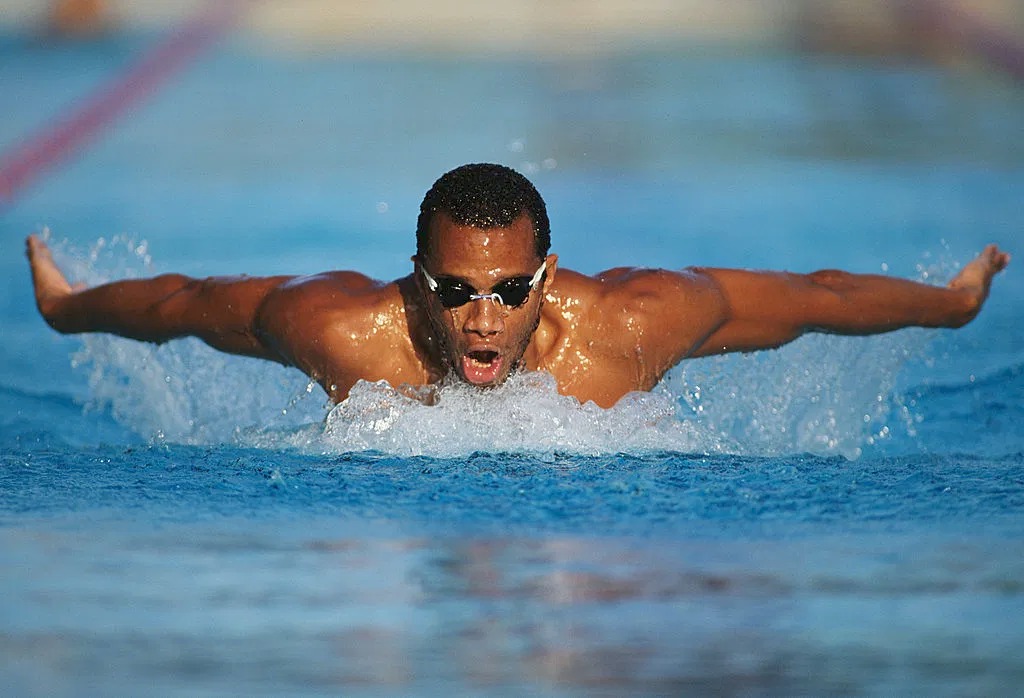
In the final of the men’s 200-metre butterfly at the 2008 Beijing Olympics, something went wrong for swimmer Michael Phelps. Midway through the race, water began seeping into his goggles. Within seconds, his vision was completely blurred. By the final lap, he couldn’t see the pool markings, the approaching wall, or even his competitors.
Yet he kept swimming—and won gold in world-record time.
For sports psychologists and coaches, the moment remains a powerful illustration of the role habits play in performance and everyday life. When the unexpected happens and thinking clearly becomes difficult, the brain often defaults to routines that have been practiced repeatedly.
Phelps’ coach, Bob Bowman, had spent years building those routines into his training. In preparation for high-pressure races, Bowman sometimes turned off the pool lights or asked Phelps to swim wearing blacked-out goggles. The purpose was simple: train the athlete to rely on ingrained patterns rather than sight.
Phelps also rehearsed races mentally every night—visualising the perfect swim stroke by stroke, lap by lap. By the time the Olympic final arrived, the sequence of movements had been repeated so often that when his goggles failed, instinct took over.
Health researchers say this principle extends far beyond elite sport.
Studies on behavioural psychology suggest that habits shape much of daily life—from how people eat and exercise to how they manage stress or productivity. Some habits even act as catalysts for wider change, influencing other behaviours in unexpected ways.
These are often referred to as “keystone habits,” a concept popularised by writers and behavioural scientists studying human performance. The idea is that certain routines can trigger a chain reaction of improvements across multiple areas of life.
For example, simple behaviours such as exercising regularly, eating meals with family, or maintaining a consistent sleep schedule have been linked to better time management, improved emotional control and stronger self-discipline.
Research from behavioural experts such as James Prochaska of the University of Rhode Island suggests that exercise, in particular, often acts as a keystone habit.
“Exercise spills over,” Prochaska has noted in research discussions on behaviour change. In practical terms, people who begin exercising regularly often report improvements in other areas: healthier eating, better sleep, and greater focus at work.
For many adults navigating busy schedules—especially those balancing office work, commuting and digital distractions—this insight offers a more manageable path to personal improvement.
Rather than attempting to overhaul every aspect of life at once, experts recommend focusing on one meaningful routine.
A short daily walk, a regular bedtime, or even preparing meals at home a few times each week can gradually build momentum. Once a habit becomes automatic, it requires less mental effort to maintain, freeing energy to tackle other goals.
Fitness coaches say this approach is particularly useful for people trying to adopt healthier lifestyles. Attempting to change everything at once—exercise, diet, sleep and productivity—can quickly become overwhelming. Starting with one manageable habit often proves more sustainable.
Over time, repetition turns actions into routines, and routines into identity.
In elite sport, that process can produce Olympic champions. But the same principle works in everyday life—helping people build resilience, consistency and healthier routines.
Phelps’ blind swim in Beijing remains a dramatic reminder: when pressure rises and circumstances change, it’s our habits that often carry us through.
And sometimes, the path to better health begins with just one small routine repeated every day.