
As children, many of us could sit cross-legged on the floor, twist, stretch, and jump back up without a second thought. Flexibility was effortless. But fast forward a few decades and the story often changes: stiff joints, tight muscles and that familiar struggle to stand up after sitting too long.
Health experts say this gradual loss of mobility is one of the most overlooked issues in modern fitness—and it may be contributing to the aches and pains many adults experience today.
While conversations about fitness often focus on weight loss, running, or strength training, flexibility is frequently ignored. Yet specialists say it is one of the key pillars of physical health, playing a major role in how comfortably people move through everyday life.
According to guidelines from the American College of Sports Medicine, physical fitness is built on five core components: cardiovascular endurance, muscular strength, muscular endurance, body composition and flexibility. While many people work on the first three in gyms or exercise classes, flexibility training is often left out entirely.
The consequences can become noticeable over time. Limited flexibility can affect posture, balance and joint mobility, making simple activities—such as bending down, reaching overhead or getting up from a chair—more difficult than they should be.
In some cases, it may also contribute to chronic discomfort. Conditions such as lower back pain, joint stiffness and muscle cramps are commonly associated with reduced mobility. Many people respond to these issues by moving less to avoid pain, but specialists warn that inactivity can actually make the problem worse.
Instead, gentle movement and targeted stretching may help maintain joint function and reduce stiffness.
Flexibility, experts explain, depends on several factors. Joint structure—largely determined by genetics—plays a role, but two other elements can be improved through training: muscle elasticity and the body’s nervous system response to stretching.
Flexibility is also joint-specific, meaning improvement in one area does not automatically translate to the entire body. To maintain balanced mobility, major joints such as the hips, shoulders, knees, and spine all need regular attention.
Fitness professionals generally divide flexibility into two types. Dynamic flexibility refers to the ability to move joints through their full range of motion during activities such as walking, running, or swinging a golf club. Static flexibility, on the other hand, involves holding a stretch at the end of a joint’s range of motion—often for 20 to 30 seconds—to gradually lengthen muscles.
For everyday training, static stretching is typically recommended to improve overall flexibility.
Interestingly, one long-standing belief about stretching has been challenged by recent research. For years, athletes and students were taught to stretch before physical activity. But studies suggest that stretching cold muscles may offer little benefit and could even increase injury risk in some situations.
Instead, experts advise warming up the body first with light activity—such as brisk walking or cycling for about 10 minutes—before performing stretching exercises.
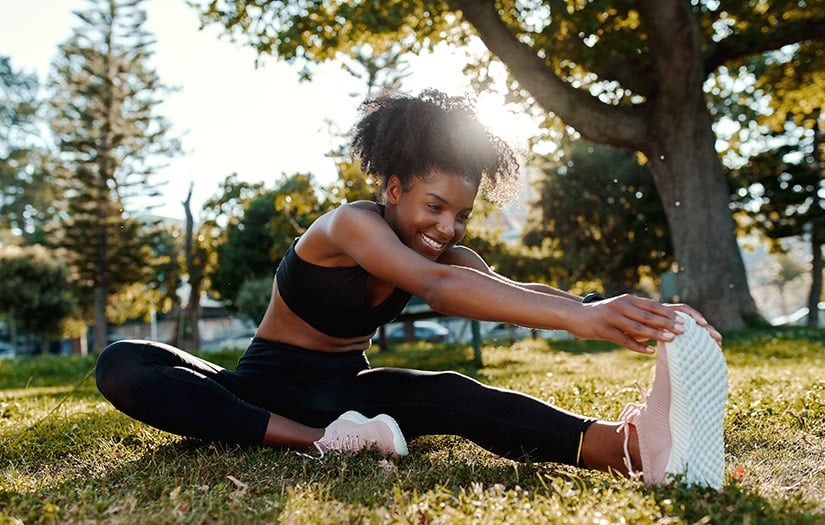
For beginners, a simple flexibility routine might include stretching major muscle groups three times per week, holding each stretch for 20 to 30 seconds and repeating it two or three times. The goal is to stretch until mild tension is felt, but never pain.
Ideally, flexibility exercises can be done daily, particularly for people who spend long hours seated at desks or working on computers—a common reality in many modern workplaces.
The benefits extend beyond physical comfort. Improved flexibility can support better posture, reduce injury risk, relieve muscle tension and promote relaxation.
In a world where many people prioritise cardio workouts and strength training, flexibility remains the quiet partner of overall fitness.
But as specialists increasingly point out, staying flexible may be one of the simplest ways to keep the body moving smoothly—and pain-free—throughout life.