
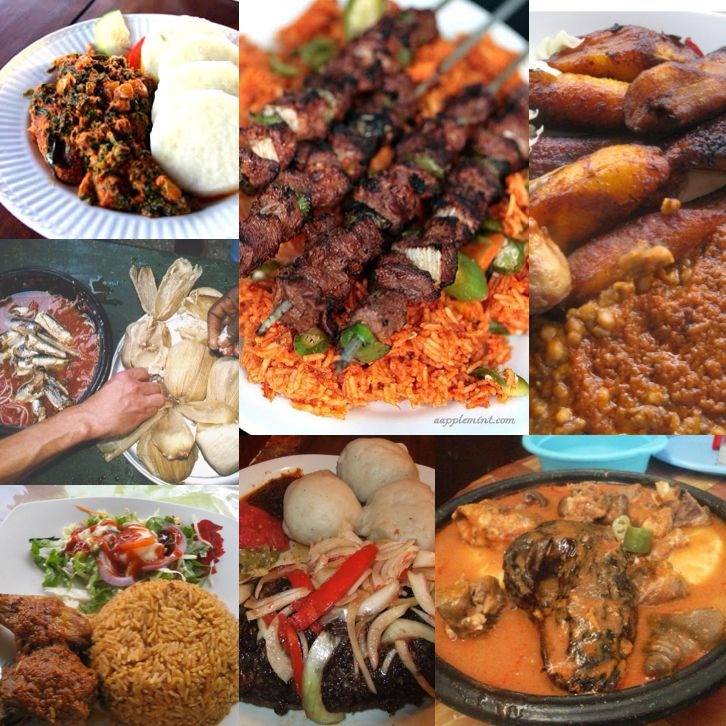
One of the biggest myths in the fitness world is that you have to abandon your cultural foods to get in shape. Scroll through any international fitness blog, and you’ll see an endless parade of bland chicken, broccoli, and brown rice. But here in Ghana, food is life. It is the bond of a family sharing a bowl of fufu on a Sunday, the quick satisfaction of a plate of Jollof on a Friday night, and the comforting sourness of banku with pepper and fish on a rainy day.
The good news? You do not have to break up with these beloved dishes to reach your fitness goals. You just have to change the way you look at them. Whether your goal is weight loss, muscle maintenance, or simply better health, these four points will teach you how to keep your Ghanaian favorites on the menu.
1. Master the “Healthy Plate Method” for Perfect Portions
The problem with Ghanaian staples isn’t the food itself; it is the ratio in which we eat them. Traditionally, a meal of banku and okro stew might be 80% banku (carbohydrate) and 20% stew (protein and fat). For a diet plan focused on health and body composition, this ratio needs to be adjusted.
The “Healthy Plate Method” is a simple, visual tool used by nutritionists worldwide, and it adapts perfectly to our local cuisine. You do not need to weigh your food on a scale; just use your plate or bowl as a guide.
The Formula: Divide your plate (or bowl) into three sections: Half (½) of the plate: Non-starchy Vegetables. This is where we often fall short. In the Ghanaian context, this means loading up on your stew’s “roughage.” Think of a big side of fresh salad (tomatoes, onions, cabbage), or a heap of Aleefu (spinach) , boiled Kontomire, or extra okro in your stew to increase the vegetable bulk.
One Quarter (¼) of the plate: Lean Protein. This is your grilled tilapia, your stew chicken (skin removed), your boiled eggs, or your agushie and bean stew.
One Quarter (¼) of the plate: Your Staple Carbohydrate. This is your Banku, Fufu, Jollof, or Kenkey.
Practical Application: For Fufu with Light Soup: Instead of a bowl that is mostly fufu, prepare a bowl that is rich with soup and meat. Scoop smaller pieces of fufu, and ensure you are eating all the vegetables floating in the soup (like carrots, garden eggs, or peppers) and every piece of the protein.
For Banku with Okro Stew: Okro stew is inherently viscous and full of vegetables. Make your stew “draw” even more by adding extra chopped okro and aleefu. This increases the vegetable portion, allowing you to feel full and satisfied with a smaller, fist-sized portion of banku.
2. Time Your Staples Around Your Activity Level
Not all carbohydrates are created equal, and more importantly, your body does not need the same type of energy when you are sitting at a desk as it does when you are about to hit the gym. This is the concept of nutrient timing.
In Ghana, we have a rich variety of staples that affect our blood sugar and energy levels at different speeds. By matching the right staple to the right time of day, you can control your energy levels, prevent fat storage, and fuel your workouts effectively.
Fast-Acting Carbs (High GI): These digest quickly and spike your blood sugar. They are perfect for post-workout when your muscles are depleted and need immediate fuel to recover.
Examples: Jollof Rice, White Rice, Ripe Plantain (Boredi).
When to Eat: Within two hours after a strength training or high-intensity workout.
Slow-Acting Carbs (Low GI): These digest slowly, providing a steady stream of energy for hours. They keep you full and prevent cravings. They are perfect for lunch or on rest days.
Examples: Banku, Kenkey, Waakye (with all the fiber-rich additions like shito and gari), Boiled Yam.
When to Eat: For lunch to sustain you through the afternoon, or on days you are not working out.
Practical Application: If you have an evening weights session, do not be afraid to have a moderate portion of Jollof rice with your chicken after the gym. You will replenish your energy stores without the carbs being easily stored as fat.
If you have a sedentary day at work, opt for Banku with grilled fish. The fermented corn and cassava in banku digest slowly, keeping your blood sugar stable and your mind focused.
3. Practice the “Shito Swap” for Smarter Sauce Choices
Often, it is not the staple that derails a diet; it is the “hidden calories” in the sauces and oils. A plate of boiled yam or rice is relatively low in calories on its own. However, when it is drenched in a heavy palm oil-based stew or a creamy sauce, the calorie count can double or triple.
The solution isnt to eat dry, bland food. It is to be strategic about your sauce choices. This is where Shito (Ghanaian black pepper sauce) becomes your best friend.
Why Shito? Traditional Shito is made with vegetable oil, onions, peppers, and dried fish or seafood. While it does contain oil, it is generally more concentrated in flavor than a stew. A little goes a long way. Furthermore, the dried fish and shrimp add a hit of protein and umami that creamy sauces lack, making it a more nutritionally dense choice.
The Problem: A large ladle of heavy groundnut soup or palm nut soup on your fufu adds significant saturated fat and calories.
The Solution: For a lighter meal, opt for a simple light soup with your fufu, or use a moderate amount of Shito as a dip for your boiled yam or kenkey.
For Rice: Instead of cooking your rice in a heavy, oil-laden Jollof style every time, cook plain boiled rice and top it with a tablespoon of Shito, a side of grilled fish, and fresh vegetables. You get the same spicy, savory kick without the extra oil from the fried rice base.
4. Increase the “Protein Density” of Your Traditional Meals
A balanced diet plan requires adequate protein to keep you full (satiety) and to preserve or build muscle. Traditional Ghanaian meals are often carbohydrate-heavy and can be light on protein. The fix is not to remove the staple, but to intentionally boost the protein component of the meal.
By increasing the protein, you slow down the digestion of the entire meal, which prevents blood sugar spikes and keeps you feeling fuller for longer, reducing the urge to snack on unhealthy options later.
How to Boost Protein: Double the Protein Serving. If a recipe calls for one piece of fish, add two. If you are making stew, use a whole chicken breast (diced) instead of just a few wings or backs. Add Eggs. Eggs are a complete protein and are relatively cheap. Slice a hard-boiled egg into your Jollof rice, add a fried egg to your gari soakings, or mix scrambled eggs into your waakye.
Use Legumes. If you cannot afford a lot of meat or fish, bulk up your protein with legumes. Add a handful of soya chunks to your stew, or mix beans into your rice dishes.
Practical Application: For Jollof: Before serving your Jollof rice, top it with a generous portion of grilled chicken or turkey, a fried egg, and a side of gari and beans. For Banku: When eating banku with okro stew, ensure the stew is packed with visible protein sources like smoked fish, crabs, or minced meat, rather than just being a slimy vegetable soup. For Rice and Stew: When making tomato stew, blend and add boiled soybeans to the stew base. It thickens the stew, adds a protein punch, and changes the flavor minimally, making it a great way to feed the family a healthier meal without complaint.