
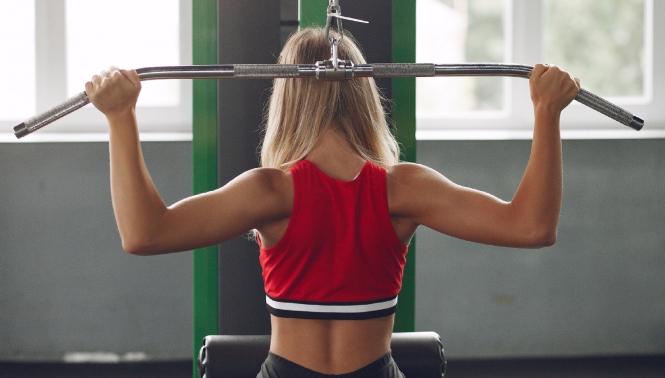
Looking to build a stronger, more defined back? The lat pulldown machine might become your new best friend at the gym. This beginner-friendly exercise targets the latissimus dorsi—commonly known as the “lats”—the large muscles under your armpits that spread across and down your back.
Whether you’re working toward your first pull-up or simply want to improve posture and ease everyday pulling movements like opening heavy doors, mastering the lat pulldown is an essential step in any upper-body strength routine.
How to Perform a Lat Pulldown With Perfect Form

Before loading up the weight plates, take time to master proper technique. Here’s your step-by-step guide to executing lat pulldowns safely and effectively:
Set up properly. Sit comfortably on the pulldown seat with your feet flat on the floor. Adjust either the bar height or your seat so your outstretched arms can comfortably grasp the bar—you should be able to extend your arms fully without standing up. If your station has a thigh pad, adjust it so your upper thighs are tucked securely underneath.
Grip the bar correctly. Use a wide, overhand grip with knuckles facing up. While other grip variations exist, this standard position is ideal for beginners learning the movement pattern.
Execute the pull. Pull the bar down until it reaches approximately chin level, exhaling during the downward motion. Keep your upper torso relatively stationary—a slight shift backward is acceptable, but avoid major swinging. Maintain flat feet and engaged abs throughout.
Squeeze at the bottom. At the lowest point, squeeze your shoulder blades together while keeping your shoulders square. The bottom position should occur when your elbows cannot move downward anymore without moving backward—stop here and don’t go lower.
Control the return. Slowly return the bar to the starting position while controlling its ascent. Resist the urge to let it crash back into the weight plates.
Complete your sets. Aim for eight to 12 repetitions per set, resting between sets as needed.
Why Lat Pulldowns Deserve a Place in Your Routine

Strong lats do more than look impressive. These muscles power everyday pulling movements—opening doors, starting lawnmowers, swimming, and eventually performing pull-ups. Perhaps most importantly, developing strong back muscles through exercises like lat pulldowns may help relieve certain types of back pain while promoting better posture.
Muscles Targeted During Lat Pulldowns
While the latissimus dorsi receives top billing, lat pulldowns also engage the teres major, a muscle near the bottom of your shoulder blade. By isolating these back muscles specifically, you can focus on developing them without prematurely tiring out your biceps or triceps.
Variations to Match Your Fitness Level
One of the lat pulldown’s greatest strengths is its versatility. Here are several ways to modify the exercise based on your goals and experience:
For beginners: Start with light weights or resistance bands to master proper form before progressing. You can also try performing the exercise standing with one leg forward, as if walking, to build stability.
Alternative grip positions: Experiment with different hand placements to target specific muscle groups:
- A wider grip recruits more back muscles
- A mid-distance grip (hands about shoulder-width apart) works the biceps and middle back
- A close-grip pulldown emphasizes forearm muscles
Reverse grip: Turning your hands to an underhand grip with palms facing up places more emphasis on your biceps. This can be done with wide, middle, or close hand positions.
Straight-arm pulldown: This variation requires keeping your elbows nearly fully extended throughout the movement, usually performed standing. It specifically targets your triceps—the muscles on the back of your upper arms.
Common Mistakes That Sabotage Your Results

Even seasoned gym-goers fall into these lat pulldown traps. Avoid them to maximize effectiveness and prevent injury:
Arching your back. Sit upright with your chest lifted throughout the movement. Maintaining a neutral spine protects your lower back from unnecessary strain.
Letting forearms take over. The pulling motion should originate from your back, not your forearms. Focus on activating your lats by pulling down from your armpits.
Gripping too wide. Grab the bar just outside your shoulders—especially as a beginner. Keep your elbows pointed down as you lower the bar, not flared out to the sides.
Pulling down too far. Stop when your elbows would need to move backward to continue pulling. Lowering beyond this point places excessive stress on your shoulder joints. Remember: chin level or just below is your target.
Using momentum. Perform the movement slowly and with control. Fast, jerky repetitions rely on momentum rather than muscle engagement, significantly reducing effectiveness.
Safety First: Essential Precautions

The behind-the-neck lat pulldown is not recommended. This variation places unnecessary stress on shoulder joints and risks spine contact with the bar, potentially leading to injury.
If you have existing wrist, elbow, or shoulder issues, consult your doctor or physical therapist before adding lat pulldowns to your routine. Stop immediately if you experience pain or excessive stress on your shoulder joints during the exercise.
Incorporating Lat Pulldowns Into Your Workout
Ready to put your knowledge into practice? Lat pulldowns fit seamlessly into several popular training splits:
- Push-pull strength-training routines
- Total body tri-set strength workouts
- Back and core strengthening programs
The number of repetitions you perform depends on your experience level, the weight used, and your overall strength. Start conservatively, focus on form, and progress gradually as you build confidence and capability behind the bar.