Personal Stories & Opinion

How One Daily Habit Can Transform Your Health and Productivity
Personal Stories & Opinion

How One Daily Habit Can Transform Your Health and Productivity

In the final of the men’s 200-metre butterfly at the 2008 Beijing Olympics, something went wrong for swimmer Michael Phelps. Midway through the race, water began seeping into his goggles. Within seconds, his vision was completely blurred. By the final lap, he couldn’t see the pool markings, the approaching wall, or even his competitors. Yet he kept swimming—and won gold in world-record time. For sports psychologists and coaches, the moment remains a powerful illustration of the role habits play in performance and everyday life. When the unexpected happens and thinking clearly becomes difficult, the brain often defaults to routines that have been practiced repeatedly. Phelps’ coach, Bob Bowman, had spent years building those routines into his training. In preparation for high-press...
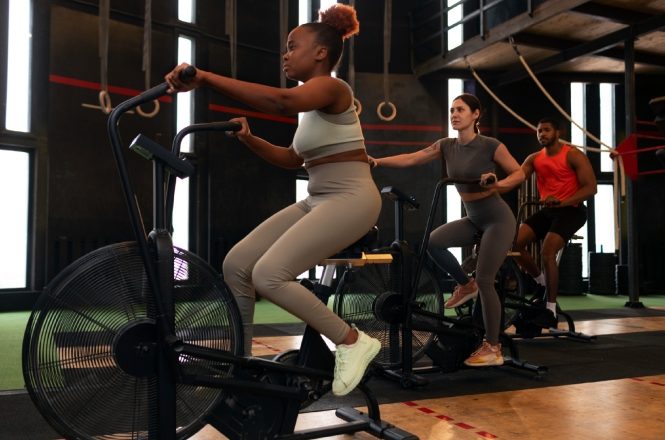
Strength Training vs Cardio: Which Is Better for Healthy Aging? New Insights Emerge
Personal Stories & Opinion

Strength Training vs Cardio: Which Is Better for Healthy Aging? New Insights Emerge

As the global population ages, a growing body of research is prompting fitness experts and public health authorities to re-evaluate the traditional emphasis on cardio exercise, suggesting that strength training may offer superior benefits for healthy aging and longevity. According to a detailed analysis published recently, both aerobic (cardio) and resistance (strength) training provide important health benefits, but they excel in different areas. The key to optimal healthy aging appears to lie in a balanced approach, with increasing evidence showing that strength training delivers unique advantages that cardio alone cannot match. Key Benefits of Each Modality Cardio (Aerobic Exercise) Improves cardiovascular health and endurance Helps regulate blood pressure and choles...
3 Common Health Myths That May Be Affecting Your Well-Being
Personal Stories & Opinion

3 Common Health Myths That May Be Affecting Your Well-Being

Health advice changes constantly. For one decade, a certain food or habit is praised; the next, it is blamed for a wide range of problems. Over time, a few ideas become so widespread that people accept them as unquestionable truth. Yet many health professionals now encourage people to re-examine some of these beliefs. Here are three popular health myths that continue to shape everyday habits around the world. 1. The Sun Is Always Bad for You For years, public health messages have warned about the dangers of sunlight, particularly the risk of skin damage from excessive exposure. While those risks are real, avoiding the sun entirely can also create problems. Sunlight helps the body produce Vitamin D, which plays a key role in bone strength, immune function, and overall health. M...
Scale Lies and Mirror Truths: Why Losing Weight Isn’t Always Losing Fat
Personal Stories & Opinion

Scale Lies and Mirror Truths: Why Losing Weight Isn’t Always Losing Fat

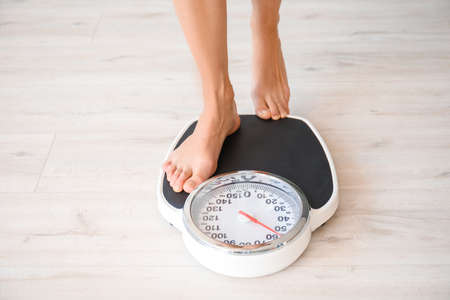
The bathroom scale is a fickle narrator. You wake up, step on that glass square, and let a fluctuating digit dictate your mood for the next eight hours. If the number goes down, you celebrate with a salad; if it goes up, you mourn with a bagel. But here is the secret the fitness industry rarely whispers: your weight is the least interesting thing about your body. The Great Weight Illusion Total body weight is a lump sum of everything—bones, organs, muscle, fat, water, and that literal liter of coffee you just drank. When people say they want to "lose weight," what they usually mean is they want to change their shape, improve their health, and feel tighter in their clothes. That is fat loss, not weight loss. You can lose five pounds in twenty-four hours by sitting in a sauna or cut...
Morning Coffee Linked to Lower Risk of Death from Heart Disease and All Causes, New Study Finds
Personal Stories & Opinion

Morning Coffee Linked to Lower Risk of Death from Heart Disease and All Causes, New Study Finds

A new study published in the European Heart Journal suggests that the timing of coffee consumption matters: people who drink their coffee primarily in the morning have a significantly lower risk of death from cardiovascular disease and all causes compared to those who drink it throughout the day or not at all. Led by Lu Qi, MD, PhD, at Tulane University, the research analyzed data from over 40,000 adults in the National Health and Nutrition Examination Survey (NHANES) and 1,463 participants in the Women’s and Men’s Lifestyle Validation Study. Participants were categorized into non-coffee drinkers, “morning-type” drinkers (almost all coffee before noon), and “all-day-type” drinkers (coffee spread throughout the day). Over nearly a decade of follow-up, morning coffee drinkers showe...
Muscle Building & Strength Training, Personal Stories & Opinion

How Busy People Are Actually Making Time for Exercise – Real Tips from Busy People

Finding time to exercise can feel impossible when work, family, meetings, and daily life compete for every minute. But editors at Healthline (health and fitness curators) —who juggle deadlines, kids, remote work, and everything in between—have figured out practical ways to fit movement in without overhauling their schedules. Here are the real-life strategies they shared for squeezing in physical activity, even on the busiest days: Become a Morning Person (When It Works)One editor starts at 6 a.m. because afternoons and evenings often get derailed by fatigue, social plans, or laziness. Another treats a 7:45–8:45 a.m. gym session or fitness class as non-negotiable—like eating or sleeping—and adds a 30-minute outdoor walk (or walking pad indoors) during lunch. Turn Work-from-Home Me...
How to Fall Back Asleep When You Wake Up in the Middle of the Night (According to Sleep Experts)
Personal Stories & Opinion

How to Fall Back Asleep When You Wake Up in the Middle of the Night (According to Sleep Experts)

Waking up at 3 a.m. and staring at the ceiling is frustratingly common. The good news? Most people can get back to sleep within 10–20 minutes using simple, evidence-based techniques—without reaching for your phone or counting sheep for an hour. Here’s a practical guide, drawn from sleep science and recommendations by experts at Healthline, the Sleep Foundation, and board-certified sleep specialists, to help you return to restful sleep quickly. 1. Don’t Check the Clock (or Your Phone) The moment you glance at the time, your brain starts calculating: “I only have 4 hours left…” This activates stress hormones (cortisol) and makes falling back asleep harder. Put your phone face-down or in another room, and cover or turn the clock away. 2. Get Out of Bed After 15–20 Minutes If yo...
Building Lean Muscle on a Budget: Here are Six Home-Grown Proteins You Can Consider
Personal Stories & Opinion

Building Lean Muscle on a Budget: Here are Six Home-Grown Proteins You Can Consider

The quest for lean muscle is often associated with expensive gym memberships, imported supplements, and pricey cuts of chicken and beef. But here in Ghana, we know that true strength comes from resourcefulness. You don’t need an imported tub of expensive protein powder to build a physique you’re proud of. Some of the best muscle-building fuel is already in your kitchen, or available for a few Cedis at your local market. Whether you’re training in a gym in Accra or doing calisthenics in Kumasi, these four guidelines will show you how to harness local, affordable ingredients to pack on lean mass effectively. 1. Make "Seeds and Legumes" Your Foundation (Not Just a Side Dish) When building muscle on a budget, you have to look beyond just meat and fish. Legumes (beans and peas) and see...
Why Eating Enough Matters More Than Eating Less
Personal Stories & Opinion

Why Eating Enough Matters More Than Eating Less

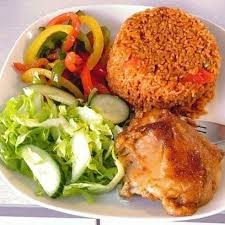
Something happens to all of us when we decide to lose weight. The portion of the kenkey gets smaller. The banku shrinks. The groundnut soup gets a little lighter on the meat. We've been taught that eating less is the answer—that weight loss is a math problem where smaller numbers on the plate equal smaller numbers on the scale. But here's what many Ghanaians discover the hard way: eating too little backfires. The weight stops coming off. The cravings get louder. And eventually, you find yourself standing in front of the fufu seller, wondering where your willpower disappeared to. Eating enough—the right things, at the right times—actually matters more than eating less. Here's why. 1. Your Body Thinks You're Starving Cut your food intake too much, and your body doesn't think, ...
Intermittent Fasting: A Proven Tool for Weight Loss
Personal Stories & Opinion

Intermittent Fasting: A Proven Tool for Weight Loss

In the U.S., obesity rates hover around 42% for adults, according to the Centers for Disease Control and Prevention (CDC). Americans are constantly seeking sustainable ways to shed pounds without the drudgery of constant calorie counting. Intermittent fasting (IF) — a pattern of eating that cycles between periods of fasting and eating — has surged in popularity across the U.S., with apps like Zero and Life Fasting Tracker boasting millions of downloads. But is IF more than a fad? Mounting research shows it can be an effective strategy for weight loss, often matching or surpassing traditional diets in short-term results. Here’s how it works, backed by credible studies. What Is Intermittent Fasting and How Does It Promote Weight Loss? Intermittent fasting isn’t about what y...