
For millions of office workers, the modern workday looks almost identical: hours seated at a desk, eyes fixed on a computer screen, and barely any movement between meetings and emails. By mid-afternoon, the fatigue sets in—not just mental exhaustion, but the heavy, sluggish feeling that comes from sitting still for too long.
Health experts say that sensation is often linked to one overlooked issue: poor circulation.
When the body remains inactive for extended periods, blood flow slows, and muscles become stiff. Over time, this can affect both physical and mental well-being. According to emerging research in psychoneuroimmunology (PNI)—a field that explores the relationship between the mind, nervous system and immune response—regular body movement plays a key role in maintaining both emotional balance and immune health.
PNI researchers examine how lifestyle habits influence the interaction between the brain and the body’s immune system. One of their central findings is that physical movement does far more than strengthen muscles or burn calories. It stimulates circulation, raises heart rate, and triggers the release of biochemical messengers such as endorphins, dopamine and serotonin—chemicals associated with improved mood and reduced stress.
In practical terms, that means something as simple as standing up and stretching during the workday can improve both focus and overall wellbeing.
Movement also serves as a natural stress outlet. For people who spend long hours working at computers—a common reality in today’s digital economy—short bursts of activity can help release built-up tension and restore mental clarity.
Medical studies have even highlighted the importance of movement in clinical settings. Research involving cancer patients, for example, found that individuals who remained physically active during treatment often reported higher energy levels and fewer distressing symptoms compared with patients who were largely inactive.
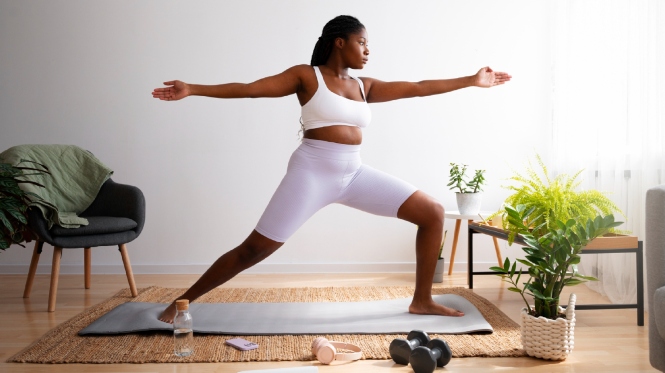
The encouraging news is that maintaining healthy circulation doesn’t require intense workouts or gym memberships. Simple activities such as walking and stretching are among the most effective ways to keep the body active throughout the day.
For office workers, desk-based stretches can provide a quick and practical solution. Health professionals recommend incorporating short stretching breaks into the workday to counter the effects of prolonged sitting.
Common stretches include gently tilting the head toward each shoulder to release neck tension, raising both arms overhead while interlocking the fingers to stretch the spine, or rolling the shoulders upward and releasing them to loosen tight muscles. Other movements involve turning the head from side to side, hugging one knee toward the chest while seated, or extending one arm overhead and leaning sideways to stretch the torso.
Even small movements—such as placing one ankle over the opposite knee and gently pressing down to stretch the hips—can help activate circulation and relieve stiffness.
Another technique gaining attention is progressive muscle relaxation. This method involves deliberately tensing and then relaxing different muscle groups throughout the body. The practice is widely used to reduce anxiety and promote relaxation, and it can easily be done while seated at a desk.
Health specialists say the key is consistency. Taking just a few minutes every hour to move, stretch or stand can significantly reduce the physical strain of long workdays.
In an era when many jobs demand extended screen time, staying active throughout the day may be one of the simplest ways to protect both body and mind.
Sometimes, the healthiest decision at work is simply to stand up.