
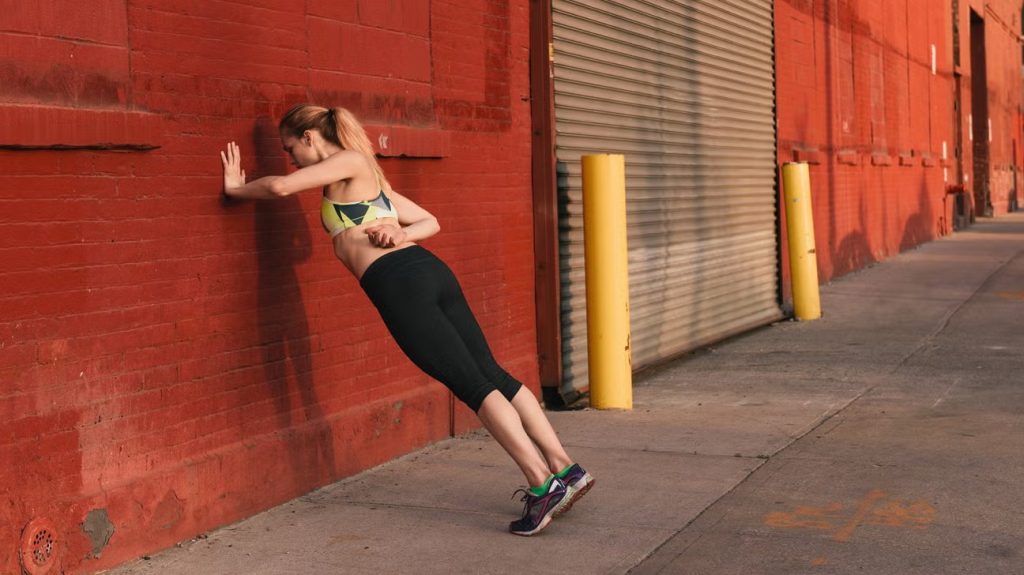
What if getting stronger didn’t require pushing harder—but slowing down instead? It sounds counterintuitive, yet one of the most effective ways to build muscle might be hiding in the part of exercise people usually rush through.
Think about the moment you lower yourself into a chair, walk down a hill, or descend a staircase. That controlled, downward motion—where muscles lengthen under tension—is known as eccentric movement. It’s quiet, often overlooked, but surprisingly powerful.
In many gyms across Accra, workouts tend to focus on the “lift”—the upward push in a squat or the curl of a dumbbell. But the lowering phase is where the body can generate even more force, often with less effort. For busy professionals, older adults, or anyone easing into fitness, this shift in focus can be a game changer.
Eccentric training places less strain on the heart and lungs while still challenging the muscles. That makes it especially useful for people who find high-intensity workouts intimidating or exhausting. A slow five-second descent into a squat, for instance, can build strength without leaving you breathless. Even everyday habits—taking the stairs down instead of the elevator, walking downhill routes—can double as low-effort training.
There’s also a hidden benefit: consistency. Because eccentric exercises feel more manageable, people are more likely to stick with them. Over time, that consistency improves muscle strength, joint stability, and coordination. Some research even points to positive effects on brain function, thanks to the control and focus these movements demand.
That said, easing in matters. Muscles can feel sore when introduced to this style of training, especially at the beginning. Starting with bodyweight movements and building gradually helps the body adapt without unnecessary strain.
The bigger lesson is simple: strength isn’t always about intensity. Sometimes, it’s about intention. Paying attention to how you move—especially on the way down—can reshape not just your workouts, but your relationship with exercise itself.