
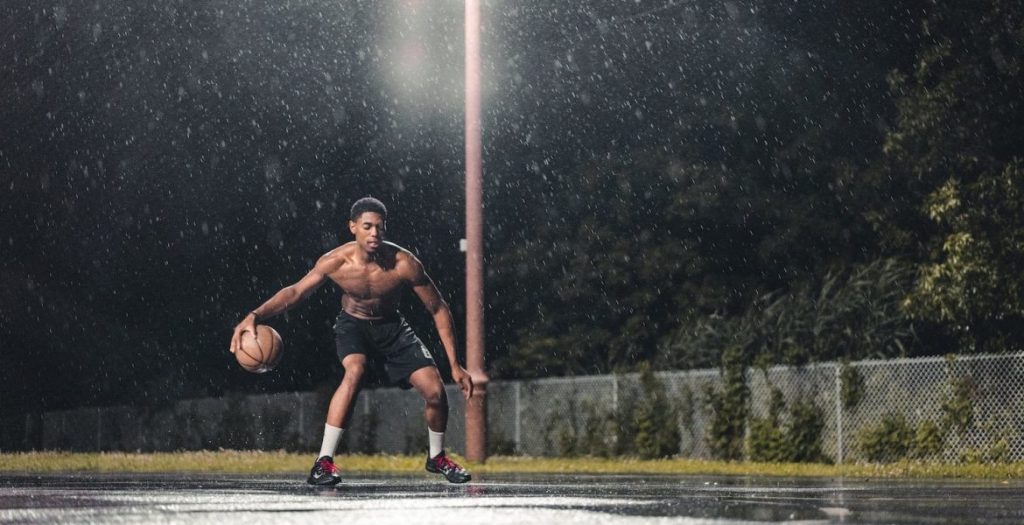
When children run, climb, chase balls or race their friends, no one calls it “exercise.” It’s simply play. But somewhere between childhood and adulthood, that playful movement often turns into something else—structured workouts, gym memberships, and fitness routines that many people struggle to maintain.
Health experts say that shift may be one reason so many adults fall out of the habit of exercising altogether.
As people grow older, priorities change. School, work, and family responsibilities begin to dominate daily schedules, while recreational sports and casual play slowly disappear. For many adults, physical activity is no longer something done for enjoyment but something done out of obligation—often after weight gain or declining fitness becomes a concern.
The irony, researchers say, is that the loss of fun may be exactly what causes exercise routines to fail.
Across the global fitness industry, gyms and wellness centres continue to expand, offering everything from treadmills and weight machines to group classes and specialized training programmes. Yet many of these memberships go unused after the first few months. The surge in sign-ups each January—driven by New Year’s resolutions—often fades quickly once the excitement wears off and workouts begin to feel like another chore.
Fitness psychologists argue that motivation built solely on obligation rarely lasts. Activities that feel enjoyable or socially engaging are far more likely to become lifelong habits.
That insight is prompting some trainers and health advocates to rethink how exercise is presented. Instead of framing movement as punishment for overeating or as a strict routine designed only to burn calories, they encourage people to rediscover the playful side of physical activity.
Community-based exercise is one example gaining popularity. Running clubs, cycling groups, recreational football leagues and outdoor boot camps provide both physical activity and social connection. Participants often report that the shared experience makes workouts feel less like work and more like recreation.
Events such as the global charity run Wings for Life World Run also illustrate how adding purpose and creativity can transform exercise into an engaging challenge. In that event, runners and walkers try to stay ahead of a “catcher car” that gradually closes the distance, turning the race into a moving finish line while raising funds for spinal cord injury research.
Another strategy is shifting the mindset from “exercise” to “training.” Rather than running on a treadmill simply to lose weight, for example, people may feel more motivated when preparing for a race or aiming to improve a personal best time. Having a goal—even a modest one—can make training feel meaningful.
Research also shows that even small amounts of activity can have measurable health benefits. Short daily runs, brisk walks or weekend hikes can improve cardiovascular health, boost mood and increase energy levels. Studies suggest that consistent moderate activity—even if limited to weekends—can still reduce health risks compared with a completely sedentary lifestyle.
The emotional rewards of exercise also play a role. Physical activity triggers the release of endorphins and other chemicals that enhance mood, reduce stress and improve sleep. For many people who exercise regularly, it’s the post-workout feeling—not the workout itself—that keeps them coming back.
Ultimately, experts say the most sustainable fitness routines are the ones people genuinely enjoy.
Whether it’s playing football with friends, cycling through a neighbourhood park, joining a running club or simply walking regularly, the goal is the same: make movement part of life again.
Because the secret to lifelong fitness may be surprisingly simple—turn exercise back into fun.