
In an era of high-intensity interval training, heavy lifting, and complex fitness tracking, two of the health and fitness industry’s most respected voices are delivering a refreshingly simple message: walking is medicine.
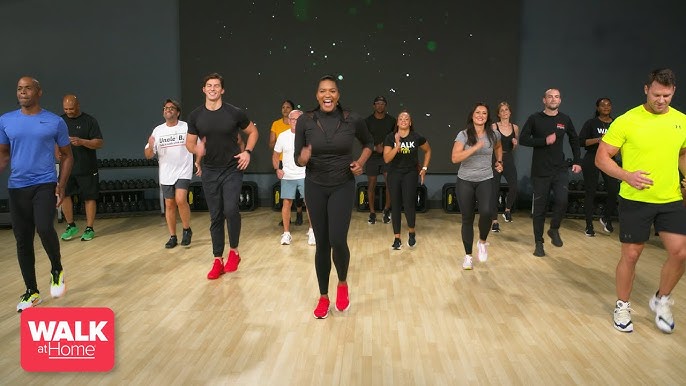
Dr. Ian Smith, a bestselling author and physician, and Joey Thurman, a renowned fitness expert and author, recently joined the Walk at Home family at their production studio in Pittsburgh, Pennsylvania, to lead a one-mile walking workout that packs a surprising punch. The session, filmed with the program’s signature energy, blends movement with education—and the takeaway is clear: you don’t need a gym membership, complicated equipment, or hours of spare time to transform your health.
A Doctor’s Prescription: Walking as Medicine
For Dr. Ian Smith, the message is straightforward and backed by medical science.
“If there’s one thing I prescribe for better health, it’s fitness, and it’s walking,” Smith said during the workout. “Walking gets your heart going, gets your lungs going, and that blood circulating. Walking is vital.”
Smith’s emphasis on walking is grounded in decades of research. Regular walking has been shown to reduce the risk of cardiovascular disease, lower blood pressure, improve blood sugar regulation, support cognitive function, and enhance mood through the release of endorphins. For individuals managing chronic conditions or seeking preventative health measures, walking offers a low-impact, accessible entry point with significant returns.
More Than a Stroll: The Walk at Home Difference
While walking around the block certainly offers benefits, the Walk at Home method distinguishes itself by incorporating multidirectional movement that engages the body more comprehensively than a simple forward stroll.
The one-mile routine, led by the program’s instructors alongside Smith and Thurman, includes:
- Side steps to engage the hips and outer thighs
- Knee lifts to activate the core and improve balance
- Kickbacks to target the hamstrings and glutes
- Standing crunches for abdominal engagement without floor work
- Upper body movements, including punches, reaches, and overhead presses, to elevate calorie burn and improve shoulder mobility
- Multidirectional patterns, such as “two up, two back” and “four up, four back,” to challenge coordination and spatial awareness
By moving in multiple planes of motion, participants recruit a wider range of muscles, increase caloric expenditure, and improve functional fitness—the kind of movement that translates to everyday activities like carrying groceries, playing with children, or maintaining balance as they age.
The Science of Movement: 650 Muscles in Motion
Joey Thurman, who has built a career on making fitness accessible and effective, highlighted the physiological impact of this approach during the workout.
“650 muscles we got right—so much muscles in motion,” Thurman said. “You pair that with the bones, about 200 of them, you’ve got your body’s locomotion. That’s what makes us move.”
Thurman’s point underscores a fundamental principle of exercise physiology: the human body is designed to move in diverse ways. By incorporating upper body work, core engagement, and lateral movement into a walking routine, participants create a full-body workout that maximizes efficiency without requiring additional time or equipment.
Calorie Burn and Cardiovascular Benefits
For those focused on weight management and metabolic health, the addition of arm movements and core engagement transforms a standard walk into a high-calorie-burning session.
“Anytime we incorporate the upper body, we’re burning more calories,” one instructor noted during the routine. “It’s exactly what we’re doing right now—it’s a high-calorie walk.”
The combination of continuous movement, varied intensity, and upper body engagement elevates heart rate more effectively than walking at a steady pace with arms at the sides. This places the workout into the category of moderate to vigorous physical activity, the level associated with the greatest cardiovascular and metabolic benefits according to the American Heart Association and World Health Organization.
Accessibility as a Core Principle
Perhaps the most significant aspect of the walking workout is its accessibility. Throughout the session, instructors emphasized modifications, encouraged participants to move at their own pace, and reminded viewers that simply showing up is what matters most.
“Don’t you ever be worried or anxious about your workout,” one instructor said. “Your good health will come naturally if you show up for yourself every day.”
This message resonates in a fitness culture often dominated by aesthetics, performance metrics, and the pressure to push harder. By removing barriers to entry and celebrating consistency over intensity, the Walk at Home approach aligns with public health priorities of increasing physical activity across all demographics.
A Simple Step Toward Longevity
As the one-mile workout concluded, the team reflected on the deeper purpose of their collaboration.
“This is the fun fitness workout series,” Thurman said. “This is all about getting fit and having fun at the same time.”
Smith added: “So hey, let’s have a good time, baby.”
The sentiment captures an essential truth about sustainable health habits: enjoyment drives consistency, and consistency drives results. Whether an individual is new to exercise, returning after a break, or simply seeking a reliable way to stay active, walking offers a proven, sustainable path forward.
With the combined expertise of a physician and a fitness professional endorsing the practice, the message is difficult to ignore. Walking is not merely a stepping stone to more intense exercise—it is a complete, medically sound, and highly effective form of movement on its own.