
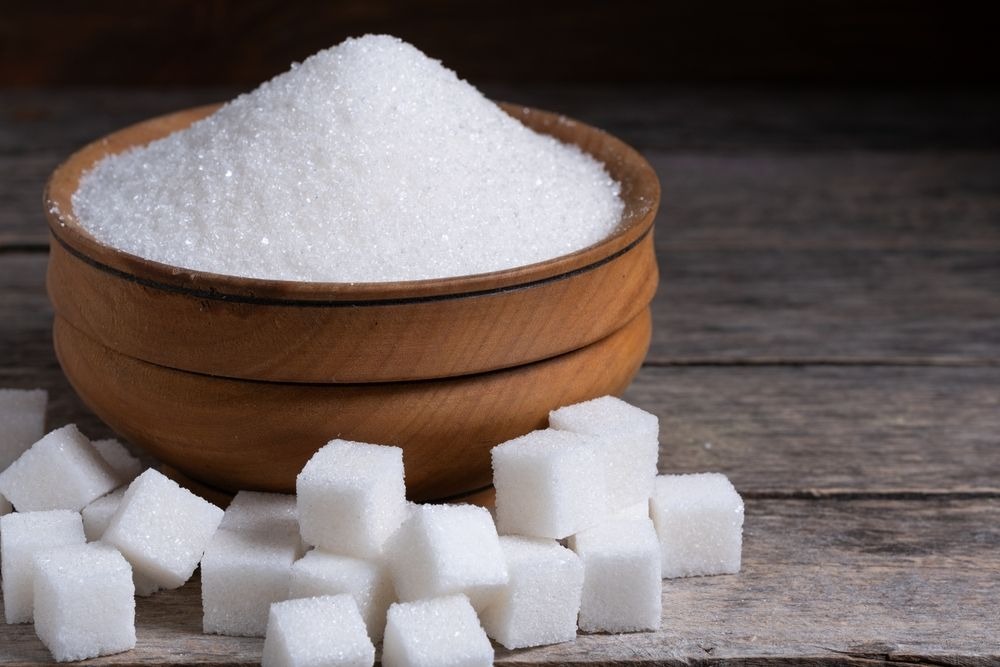
From intense cravings and afternoon slumps to a reset palate and lasting habit change, one woman’s experiment reveals the profound effects of eliminating added sugar from the daily diet.
Foods with added sugar are everywhere, even in some surprising places. So how easy is it to go without sugar, and what difference can it make to your health? One health reporter decided to find out firsthand, giving up all foods containing added refined sugar for six weeks.
While typically eating a healthy diet with plenty of home-cooking, the reporter also had a sweet tooth and tended to consume chocolate treats every day, a habit shared by millions.
Overconsumption of sugar is extremely common in modern diets, and it is bad for our teeth, harmful to our health, and there is even some evidence to suggest eating too much sugar might lead to long-term cognitive deficits.
The Challenge: No Added Sugar for Six Weeks
BBC Senior Health Reporter Melissa Hogenboom set a challenge: no foods containing added refined sugar for six weeks. She also avoided honey and fruit juice but continued to eat natural sugars found in whole fruit, as well as complex carbohydrates, which the body breaks down into glucose, providing the body and brain with their main source of energy.

From the outset, surprising changes emerged. The post-lunch slump went away, though she often found herself listlessly looking in her fridge trying to find something sweet to munch on, feeling as though she was missing out.
Sugar Is Everywhere — Even in Surprising Places
Browsing supermarket shelves, the reporter noticed added sugar in foods she didn’t expect, including:
- A deli sourdough sandwich containing 5.7g of sugar
- A bolognese ready meal with 9g of sugar
- A slice of commonly bought supermarket bread with about 1.2g of sugar per slice
Many breakfast cereals include added sugars, and sugar is also abundant in many ultra-processed foods, which have known adverse health outcomes and tend to contain fewer nutrients than whole foods like fruits, vegetables, and whole grains.
What Sugar Does to the Body
Research shows that when we consume high-sugar foods, it rapidly increases our blood sugar levels. While that is a normal process after eating, if it happens too often we can become resistant to insulin, and the risk of developing type 2 diabetes increases. High-sugar diets are also linked to cavities, inflammation, obesity, Alzheimer’s disease, and cancer.
“Diet related diseases like diabetes are now killing people beyond the scope of alcohol and opiates, and [unhealthy food] is competing with tobacco for being the most deadly substance in the world,” says Ashley Gearhardt, a professor of psychology at the University of Michigan.
For instance, sugar has been found to increase fat in the liver. In one randomised controlled trial, those who consumed high-sugar drinks for several weeks showed about double the amount of fat in their liver, even if they consumed the same calories overall.
Fructose — such as that found in corn syrup — is toxic to mitochondria, the cellular machinery that keep our bodies running, explains Robert Lustig, a leading expert on the harms of sugar. “What it does is it basically knocks out mitochondria, and reduces energy expenditure, so you have to build new ones.” This can make you feel lousy, fatigued, tired, irritable, and increase brain fog.
Emerging research also suggests that diets high in sugary foods are associated with greater mental distress, including symptoms of anxiety and depression.
The Addictive Properties of Sugar
In the first few days of going without sugar, the reporter craved it intensely, especially when offered tasty treats at social events. There is a biological reason for this.
When we eat sugar, it can alter our brain chemistry in a way that mimics what you see when individuals are addicted to opioids, explains Lina Begdache, a registered dietitian and associate professor of health and wellness at Binghamton University. Eating sugary food also activates the brain’s reward system. Research suggests that people who experience stronger cravings for sugary foods may also show a greater increase in the “feel-good” hormone dopamine when they consume them — meaning we feel pleasure and reward.
Numerous experts therefore consider sugar to have addictive properties, though this remains an ongoing area of debate. This dopamine feedback loop helps explain why cutting back can feel so difficult. “You’re a hostage to your biochemistry,” Lustig says. “That’s the definition of addiction. And 20% of the [US] population is sugar addicted.”
What Happens When You Give It Up
Within days of giving up sugar, the body begins to expect less of it, Dalia Perelman, a dietitian from Stanford School of Medicine, explained. Taste buds begin adapting, becoming more sensitive to sweet tastes. Giving up industrially sweetened foods allows the taste system to “recalibrate to the intensity of natural sweetness,” Gearhardt says.
About three weeks into the experiment, something curious started to happen. The reporter was no longer regularly craving sweet treats. When she did get peckish, she found herself snacking on healthier alternatives, including olives, nuts, and fruit.
One reason cravings go down is simply due to reduced exposure to sugary food, which in turn alters the palate and resets metabolism, says Begdache. Levels of triglyceride — a common type of fat in the body which increases when we consume excess calories — will have reduced. Insulin sensitivity improves due to fewer insulin spikes that occur in response to sugary foods. “It’s like resetting to default,” she says.
Reduced sugar diets have other health benefits too. In one small experiment, a team asked a group of 41 children to give up added sugars for just 10 days. By the end, their blood pressure and body fat fell, and they had lower insulin resistance as well as improved behaviour.
A Lasting Change
By the end of the six weeks, the reporter could truly say she was not particularly tempted to reintroduce sugar to her diet. It is likely the “addictive loop” in her brain had been silenced, Begdache told her.
She no longer craves sugary snacks daily, and foods with added sugar — even low-sugar breakfast cereals — simply taste too sweet for her now. This change should make it easier to avoid returning to a daily sugary treat, Perelman says.
When she finally did reintroduce some sugar in the form of a triple chocolate chip cookie (28g of sugar per cookie), she did not feel like eating it at all. It tasted far too sweet, and she could taste more sugar than chocolate. She felt an energy slump soon afterwards and had a mid-afternoon nap.
That treat she used to eat regularly was no longer a treat. She stopped after a few bites.
Rather than avoid added sugar completely, she now restricts her abstinence to weekdays, allowing herself a treat on weekends — and reframing how she thinks about sugary food in the first place.