
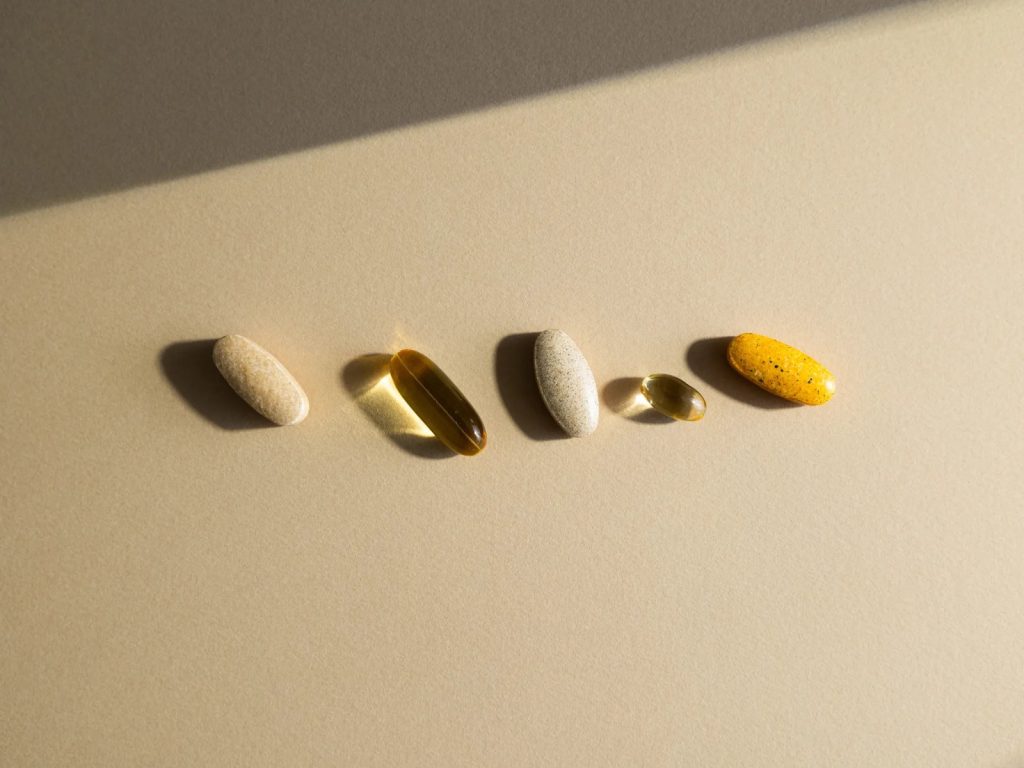
Most people don’t have a supplement problem—they have a lifestyle gap. The powders, capsules, and oils filling shelves from Accra Mall to online stores aren’t magic fixes; they’re patchwork for what modern living quietly strips away.
Start with protein. It’s not that people don’t care about nutrition—it’s that daily routines don’t always allow for it. A quick breakfast, a long commute, a late dinner. Somewhere in between, the body misses out on the building blocks it needs to repair and grow. Supplements step in, not as a shortcut, but as a backup plan.
The same story plays out with fibre. Traditional Ghanaian meals—rich in beans, vegetables, and whole grains—naturally covered this need. But as diets shift toward convenience, fibre intake drops. The result isn’t always obvious at first, but over time it shows up in digestion, energy levels, even long-term health risks. A spoonful of chia seeds or a fibre supplement can help, but it also raises a bigger question: what changed in the way we eat?
Then there’s vitamin D, a surprising deficiency in a country known for sunshine. It’s less about geography and more about behaviour. Indoor work, screen-heavy days, and sun avoidance mean many people aren’t getting enough exposure. It’s a reminder that health isn’t just about what you consume—it’s also about how you live.
Performance-focused supplements like creatine are gaining attention too, especially among younger fitness communities. Once misunderstood, it’s now recognised for supporting strength and even mental sharpness. And omega-3 fatty acids, often lacking in diets low in fatty fish, quietly support heart health in the background—no dramatic feeling, just long-term impact.
What ties all of this together is a shift in perspective. Supplements aren’t replacements for food, sunlight, or movement. They’re signals. They point to where modern life falls short—where convenience replaces nourishment, and where habits drift away from what the body needs.
The smarter approach isn’t to stock up on everything. It’s to ask a simple question: what’s missing in your day-to-day life?
Because the goal isn’t to depend on supplements. It’s to need them less over time.