Tag: 615.854

Inside the Growing Wellness Habit of Adults Over 50
Weight Loss & Fat Burning

Inside the Growing Wellness Habit of Adults Over 50

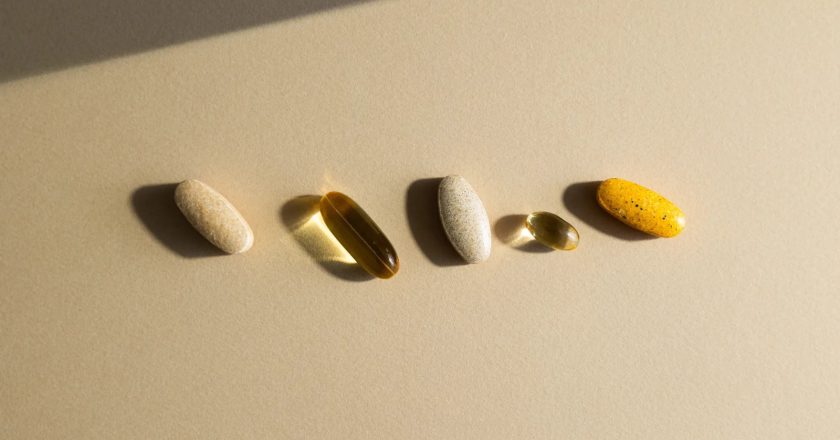
A growing number of older adults are starting their mornings with a small collection of capsules lined neatly beside breakfast. Calcium for the bones. Vitamin D for energy. Herbal mixtures for memory. Multivitamins for “general wellness.” The modern supplement routine has become almost as common as morning tea. But health experts say many people are taking dietary supplements without fully understanding what is actually inside them — or whether they need them at all. Why More Adults Are Turning to Supplements As people age, nutritional needs change. The body may absorb certain vitamins less efficiently, appetite can decline, and medical conditions may affect how nutrients are processed. That is why supplements such as calcium, vitamin D, vitamin B12, and vitamin B6 are often...

The Hidden Risk Behind the Protein Shake Boom
Muscle Building & Strength Training

The Hidden Risk Behind the Protein Shake Boom

Walk into almost any gym in Accra today and you will hear the language of supplements everywhere. Creatine before workouts. Fat burners for faster cuts. Muscle boosters promising rapid gains in weeks. For many young fitness enthusiasts, tubs of powder and performance pills have become just as common as dumbbells and treadmills. But behind the booming wellness culture is a growing health concern, experts say more people need to understand: not every supplement sold for muscle growth is as safe as it looks. When “Fitness” Products Carry Hidden Dangers The modern supplement industry thrives on speed and appearance. Social media transformations and bodybuilding culture have convinced many people that bigger muscles, sharper abs, and faster performance can be bought in a container. ...
Mangoes Are Not Making You Fat — Here’s What Nutrition Experts Say
Nutrition & Meal Planning

Mangoes Are Not Making You Fat — Here’s What Nutrition Experts Say

Every mango season, the warnings return like clockwork. “Don’t eat too many mangoes.” “They’re too sugary.” “Mangoes will make you fat.” Yet across homes and roadside markets in Accra, people still slice into the bright golden fruit with guilty hesitation — enjoying the sweetness while quietly wondering if they are sabotaging their health. Nutrition experts say the fear is largely misplaced. Mangoes are not the villains they are often made out to be. In fact, for many people, they can be part of a healthy, balanced diet. Why Mangoes Got a Bad Reputation Part of the confusion comes from the fruit’s natural sweetness. Because mangoes taste rich and sugary, many assume they carry the same health risks as processed desserts or soft drinks. But the body responds differently...
Could Your Fatigue Be Linked to a Lack of Sunlight?
Nutrition & Meal Planning

Could Your Fatigue Be Linked to a Lack of Sunlight?

For a country blessed with year-round sunshine, Ghana is quietly facing a surprising health problem: many people are not getting enough vitamin D. It sounds almost impossible. In cities like Accra, Kumasi, and Takoradi, the sun arrives early and lingers long into the evening. Yet doctors around the world are seeing more patients with fatigue, body aches, low mood, and weak bones linked to what experts call the “sunshine vitamin” deficiency. The modern lifestyle may be partly to blame. Many urban professionals now spend most of the day indoors — moving from air-conditioned bedrooms to cars, offices, shopping malls, and back home again with very little direct sunlight on their skin. Add sunscreen, heavy traffic that discourages walking, and long hours behind screens, and the body l...
The Real Reason You Think You Need Supplements
Nutrition & Meal Planning

The Real Reason You Think You Need Supplements

Most people don’t have a supplement problem—they have a lifestyle gap. The powders, capsules, and oils filling shelves from Accra Mall to online stores aren’t magic fixes; they’re patchwork for what modern living quietly strips away. Start with protein. It’s not that people don’t care about nutrition—it’s that daily routines don’t always allow for it. A quick breakfast, a long commute, a late dinner. Somewhere in between, the body misses out on the building blocks it needs to repair and grow. Supplements step in, not as a shortcut, but as a backup plan. The same story plays out with fibre. Traditional Ghanaian meals—rich in beans, vegetables, and whole grains—naturally covered this need. But as diets shift toward convenience, fibre intake drops. The result isn’t always obvious at fir...
Vitamin C Won’t Stop Your Cold But It Can Change the Outcome
Nutrition & Meal Planning

Vitamin C Won’t Stop Your Cold But It Can Change the Outcome

That idea quietly reshapes how we think about one of the most popular home remedies in Ghana and beyond. From fresh orange juice at breakfast to vitamin tablets picked up at the pharmacy in a hurry, many people turn to vitamin C the moment a scratchy throat appears. But the real story isn’t about last-minute fixes—it’s about what your body has been building all along. Think of your immune system like a well-trained team rather than a fire brigade. It doesn’t suddenly become stronger when a cold arrives; it performs based on how it’s been supported over time. Vitamin C plays a steady, behind-the-scenes role here. As an antioxidant, it helps the body manage the stress caused by infections, while also supporting immune cells that fight off viruses. The catch? It works best when it’s part o...
Doctors Say Most Supplements Are Unnecessary, But These Six May Be Worth Considering
Personal Stories & Opinion

Doctors Say Most Supplements Are Unnecessary, But These Six May Be Worth Considering

The modern wellness industry thrives on a simple promise: there is a pill for almost everything. From sharper focus and deeper sleep to stronger workouts and smoother digestion, supplements now sit at the centre of many daily health routines. Yet behind the booming market lies a quieter truth from within the medical community—most doctors remain cautious about what they actually take themselves. According to the U.S. Office of Dietary Supplements, about half of American adults and a third of children regularly use dietary supplements. But many physicians warn that enthusiasm has far outpaced scientific necessity. Jeffrey Linder, a general internist and professor at Northwestern University’s Feinberg School of Medicine, has been blunt in his assessment, saying that a “vast majority o...