
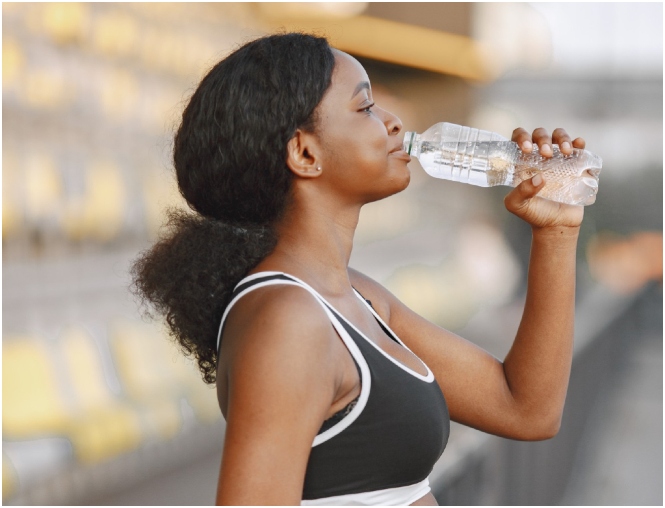
Amid growing awareness of nutrition and lifestyle factors that influence long-term health, water remains one of the simplest yet most powerful tools for physical and mental well-being.
A comprehensive interactive feature underscores that adequate hydration supports everything from weight management and joint health to cognitive function, mood stability, and disease prevention — while dehydration quietly undermines performance and recovery.
Water plays a central role in controlling calorie intake by helping distinguish thirst from hunger, reducing the likelihood of overeating. It lubricates joints and cushions tissues, directly enhancing exercise comfort and performance. On the cognitive side, proper hydration improves attentiveness, short-term memory, and overall mood, while insufficient intake can lead to fatigue, irritability, anxiety, and difficulty concentrating.
Cardiovascular benefits include easier blood pumping to muscles and blood vessels, reducing strain on the heart. Water also maintains urinary tract health (lowering infection risk), promotes smooth digestion to prevent constipation, and can reduce both the frequency and intensity of headaches.
Dehydration, even mild, carries measurable downsides: fatigue during workouts, reduced motivation, impaired memory and focus, increased heart workload, constipation (as the body pulls fluid from stool), and heightened migraine risk in susceptible individuals.
How Much Water Do You Really Need?
The National Academy of Medicine recommends approximately 3.7 liters (15.6 cups) of total fluids per day for men and 2.7 liters (11.4 cups) for women. Importantly, this includes water from all sources — beverages and food. Water-rich foods like cucumbers, celery, apples, raw broccoli, and carrots contribute meaningfully to daily intake.
Myths vs. Facts
Thirst and urine color remain reliable everyday indicators: light yellow to almost clear urine and the absence of thirst generally signal good hydration. Overhydration, though rare, can lead to hyponatremia (water intoxication) when excessive fluid dilutes blood sodium levels — a risk mainly in endurance events or extreme overconsumption.
Practical Tips to Stay Hydrated
- Carry a reusable water bottle everywhere
- Choose water over sugary drinks when eating out
- Drink a glass with every meal and snack
- Boost intake through high-water-content fruits and vegetables
The feature stresses that consistent, moderate hydration enhances physical performance, mental clarity, and overall resilience — making water the foundational habit for anyone pursuing better health and fitness outcomes.