
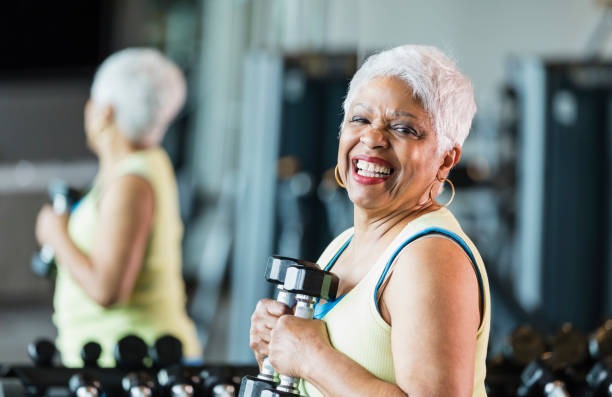
For years, many women were told the formula was simple: lighter weights, higher reps, repeat. Three sets of 12 became gym culture’s default setting. But for countless women entering their late 30s and 40s, something frustrating started happening — the workouts that once shaped their bodies suddenly stopped working.
The issue, experts say, may have less to do with effort and more to do with hormones.
Why the Old Workout Formula Changes With Age
As women move through their mid-30s and beyond, natural shifts in estrogen and progesterone begin affecting how the body responds to exercise. Energy changes. Recovery changes. Muscle-building changes too.
That is why many fitness professionals are now encouraging women to rethink traditional strength training routines. Instead of endless repetitions with lighter weights, the focus is shifting toward heavier resistance and lower rep ranges designed to build strength and preserve lean muscle.
The concept sounds intimidating at first. Heavy lifting still carries outdated stereotypes for many women, especially in places where cardio-focused fitness remains more popular. But trainers say the goal is not bodybuilding. It is longevity.
Strength as a Form of Protection
Lean muscle plays a bigger role in health than many people realise. It supports metabolism, protects joints, improves balance, and helps maintain independence later in life. Building strength can also help women better manage weight fluctuations that often appear during hormonal changes.
In gyms across Accra and other urban centres, more women are quietly embracing resistance training for exactly this reason. Instead of spending an hour doing repetitive movements with light dumbbells, some are choosing shorter, more intense sessions focused on power-based exercises.
The method is simple: fewer repetitions, heavier weights, better form.
A woman who could comfortably press a lighter weight 12 times may now be encouraged to choose a heavier set she can lift six times with effort while maintaining proper technique. The shift challenges the muscles differently and stimulates strength gains more effectively.
Rethinking What Fitness Looks Like
There is also a psychological shift happening. Women are beginning to see strength not as something masculine, but as something deeply practical and empowering.
The strongest image of wellness today is no longer about shrinking the body. It is about building one capable of carrying children, climbing stairs without pain, travelling comfortably, and staying active well into older age.
And for many women, that journey begins with picking up a heavier weight than they thought they could handle.