
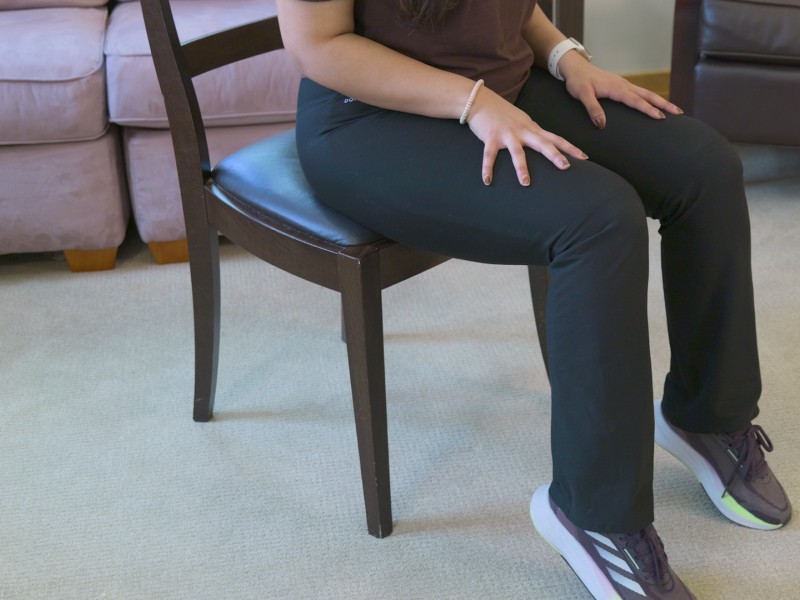
Imagine lowering your blood sugar spike after a meal—not with a complicated workout or expensive equipment, but with a simple movement you can do while sitting. New research suggests that a small muscle in your calf may hold surprising power when it comes to managing blood glucose levels.
Health experts are increasingly paying attention to the soleus muscle, a deep muscle located in the calf. When activated in a specific way, it can help pull glucose from the bloodstream, potentially reducing the sharp rise in blood sugar that often occurs after eating. While walking remains one of the most effective ways to manage post-meal blood sugar, this lesser-known calf exercise may offer an additional tool—especially for people who spend long hours sitting.
Here are three key insights about how this surprisingly simple movement works.
1. The Soleus Muscle Acts Like a Small Metabolic Engine
The soleus muscle sits underneath the more visible calf muscles and plays an important role in standing and walking. What makes it particularly interesting to researchers is its unique metabolic properties.
Unlike many other muscles, the soleus contains a high concentration of slow-twitch muscle fibres. These fibres are built for endurance and can stay active for long periods without tiring quickly. When engaged in continuous, gentle movements, the muscle uses glucose from the bloodstream as fuel.
This means that activating the soleus repeatedly can help the body draw sugar out of the blood and into the muscle, which may help reduce post-meal blood sugar spikes.
2. Slow Heel Lifts Activate the Muscle Best
The movement used in research studies isn’t a typical fast-paced calf raise performed in the gym. Instead, it involves slow, controlled heel lifts that keep the soleus muscle gently engaged.
To try the movement, sit comfortably with your feet flat on the floor. Slowly lift your heels while keeping the front of your feet on the ground. Then lower your heels back down with control.
The goal isn’t speed or intensity. The movement should feel like a steady, rhythmic pump in the calves. This continuous motion allows the soleus muscle to stay active and metabolically engaged for longer periods.
Because the exercise can be performed while sitting, it’s especially useful for people who spend much of the day at a desk or in front of a screen.
3. It Works Best Alongside Walking
While this calf movement shows promise, it isn’t meant to replace other forms of physical activity. Walking after meals remains one of the most effective strategies for managing blood sugar because it activates larger muscle groups throughout the body.
A short walk helps muscles use glucose for energy, which can lower the rise in blood sugar after eating.
The seated calf exercise simply adds another layer of support. For people who cannot immediately walk after a meal—or those who sit for extended periods—it offers a practical way to keep the body metabolically active.
A Small Movement With Big Potential
Managing blood sugar doesn’t always require intense workouts or complicated routines. Sometimes the most effective tools are small, consistent habits that keep the body moving.
Slow calf raises that activate the soleus muscle may help support glucose control, especially when combined with regular walks and an active lifestyle. It’s a reminder that even subtle movements can play a meaningful role in long-term metabolic health.