Tag: 612.39

The Everyday Habits That Makes You Bloat – And it’s Not Food
Nutrition & Meal Planning

The Everyday Habits That Makes You Bloat – And it’s Not Food

It is one of the most frustrating feelings: waking up puffy, sluggish and uncomfortable even when you have not eaten a huge meal. For many people, bloating is quickly blamed on a single food — too much bread, fizzy drinks or late-night eating. But health experts say the real issue is often bigger than what is sitting on the plate. Water retention and bloating are deeply connected to how the body handles stress, sleep, movement and hydration throughout the day. In other words, your swollen stomach may have less to do with one bad meal and more to do with the rhythm of your lifestyle. The Body Holds On When It Feels Stressed One of the biggest misconceptions about water retention is that drinking less water will solve it. In reality, the opposite is often true. When the bo...

The Sugar Trap: Why Cravings Keep Coming Back and How to Break the Cycle
Nutrition & Meal Planning

The Sugar Trap: Why Cravings Keep Coming Back and How to Break the Cycle

It starts innocently—a sweet pastry with your morning tea, a fizzy drink to push through the afternoon heat. But a few hours later, the craving returns, louder than before. For many people, sugar isn’t just a treat; it’s a cycle. What’s happening behind the scenes is less about willpower and more about biology. Sugary foods, especially refined carbohydrates, give a quick burst of energy. Your brain rewards you with feel-good chemicals, creating a momentary high. But that spike doesn’t last. Blood sugar drops just as quickly, leaving you tired, hungry, and reaching for the next fix. It’s a loop that quietly shapes daily eating habits. In Ghana, where sweetened drinks, pastries, and processed snacks are increasingly common, this cycle is easy to fall into. A bottle of soda here, a ...
Why Eating More Protein Might Be the Easiest Way to Control Your Appetite
Nutrition & Meal Planning

Why Eating More Protein Might Be the Easiest Way to Control Your Appetite

The promise sounds simple: eat more protein, feel less hungry, lose weight. For many people, that first week on a high-protein diet feels like a breakthrough—fewer cravings, smaller portions, and a sense of control that may have been missing before. But the real story isn’t just about eating more chicken or eggs. It’s about how protein quietly reshapes your relationship with food. Protein has a powerful effect on appetite. Unlike sugary snacks or refined carbs that spike and crash your energy, protein digests slowly, keeping you fuller for longer. That means fewer mid-morning cravings and less temptation to reach for quick, processed options. In a Ghanaian context, this shift can be as simple as adding beans to your rice, groundnuts to your porridge, or grilled fish to your plat...
Why “Lose Weight Fast” Might Be the Worst Advice You Follow
Weight Loss & Fat Burning

Why “Lose Weight Fast” Might Be the Worst Advice You Follow

 “Lose 10 pounds in 10 days.” It’s the kind of promise that spreads fast—on billboards, social media, even whispered between friends before a big event. And for many people, especially with weddings, reunions, or festive seasons on the horizon, the temptation is real. But behind the quick drop on the scale is a quieter story your body doesn’t advertise. Rapid weight loss often looks impressive at first. The number goes down, clothes feel looser, compliments start rolling in. But much of that early loss isn’t fat—it’s water, glycogen, and, more worryingly, muscle. And when muscle goes, your body pays attention. It responds by slowing things down, conserving energy like a phone on low battery. In places like Accra, where daily routines already stretch time and energy, extreme diet...
The Truth About Low-Carb Diets: What Happens After the Weight Loss
Nutrition & Meal Planning

The Truth About Low-Carb Diets: What Happens After the Weight Loss

For a while, cutting carbs felt like the smartest move on the plate. Skip the rice, avoid the yam, double the meat—watch the weight drop. It’s a script many people in Ghana and beyond have tried at some point. And yes, the scale often responds quickly. But what happens after those first few months is a story we don’t tell as often. Low-carb, high-protein diets gained popularity by promising fast results. They work, at least initially, because they quietly reduce how much you eat. Protein fills you up, appetite drops, and calories fall. But weight loss alone doesn’t tell the full health story. Beneath the surface, the body is adjusting in ways that aren’t always helpful long-term. Carbohydrates have been unfairly cast as the villain, yet they are the body’s preferred source of e...
A Handful a Day: Why Nuts and Seeds Are Small Foods With Big Impact
Nutrition & Meal Planning

A Handful a Day: Why Nuts and Seeds Are Small Foods With Big Impact

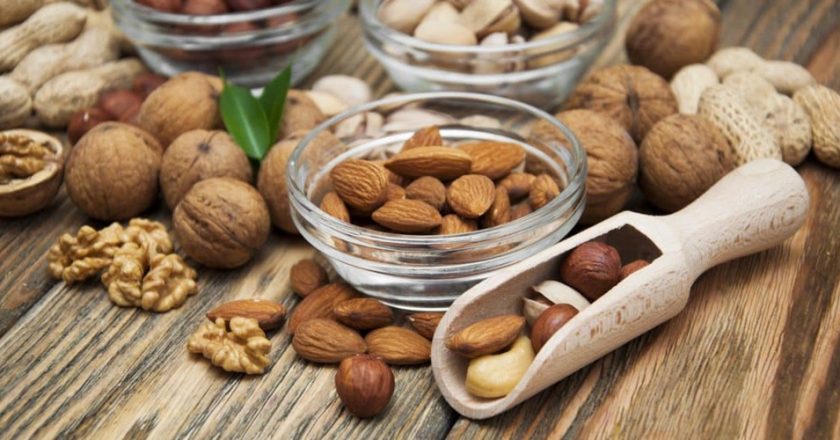
Long before calorie counts and diet trends, a handful of nuts could mean survival. Traders carried them across deserts, ancient texts praised them as royal food, and communities relied on them when crops failed. Today, that same handful—almonds, peanuts, sesame, or pumpkin seeds—might be one of the simplest ways to protect your heart. In kitchens across Ghana, nuts and seeds are already familiar. Groundnuts simmer into rich soups, sesame finds its way into snacks, and roasted seeds are sold on busy streets. Yet what often feels like a side ingredient is quietly one of the most powerful additions to a daily diet. The real story isn’t just about protein or healthy fats—though nuts have plenty of both. It’s how they work together. The oils in nuts, especially monounsaturated an...
Can You Really Boost Your Metabolism? The Science Behind the Viral Myths
Muscle Building & Strength Training

Can You Really Boost Your Metabolism? The Science Behind the Viral Myths

Forget the apple cider vinegar shots and the grueling ice baths. If you are looking to "speed up" your metabolism, the most powerful tool you have isn’t a trendy supplement—it is the very muscle sitting on your frame right now. Metabolism is often discussed as a mysterious, fixed speed limit that dictates how we gain or lose weight. However, medical experts are increasingly reframing it not as a static trait, but as a highly modifiable chemical engine. While social media "hacks" promise instant results, true metabolic health is built on a foundation of tissue maintenance and hormonal balance that goes far beyond the bathroom scale. The Energy Equation At its core, metabolism is the sum of every chemical process keeping you alive. "About 20% of the energy your metabolism provides g...
Listen to Your Cravings: Why That Salt Habit Might Be More Than Just a Snack Craving
Nutrition & Meal Planning

Listen to Your Cravings: Why That Salt Habit Might Be More Than Just a Snack Craving

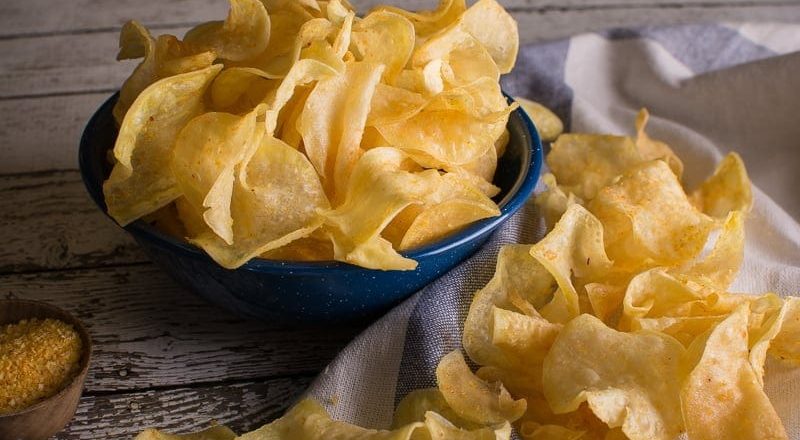
If you find yourself reaching for the salt shaker before you’ve even tasted your food, or if a bag of plantain chips feels less like a treat and more like a necessity, your body might be trying to tell you something urgent. While we often dismiss salt cravings as a simple lack of discipline, medical experts warn that a persistent "salt tooth" can be a sophisticated biological distress signal, masking everything from simple dehydration to rare genetic disorders. The Evolution of the Shaker In an evolutionary sense, our ancestors were programmed to seek out salt. In ancient times, sodium was scarce and vital for survival, helping the body maintain fluid balance and nerve function. Today, the script has flipped. In a world of processed "convenience" foods and quick-service meals, ...
Why Strength Training and Protein are the New Weight Loss Essentials
Muscle Building & Strength Training

Why Strength Training and Protein are the New Weight Loss Essentials

For decades, the mantra for weight loss has been a simple, punishing equation: eat less and move more. But for many women, particularly those balancing the high-stress demands of modern careers and family life, following this advice feels like running a race on a treadmill that’s slowly tilting upward. Despite the discipline, the scale doesn't budge, and the fatigue only deepens. The disconnect, according to experts transitioning from emergency medicine to functional health, isn't a lack of willpower—it’s a lack of data. The traditional "calories in, calories out" model often ignores the complex hormonal symphony that governs a woman’s metabolism, treating a metabolic wildfire with more fuel instead of finding the source of the flame. The Cortisol Trap In a modern landscape ...
Stanford Scientists Discover “Natural Ozempic” That May Deliver Weight Loss Without Common Side Effects
Nutrition & Meal Planning

Stanford Scientists Discover “Natural Ozempic” That May Deliver Weight Loss Without Common Side Effects

Researchers at Stanford Medicine have identified a naturally occurring peptide that mimics the appetite-suppressing and weight-loss effects of Ozempic (semaglutide) while appearing to avoid many of its unpleasant side effects. The molecule, named BRP (BRINP2-related peptide), significantly reduced food intake and promoted fat loss in animal studies without causing nausea, constipation, slowed digestion, or muscle loss — common complaints among users of GLP-1 medications. A More Targeted Approach to Appetite Control Unlike semaglutide, which activates receptors throughout the body (including the gut and pancreas), BRP appears to act more selectively in the hypothalamus — the brain region responsible for regulating hunger and metabolism. "The receptors targeted by semaglutide ar...