
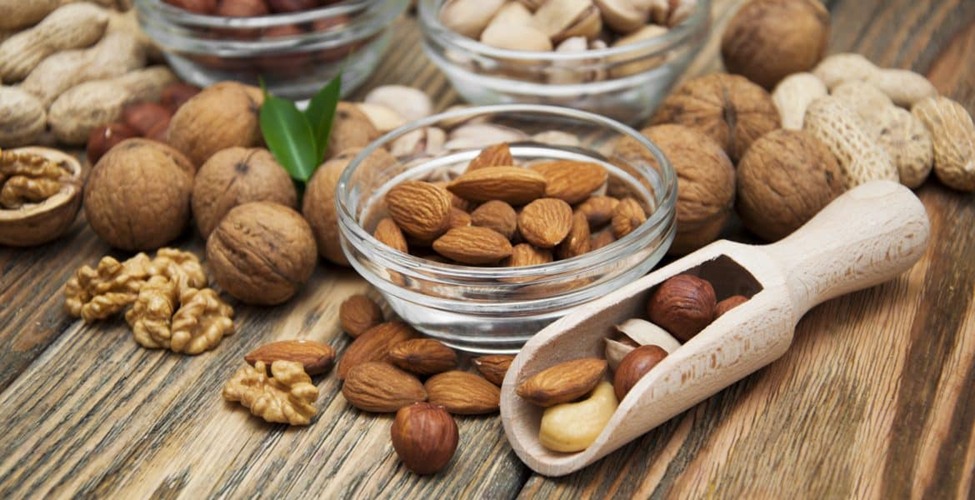
Long before calorie counts and diet trends, a handful of nuts could mean survival. Traders carried them across deserts, ancient texts praised them as royal food, and communities relied on them when crops failed.
Today, that same handful—almonds, peanuts, sesame, or pumpkin seeds—might be one of the simplest ways to protect your heart.
In kitchens across Ghana, nuts and seeds are already familiar. Groundnuts simmer into rich soups, sesame finds its way into snacks, and roasted seeds are sold on busy streets.
Yet what often feels like a side ingredient is quietly one of the most powerful additions to a daily diet.
The real story isn’t just about protein or healthy fats—though nuts have plenty of both. It’s how they work together.
The oils in nuts, especially monounsaturated and omega-3 fats, help improve cholesterol levels. Fibre supports digestion and keeps you fuller for longer. Antioxidants, like vitamin E and plant compounds, help reduce inflammation—one of the hidden drivers behind heart disease, diabetes, and even aging.
What surprises many people is that nuts don’t behave the way we expect calorie-dense foods to behave. Despite their richness, regular nut eaters often maintain healthier body weights. A small handful can satisfy hunger in a way ultra-processed snacks rarely do.
Think of swapping a sugary biscuit for a mix of roasted peanuts and seeds—it’s a small shift with long-term impact.
Seeds bring their own strengths. Flax and chia offer omega-3 fats that support brain health. Pumpkin seeds provide iron, making them especially useful for people at risk of anemia.
Sesame seeds, common in many traditional dishes, are packed with calcium and minerals that support bone health.
Adding them doesn’t require a complete diet overhaul. Sprinkle seeds over porridge, blend groundnuts into stews, toss a handful into salads, or snack on them between meals. The goal isn’t perfection—it’s consistency.
Because sometimes, the difference between a routine diet and a protective one is as simple as what fits in the palm of your hand.