
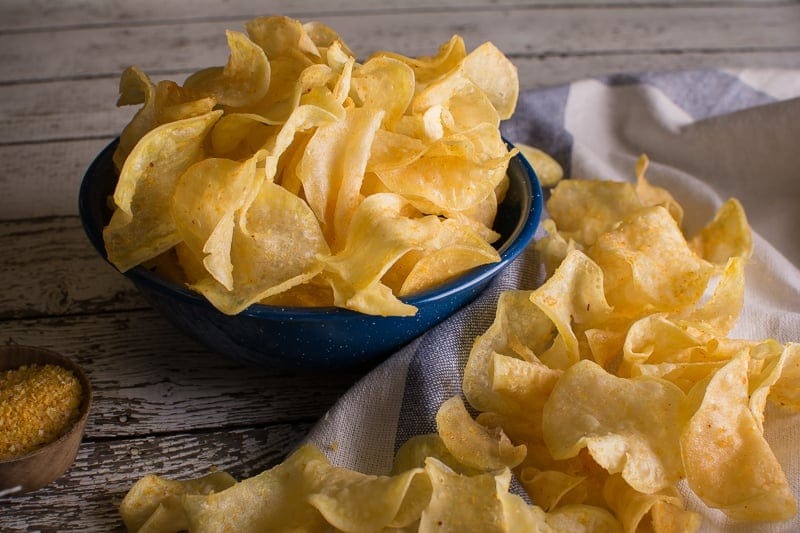
If you find yourself reaching for the salt shaker before you’ve even tasted your food, or if a bag of plantain chips feels less like a treat and more like a necessity, your body might be trying to tell you something urgent.
While we often dismiss salt cravings as a simple lack of discipline, medical experts warn that a persistent “salt tooth” can be a sophisticated biological distress signal, masking everything from simple dehydration to rare genetic disorders.
The Evolution of the Shaker
In an evolutionary sense, our ancestors were programmed to seek out salt. In ancient times, sodium was scarce and vital for survival, helping the body maintain fluid balance and nerve function.
Today, the script has flipped. In a world of processed “convenience” foods and quick-service meals, the average adult consumes roughly 3,400 mg of sodium daily—far exceeding the American Heart Association’s recommended limit of 1,500 to 2,300 mg.
However, the danger doesn’t only lie in excess. Sodium is an essential electrolyte. When the balance is disrupted—whether through the physical demands of a tropical climate, intense exercise, or underlying illness—the brain triggers a craving to restore the equilibrium.
Signs Your Body is Seeking Balance
Research identifies several key drivers behind the sudden urge for sodium. Dehydration is the most common culprit; when you lose fluids through sweat or illness, you lose vital minerals. This is particularly relevant for those working in high-heat environments or living in warmer regions like West Africa, where “hypotonic dehydration” can occur if you replenish with plain water but fail to replace lost salts.
Beyond hydration, more complex conditions may be at play:
- Adrenal Insufficiency: Conditions like Addison’s disease prevent the adrenal glands from producing enough cortisol and aldosterone, causing the body to “waste” sodium.
- The Stress Connection: Emerging research suggests the hypothalamus releases dopamine in response to salt, meaning your stressful office job might literally be driving you toward the vending machine for a dopamine hit.
- Neurological Triggers: Interestingly, people who suffer from migraines often report salt cravings during the “prodrome” phase, as the body attempts to mitigate pain or withdrawal from processed foods.
- Hidden Medical Links: Rare genetic conditions like Bartter syndrome and Cystic Fibrosis, or even common medications like certain antifungals and pain relievers, can interfere with how your kidneys process salt.
Taming the Craving
If your doctor has advised you to cut back, the transition doesn’t have to be tasteless. Professional nutritionists suggest “tricking” the palate with acidic or pungent alternatives. Freshly ground black pepper, garlic, and citrus (lemon or lime) provide a sensory “bite” that mimics the satisfaction of salt. Vinegars are also a powerful tool for the low-sodium cook, offering a sharp profile that enhances meat and vegetables without adding a single milligram of sodium.
The Diagnostic Step
A persistent craving should never be ignored. Medical professionals recommend keeping a “symptom journal” to track when these urges occur and if they are accompanied by dizziness, fatigue, or skin changes.
While a love for savory snacks is often just a habit, chronic salt seeking is a data point—one that deserves a conversation with a healthcare provider to ensure your internal chemistry isn’t out of sync.