
Gluten has become the dietary villain du jour, plastered across grocery shelves, menus, and wellness blogs. From paleo to wheat-free fad diets, millions are avoiding it—but is that really necessary for most of us? Recent research suggests the answer might surprise you.
Understanding Gluten: Not Everyone Needs to Avoid It
Gluten, a protein found in wheat, barley, and rye, can trigger severe health issues for a small fraction of the population. Celiac disease, an autoimmune condition caused by gluten, affects about 0.7% of Americans. For these individuals, a strict gluten-free diet isn’t optional—it’s lifesaving. Outside of celiac disease, however, the evidence supporting widespread gluten avoidance is limited.
Over the past decade, gluten-free products have surged in popularity, often marketed as a health upgrade. But is shunning gluten inherently beneficial? A recent long-term study sheds light on the matter. Researchers followed over 6,000 participants for 26 years, tracking their gluten intake and corresponding cardiac events while accounting for a variety of lifestyle and dietary factors.
The Research: Whole Grains Matter
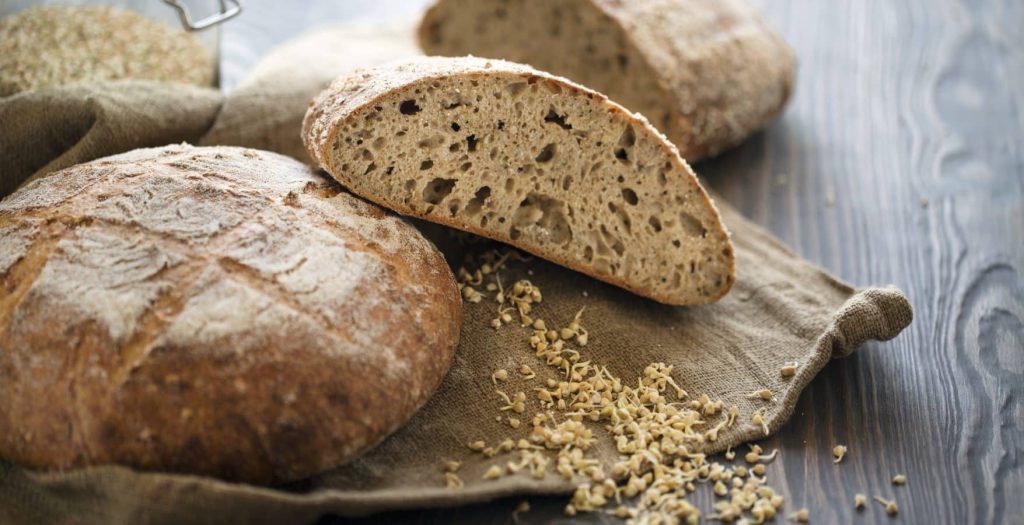
The study found that the most common sources of gluten in the diet were dark bread, pasta, cold cereal, white bread, and pizza. Initially, higher gluten intake seemed linked to a lower risk of heart problems. However, when researchers adjusted for confounding factors—such as overall diet quality, exercise habits, and other health variables—the protective effect disappeared.
Interestingly, the analysis revealed that limiting gluten by cutting out whole grains could potentially be harmful. Whole grains contain fiber, vitamins, and minerals that support heart health, digestion, and metabolic function. Avoiding them unnecessarily may reduce these benefits, suggesting that blanket gluten avoidance is not the best strategy for most people.
Practical Takeaways: Tailoring Your Diet to You
So, what does this mean for your everyday eating habits? Experts recommend a targeted approach:
- Seek Medical Guidance if Needed – If you experience digestive symptoms like bloating, diarrhea, or abdominal pain after eating gluten, consult a healthcare professional to rule out celiac disease or gluten sensitivity.
- Moderation Over Elimination – Those without celiac disease or significant gluten-related symptoms don’t need to adopt extreme gluten-free diets. Occasional consumption of pasta, bread, or pizza is unlikely to harm your health.
- Focus on Whole, Nutrient-Rich Foods – Prioritize balanced nutrition over fad restrictions. Fiber-rich whole grains, fruits, vegetables, and lean proteins provide the nutrients your body truly needs.
Ultimately, the key to wellness is listening to your body and making choices that support your unique health needs rather than following trends. Gluten avoidance is essential for some, but for the majority, it’s not a requirement—and may even limit beneficial nutrients if done unnecessarily.