
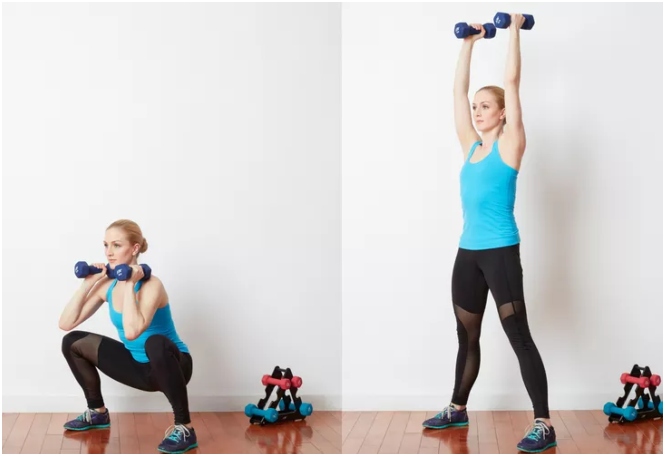
Forget the treadmill stress test. Forget the blood panel. One of the simplest and most accessible predictors of longevity may be hiding in an exercise most people learned in middle school gym class: the bodyweight squat.
According to Dr. Peter Attia, a world expert in longevity and host of The Drive podcast, the ability to hold a 90-degree air squat for a specific duration is a powerful proxy for overall health, particularly lower body strength and muscular endurance. And the data supporting lower body strength as a mortality predictor is anything but trivial.
In a recent discussion with Dr. Andrew Huberman of Stanford University, Attia explained that research studies commonly use leg extensions, wall sits, and squats to assess strength because they are easy to measure in experimental settings. But Attia’s practice has refined this further.
“We don’t use the wall sit,” Attia said. “We do just a straight squat, air squat, at 90 degrees, and I believe two minutes is the standard for both men and women at 40.”
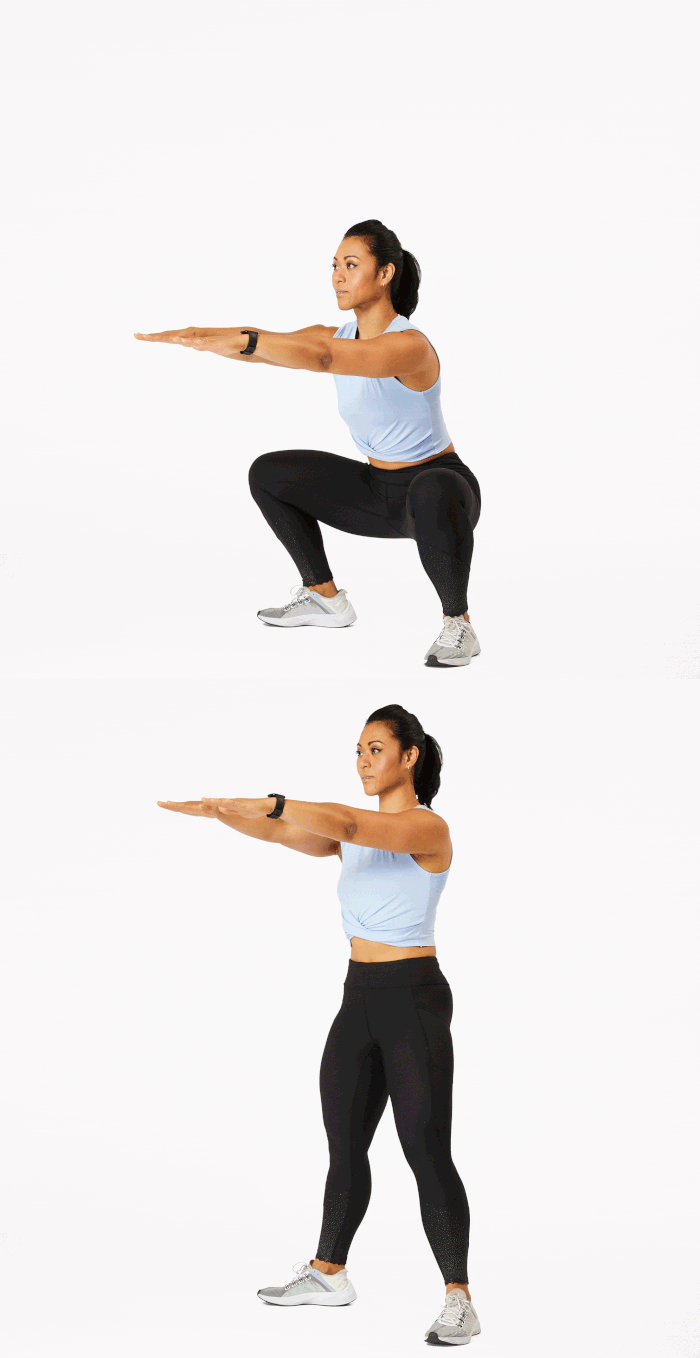
That is the target: hold a perfect 90-degree squat — thighs parallel to the ground, back straight, no support — for two full minutes.
Why does this matter? Because low strength relative to high strength carries approximately a 3.5x hazard ratio, meaning a 250% greater risk of all-cause mortality. And while grip strength is often used in large studies as a convenient metric, Attia’s team believes that lower body strength may be even more clinically relevant for aging populations.
The air squat test measures multiple physiological systems simultaneously:
- Quadriceps and gluteal endurance — critical for rising from a chair, climbing stairs, and getting off the toilet independently in old age
- Core stability — required to maintain posture without support
- Balance and proprioception — preventing falls, a leading cause of injury and death in older adults
- Pain tolerance and mental grit — the ability to push through muscular discomfort
For those who cannot yet hit the two-minute mark, Attia offers encouragement: these are “low hanging fruit.” The goal is not to shame anyone but to provide clear, actionable benchmarks. A 40-year-old man should aim for two minutes. Older individuals would have adjusted targets, as would younger individuals aiming higher.
The air squat test requires no equipment, no gym membership, and no special training. All it requires is a floor, a wall to check your angle, and a timer. And according to the data, your ability to hold that position may say more about your remaining years than almost any other single test.
Attia’s broader framework — what he calls the “Centenarian Decathlete” — includes many metrics. But the humble air squat stands out for its simplicity and accessibility. Before worrying about advanced supplementation, specialized diets, or expensive biohacking gadgets, Attia suggests a more fundamental question: How long can you hold a squat?
If the answer is less than two minutes, you have found your first training goal. And that goal, unlike so many in the health world, comes with a direct line to living longer.