
For many, the hardest habit to break isn’t the lack of exercise, but the “sugar crush” found in a daily bottle of soda or juice.
While the fitness world often debates the merits of various diets, a massive new study from the Harvard T.H. Chan School of Public Health suggests that the simplest path to long-term weight loss might be found in your choice of beverage.
However, the research also delivers a sobering reality: while diet drinks can help you shed pounds, they are far from a health “free pass.”
The Multi-Decade Weight Loss Map
To understand the impact of our drinking habits, researchers analyzed data from over 143,000 individuals across a span of up to 32 years. This long-term perspective allowed scientists to see how small, consistent changes influenced weight gain over four-year intervals.
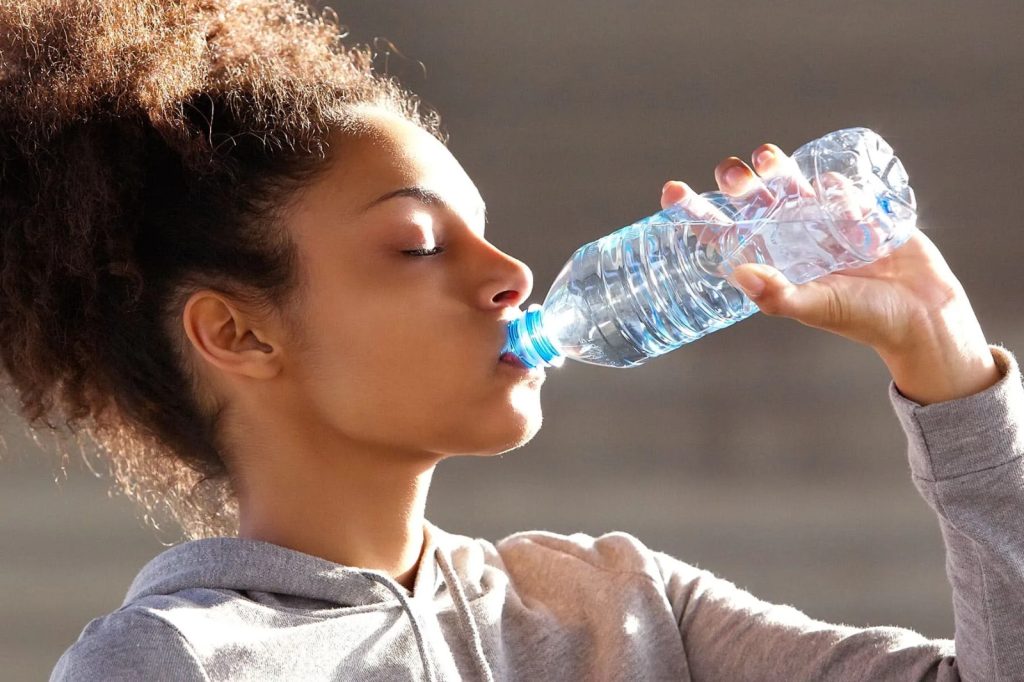
The findings were clear: replacing just three servings of sugary beverages a week with an artificially sweetened alternative was associated with a weight loss of 1.39 kilograms (roughly 3 pounds). While “diet” drinks proved effective as a tool for calorie reduction, the data showed that those who moved even further—replacing sugary drinks directly with water—saw the most significant long-term success.
The “Bridge” vs. The Destination
For the modern urban professional, often navigating a landscape of ultra-processed snacks and high-stress workdays, diet sodas often serve as a “bridge.” Experts note that for someone consuming high levels of sugar, switching to an artificially sweetened drink is a helpful intermediate step to wean the body off liquid calories.
“Introducing a calorie-free beverage to replace juice or soda results in weight loss because you’re consuming fewer calories,” explains Dr. Jonathan Long of Stanford University. However, the destination should always be plain water.
The Hidden Risks of the “Diet” Label
Despite the weight loss benefits, health experts remain cautious. Artificially sweetened beverages are still classified as ultra-processed. Dr. Mir Ali, a bariatric surgeon, warns that these sweeteners can alter the gut microbiome and potentially trigger insulin resistance—the very issues many people are trying to avoid by dieting.
Furthermore, there is a psychological trap. “Diet drinks deliver a high level of sweetness, potentially keeping cravings for sugar high,” says dietitian Kristin Kirkpatrick. This can lead to “appetite disruption,” where individuals eat more food because they feel they have “saved” calories on their drink.
Practical Sips for Better Health
If you’re looking to optimize your hydration for weight loss and longevity, consider these expert-backed strategies:
- The Transition Rule: Use diet drinks only as a temporary tool to step down from full-sugar sodas.
- The “Whole Food” Drink: Prioritize water, which provides hydration without the additives found in “zero-calorie” powders or cans.
- Focus on the Foundation: No beverage can outrun a poor diet. Keep meals close to their natural state—rich in colorful plants, lean proteins, and healthy fats.
Ultimately, weight loss is about more than just a number on the scale; it is about reducing inflammation and supporting your body’s natural systems. While a diet soda might help you lose weight, water is what will help you keep the health.