
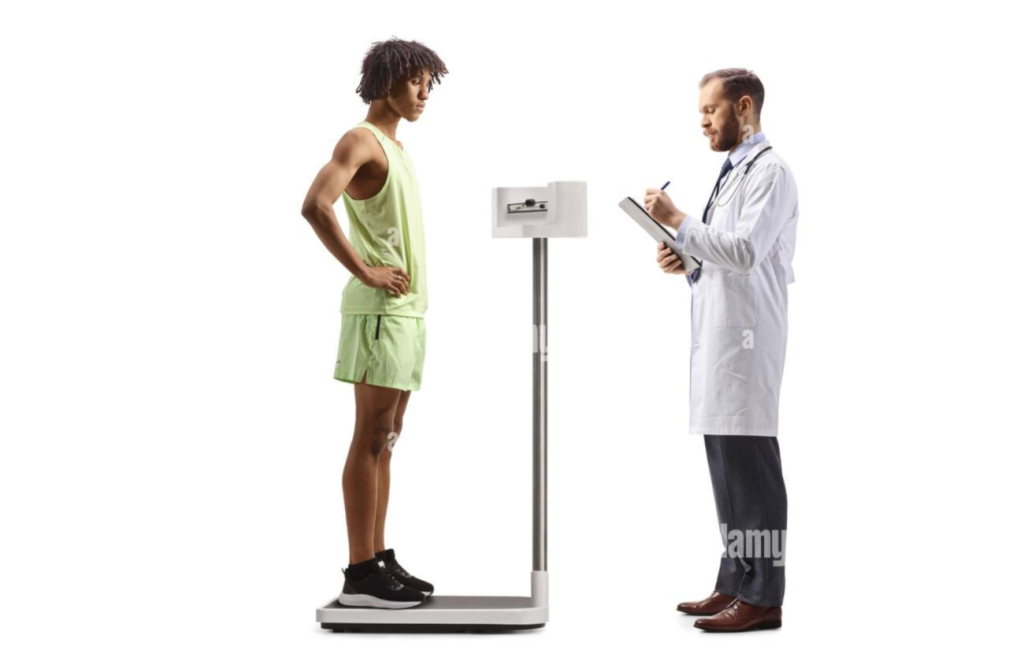
The number on the scale hasn’t moved — but your clothes fit better. That moment, often dismissed as frustration, is actually one of the clearest signs your body is changing in the right way.
For years, weight loss has been treated like a simple equation: eat less, move more, watch the scale drop. But health experts are shifting the conversation toward something more meaningful — body recomposition. It’s the process of losing fat while building lean muscle, and it doesn’t always show up dramatically on the scale.
Here’s why: muscle is denser than fat. So when you lose, say, 10 pounds of fat but gain five pounds of muscle, the scale only reflects a five-pound drop. To many people, that feels like slow progress. In reality, it’s a major win. Your body is becoming stronger, leaner, and more efficient.
In Ghana and beyond, this misunderstanding often leads people to panic. They cut calories too aggressively, double their cardio, or abandon strength training altogether. The result? Fatigue, muscle loss, and a body that becomes harder to maintain over time.
Strength training — whether it’s lifting weights at the gym, using resistance bands at home, or even bodyweight exercises like squats and push-ups — plays a crucial role here. It helps preserve and build muscle while your body burns fat. Pair that with balanced nutrition, and you create the conditions for sustainable change.
There’s also a confidence shift that comes with this approach. Instead of chasing a number, you begin to notice how your body feels: climbing stairs without losing breath, carrying groceries with ease, or simply feeling more comfortable in your clothes. These are the markers that matter.
The truth is, the scale tells only part of the story — and often the least important part. Real progress shows up in strength, energy, and how you carry yourself day to day.
So the next time your weight seems stuck, take a closer look. If your clothes fit better and you feel stronger, your body is doing exactly what it’s supposed to do.