
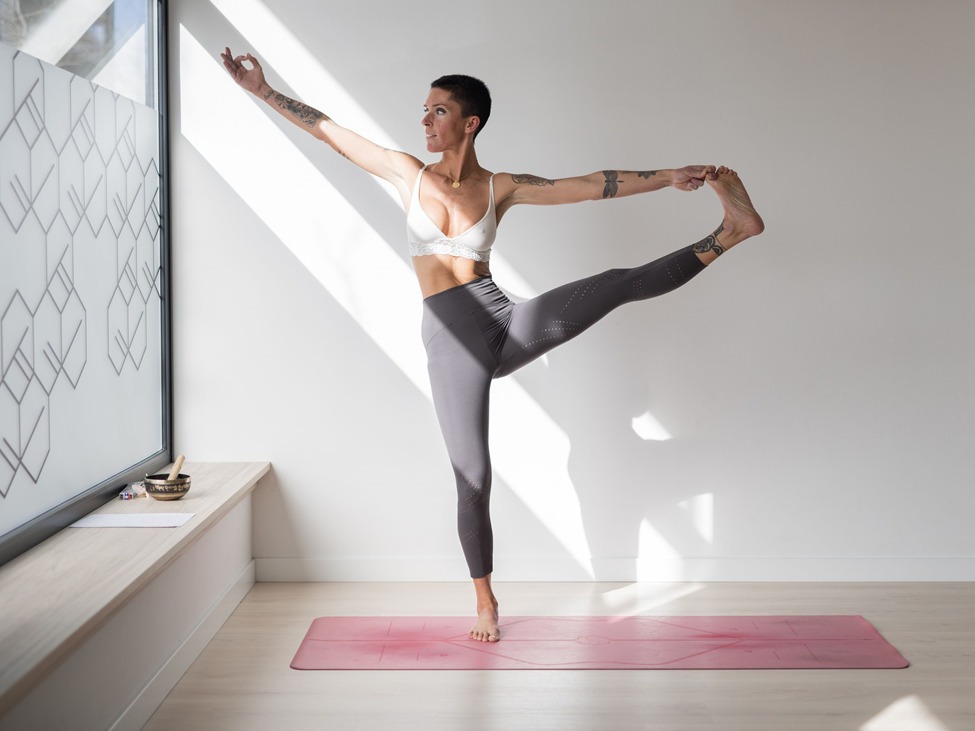
A 2024 study found that the ability to balance on one leg is one of the most powerful predictors of how well you’re aging. The good news? You can train it in under two minutes a day.
Two years ago, I couldn’t walk across a room without feeling like the floor was rocking beneath me. Constant vertigo, trouble standing with my eyes closed, and a genuine fear of simple movements became my daily reality. The culprit? A vestibular migraine. The solution? Balance exercises – the same ones that every adult, regardless of age or health status, should be doing.
Why Balance Declines – And Why It’s Dangerous
Balance relies on three internal systems: your inner ear (vestibular), your body’s movement sensors (somatosensory), and your vision. Ageing strains all three. Muscle strength drops, bone density decreases, and sedentary habits creep in.
The stakes are serious. “If you fall, you have a higher likelihood of a spine or hip fracture, which leads to a higher likelihood of mortality,” says Madison Oak, PT, DPT, a physical therapist specialising in vestibular disorders.
A 2024 study confirmed that single-leg standing ability declines significantly with age, making it a critical measurement of healthy ageing.

Nine Exercises You Can Do Anywhere
You don’t need a gym or special equipment. Perform these three times a week or daily. The secret? Anchor them to existing habits – while brushing your teeth, waiting for food to cook, or standing in a queue.
- Feet together stance (60 seconds). Stand barefoot with feet touching. Grab a wall or chair if needed. For a challenge, close your eyes or stand on a towel.
- Heel-toe standing (30–60 seconds per side). Place one foot directly in front of the other, heel to toes. Switch feet. Add head turns to simulate walking through a busy store.
- Tandem walking (30 seconds). Walk slowly in a straight line, placing heel to toe with each step. Focus on a point ahead.
- Single-leg stands (30–60 seconds per leg). Lift one foot. Can only hold 10 seconds? That’s still improving your fall risk. Close your eyes or lean slightly forward for more difficulty.
- Four-square step. Step forward, right, backward, left as quickly as you can. Repeat five times without looking at your feet.
- Stand without assistance (10 times daily). Rise from a chair without using your arms. Vary the height – low couch, high chair, even the floor.
- Walk on uneven surfaces (15–30 minutes daily). Grass, sand, or a hiking trail. All challenge your balance systems naturally.
- Calf raises. Do them while brushing your teeth. Stronger ankles mean better stability.
- Keep moving. Yoga, pilates, tai chi, strength training – any movement prevents the flexibility and muscle loss that accelerates balance decline.
When to Seek Help
Slight wobbling during these exercises is normal. But if you struggle significantly, or notice trouble walking in dim light, dizziness when looking up or down, or feeling “drunk” in busy spaces, see a physical therapist specializing in vestibular rehabilitation.
The bottom line
Balance is not a fixed trait – it’s a skill you can train. A few minutes daily, anchored to habits you already have, could save you from a life-altering fall. Start today. Your future self will thank you.