
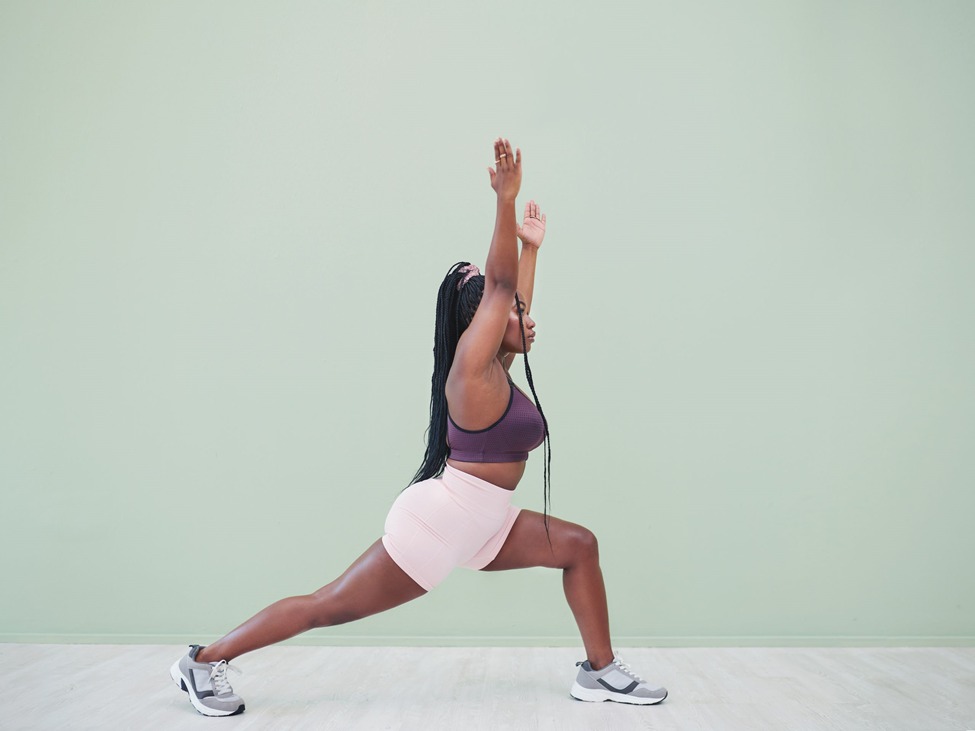
Your legs shake after a set of deep squats. Your chest burns from push-ups. No dumbbells in sight – but are you actually building strength?
For many Ghanaians working out at home or in local parks, calisthenics – exercises using only your bodyweight – is the most accessible form of resistance training. Air squats, lunges, push-ups, and dips require no equipment, no gym fees, and no travel. But a question nags: does it genuinely count as strength training, or is it just conditioning in disguise?
The short answer, according to exercise physiologists, is a definitive yes.
What Actually Defines Strength Training?
Strength training simply means contracting your muscles against a load, explains Susie Reiner, PhD, CSCS, of Seton Hall University. That load can be external – barbells, kettlebells, resistance bands – or it can be your own body weight working against gravity.
By that definition, calisthenics qualifies fully. “Hard yes,” says Ben Yamuder, CSCS, an exercise physiologist at Hospital for Special Surgery.
The Progressive Overload Problem
Here’s where caution enters. Muscles adapt quickly to demands. To grow bigger and stronger, you must continually increase intensity – a principle called progressive overload.
With calisthenics, you can absolutely progress: add more reps, slow down each movement to increase “time under tension,” or make exercises harder (single-leg squats instead of double-leg, elevated push-ups instead of floor push-ups).
But eventually, you hit a ceiling. Your bodyweight becomes too light to challenge certain muscles further. A former college athlete might plateau in weeks. An older adult new to exercise could benefit for “many, many” years, Yamuder says.
Legs plateau faster than upper body, because you walk on them daily. Air squats may feel easy within weeks, while push-ups could challenge you for months or years.
Beyond Pure Strength: Hidden Benefits
Even when calisthenics stops building maximum strength, it remains valuable. These movements mimic daily life – squatting like standing from the floor, pushing like opening a heavy door. That’s functional fitness that makes ordinary tasks easier.
Calisthenics also trains small stabiliser muscles critical for balance and posture. And for power training – moving load quickly – explosive bodyweight moves help preserve fast-twitch muscle fibers lost with age.
Practical Takeaways for Your Routine
If you’re new to strength training, start with calisthenics two to four times weekly. Perfect your form before ever touching a weight – that reduces injury risk when you eventually add external load.
Already lift weights? Keep calisthenics in rotation. They build stability in smaller supporting muscles that weights alone miss, and they’re excellent for returning from a training break.
One limitation: upper-body back and shoulders are hard to target with bodyweight alone. Pull-ups work but are advanced. Consider adding resistance bands or even a bag of rice or water container as makeshift weight for bent-over rows.
The bottom line
Calisthenics can take most people remarkably far for general health. But if your goal is maximum muscle and strength, eventually you will need external load. Use bodyweight intentionally, and it always has a place in your program.