
That idea quietly reshapes how we think about one of the most popular home remedies in Ghana and beyond. From fresh orange juice at breakfast to vitamin tablets picked up at the pharmacy in a hurry, many people turn to vitamin C the moment a scratchy throat appears. But the real story isn’t about last-minute fixes—it’s about what your body has been building all along.
Think of your immune system like a well-trained team rather than a fire brigade. It doesn’t suddenly become stronger when a cold arrives; it performs based on how it’s been supported over time. Vitamin C plays a steady, behind-the-scenes role here. As an antioxidant, it helps the body manage the stress caused by infections, while also supporting immune cells that fight off viruses. The catch? It works best when it’s part of your daily routine, not a reaction to symptoms.
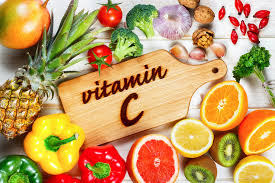
This is where everyday food matters. In Ghana, getting vitamin C doesn’t require expensive supplements. It’s already in the foods people enjoy—fresh oranges sold at traffic stops, pineapples sliced on street corners, kontomire stews rich with leafy greens. Add to that flavonoid-packed foods like onions, garden eggs, and berries, and you have a natural defence system built into your diet.
There’s also a cultural habit worth rethinking: waiting until you’re already sick before paying attention to nutrition. Research suggests that starting vitamin C after symptoms appear may do little to ease them. But consistent intake—through food or carefully guided supplements—can help reduce how severe those symptoms feel and how long they linger.
Of course, more isn’t always better. High doses of supplements can lead to stomach discomfort and other side effects, which is why balance matters just as much as consistency.
The takeaway is simple but easy to overlook: managing colds isn’t about chasing a cure. It’s about preparing your body quietly, day after day, so that when illness comes—as it always does—you’re ready for it.