
At some point, almost everyone blames their metabolism. It’s the quiet culprit behind stubborn weight, low energy, or that creeping softness around the waist.
But what if the real story isn’t about a “slow metabolism” at all—what if it’s about disappearing muscle?
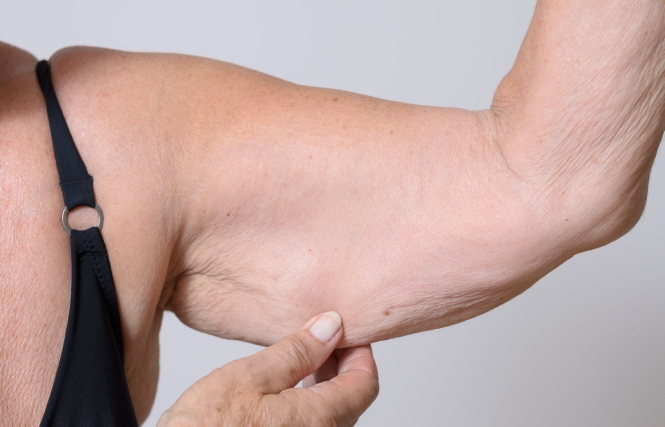
From your 30s onward, your body begins to shed muscle gradually, a process so subtle you barely notice—until everyday tasks feel heavier and your jeans fit differently.
Muscle isn’t just about strength or appearance; it’s metabolically active tissue. In simple terms, the more muscle you carry, the more energy your body uses, even at rest. Lose it, and your daily calorie burn quietly dips.
That’s where strength training steps in—not as a bodybuilder’s ritual, but as a practical tool for everyday health. In cities like Accra, where long work hours and traffic often mean less movement, resistance exercises can be a game changer.
You don’t need a fancy gym membership. Squats in your living room, push-ups by your bed, or resistance bands in a small space can begin to rebuild what time slowly takes away.
Interestingly, lifting weights won’t magically “supercharge” your metabolism overnight. The real benefit is more gradual and far more sustainable. By preserving and building muscle, you’re protecting your body’s natural engine.
Pair that with simple movement—walking to the trotro stop, taking the stairs, dancing at a weekend gathering—and the effect compounds.
There’s also a quiet psychological shift that happens. When people start strength training, they often become more aware of their bodies—not just how they look, but how they function. Carrying groceries feels easier.
Climbing stairs stops being a chore. Energy levels stabilize. These are the wins that rarely make headlines but shape daily life.
The obsession with “boosting metabolism” misses the bigger picture. Your body isn’t broken; it’s adaptive. Feed it well, challenge it consistently, and it responds.
So instead of chasing a faster metabolism, think of building a stronger one. Not through extremes, but through small, repeatable actions that keep your body capable, resilient, and ready for the long run.