
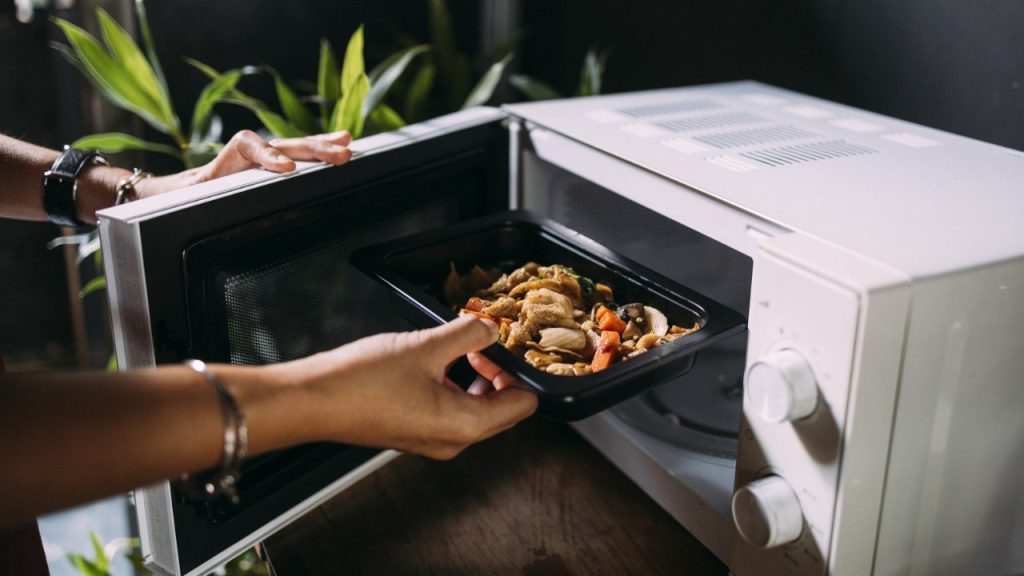
Leftovers can feel like a small victory at the end of a long day. After work, traffic, and household chores, opening the fridge to find a ready-made meal waiting can be a relief. But many people quietly wonder: how many times can you safely reheat the same food?
The idea that reheating resets the safety clock is common in kitchens around the world. Some believe that as long as leftovers are heated again before they spoil, the food remains safe indefinitely. Food safety experts say that assumption can be risky.
Foodborne illness is usually caused by pathogens—harmful bacteria, viruses, or parasites—that enter food during preparation or storage. According to microbiologists and food safety researchers, these microbes can appear through cross-contamination, poor hand hygiene, or contact between cooked food and surfaces that carry bacteria.
Once food has been cooked, the most critical moment begins: the cooling process. When food temperatures fall between about 40 and 140 degrees Fahrenheit (roughly 4 to 60 degrees Celsius), bacteria can multiply rapidly. Scientists often call this range the “temperature danger zone.”
In that zone, certain bacteria can double in number in as little as 20 minutes. The longer food remains there before refrigeration, the greater the risk that harmful microbes—and the toxins they produce—may develop.
Reheating can help, but it does not erase that risk. Heating leftovers to about 165°F (74°C) can kill many active bacteria. However, some toxins and spores are heat-resistant and may remain even after thorough reheating. Certain organisms commonly associated with food poisoning—such as bacteria that sometimes grow in cooked rice or meat dishes—can leave behind toxins that survive heat.
Another concern is the repeated cooling and reheating cycle. Each time leftovers are warmed and then allowed to cool again, they pass through the temperature danger zone once more. Over time, those cycles can increase the chances that bacteria will grow to unsafe levels.
Health experts generally recommend eating refrigerated leftovers within three to four days. Beyond that window, the likelihood of contamination rises even if the food still looks or smells acceptable.
For people juggling busy schedules—whether it’s office workers in Accra reheating lunch at work or families storing meals for the week—simple habits can significantly reduce risk. Cooling food quickly after cooking, storing it in shallow containers, and refrigerating it promptly are key steps. Instead of reheating the entire dish repeatedly, experts suggest warming only the portion you plan to eat.
Using a food thermometer can also help ensure leftovers reach safe temperatures throughout. If food smells sour, appears slimy, or shows discoloration, it is safer to discard it rather than take the chance.
Freezing offers another practical solution. Properly frozen leftovers can last much longer and avoid repeated reheating cycles.
Leftovers are meant to make life easier, not create uncertainty at the dinner table. With careful storage and reheating habits, they can remain both convenient and safe to enjoy.