Tag: 613.2

Could Your Fatigue Be Linked to a Lack of Sunlight?
Nutrition & Meal Planning

Could Your Fatigue Be Linked to a Lack of Sunlight?

For a country blessed with year-round sunshine, Ghana is quietly facing a surprising health problem: many people are not getting enough vitamin D. It sounds almost impossible. In cities like Accra, Kumasi, and Takoradi, the sun arrives early and lingers long into the evening. Yet doctors around the world are seeing more patients with fatigue, body aches, low mood, and weak bones linked to what experts call the “sunshine vitamin” deficiency. The modern lifestyle may be partly to blame. Many urban professionals now spend most of the day indoors — moving from air-conditioned bedrooms to cars, offices, shopping malls, and back home again with very little direct sunlight on their skin. Add sunscreen, heavy traffic that discourages walking, and long hours behind screens, and the body l...
The Sugar Trap: Why Cravings Keep Coming Back and How to Break the Cycle
Nutrition & Meal Planning

The Sugar Trap: Why Cravings Keep Coming Back and How to Break the Cycle

It starts innocently—a sweet pastry with your morning tea, a fizzy drink to push through the afternoon heat. But a few hours later, the craving returns, louder than before. For many people, sugar isn’t just a treat; it’s a cycle. What’s happening behind the scenes is less about willpower and more about biology. Sugary foods, especially refined carbohydrates, give a quick burst of energy. Your brain rewards you with feel-good chemicals, creating a momentary high. But that spike doesn’t last. Blood sugar drops just as quickly, leaving you tired, hungry, and reaching for the next fix. It’s a loop that quietly shapes daily eating habits. In Ghana, where sweetened drinks, pastries, and processed snacks are increasingly common, this cycle is easy to fall into. A bottle of soda here, a ...
Why Muscle Cramps Happen and What Your Body Is Trying to Tell You
Muscle Building & Strength Training

Why Muscle Cramps Happen and What Your Body Is Trying to Tell You

It usually strikes without warning—a sudden, sharp tightening in your calf that jolts you awake at night or stops you mid-step during a walk. For a few seconds, maybe longer, the muscle refuses to listen. Muscle cramps may be brief, but they have a way of getting your full attention. For many people, especially in warm climates like Ghana, cramps are often less about injury and more about what’s happening beneath the surface. Dehydration is a quiet but common trigger. When your body loses fluids through heat, sweating, or long days without enough water, your muscles struggle to function smoothly. Add low levels of key minerals like potassium or calcium, and the chances of cramping increase. But hydration is only part of the story. Modern routines play a role, too. Long hours seat...
Why Eating More Protein Might Be the Easiest Way to Control Your Appetite
Nutrition & Meal Planning

Why Eating More Protein Might Be the Easiest Way to Control Your Appetite

The promise sounds simple: eat more protein, feel less hungry, lose weight. For many people, that first week on a high-protein diet feels like a breakthrough—fewer cravings, smaller portions, and a sense of control that may have been missing before. But the real story isn’t just about eating more chicken or eggs. It’s about how protein quietly reshapes your relationship with food. Protein has a powerful effect on appetite. Unlike sugary snacks or refined carbs that spike and crash your energy, protein digests slowly, keeping you fuller for longer. That means fewer mid-morning cravings and less temptation to reach for quick, processed options. In a Ghanaian context, this shift can be as simple as adding beans to your rice, groundnuts to your porridge, or grilled fish to your plat...
Why “Lose Weight Fast” Might Be the Worst Advice You Follow
Weight Loss & Fat Burning

Why “Lose Weight Fast” Might Be the Worst Advice You Follow

 “Lose 10 pounds in 10 days.” It’s the kind of promise that spreads fast—on billboards, social media, even whispered between friends before a big event. And for many people, especially with weddings, reunions, or festive seasons on the horizon, the temptation is real. But behind the quick drop on the scale is a quieter story your body doesn’t advertise. Rapid weight loss often looks impressive at first. The number goes down, clothes feel looser, compliments start rolling in. But much of that early loss isn’t fat—it’s water, glycogen, and, more worryingly, muscle. And when muscle goes, your body pays attention. It responds by slowing things down, conserving energy like a phone on low battery. In places like Accra, where daily routines already stretch time and energy, extreme diet...
Why Your Metabolism Isn’t the Problem Your Muscle Might Be
Muscle Building & Strength Training

Why Your Metabolism Isn’t the Problem Your Muscle Might Be

At some point, almost everyone blames their metabolism. It’s the quiet culprit behind stubborn weight, low energy, or that creeping softness around the waist. But what if the real story isn’t about a “slow metabolism” at all—what if it’s about disappearing muscle? From your 30s onward, your body begins to shed muscle gradually, a process so subtle you barely notice—until everyday tasks feel heavier and your jeans fit differently. Muscle isn’t just about strength or appearance; it’s metabolically active tissue. In simple terms, the more muscle you carry, the more energy your body uses, even at rest. Lose it, and your daily calorie burn quietly dips. That’s where strength training steps in—not as a bodybuilder’s ritual, but as a practical tool for everyday health. In cities like ...
The Truth About Low-Carb Diets: What Happens After the Weight Loss
Nutrition & Meal Planning

The Truth About Low-Carb Diets: What Happens After the Weight Loss

For a while, cutting carbs felt like the smartest move on the plate. Skip the rice, avoid the yam, double the meat—watch the weight drop. It’s a script many people in Ghana and beyond have tried at some point. And yes, the scale often responds quickly. But what happens after those first few months is a story we don’t tell as often. Low-carb, high-protein diets gained popularity by promising fast results. They work, at least initially, because they quietly reduce how much you eat. Protein fills you up, appetite drops, and calories fall. But weight loss alone doesn’t tell the full health story. Beneath the surface, the body is adjusting in ways that aren’t always helpful long-term. Carbohydrates have been unfairly cast as the villain, yet they are the body’s preferred source of e...
A Handful a Day: Why Nuts and Seeds Are Small Foods With Big Impact
Nutrition & Meal Planning

A Handful a Day: Why Nuts and Seeds Are Small Foods With Big Impact

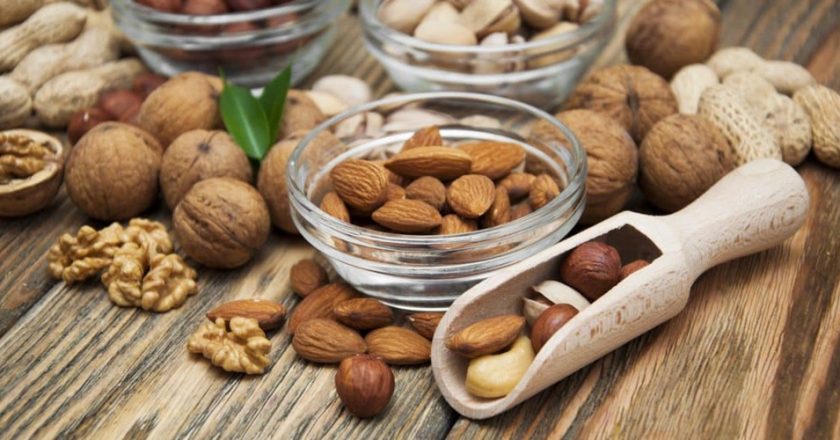
Long before calorie counts and diet trends, a handful of nuts could mean survival. Traders carried them across deserts, ancient texts praised them as royal food, and communities relied on them when crops failed. Today, that same handful—almonds, peanuts, sesame, or pumpkin seeds—might be one of the simplest ways to protect your heart. In kitchens across Ghana, nuts and seeds are already familiar. Groundnuts simmer into rich soups, sesame finds its way into snacks, and roasted seeds are sold on busy streets. Yet what often feels like a side ingredient is quietly one of the most powerful additions to a daily diet. The real story isn’t just about protein or healthy fats—though nuts have plenty of both. It’s how they work together. The oils in nuts, especially monounsaturated an...
The Missing Nutrient: What Every Vegetarian Should Know About Vitamin B12
Nutrition & Meal Planning

The Missing Nutrient: What Every Vegetarian Should Know About Vitamin B12

It often begins quietly—fatigue that lingers a little too long, a strange tingling in the fingers, a moment of forgetfulness that feels out of place. For many people embracing plant-based eating, these signs rarely point to diet at first. After all, cutting meat is widely seen as a healthier choice. But beneath the surface, one missing nutrient can slowly rewrite that story: Vitamin B12. Across cities like Accra and Kumasi, more people are turning to vegetarian or vegan lifestyles—for health, ethics, or cost. Plates filled with kontomire, beans, rice, and fresh vegetables look balanced and nourishing. Yet B12 sits outside this picture. Unlike most vitamins, it simply doesn’t exist in meaningful amounts in plant foods. That gap matters more than many realize. Vitamin B12 plays...
Sunshine and the Brain: Why Vitamin D Matters More Than You Think
Nutrition & Meal Planning

Sunshine and the Brain: Why Vitamin D Matters More Than You Think

It starts with something simple—stepping outside. Not for exercise, not for errands, just to feel the sun on your skin. In a country like Ghana, where sunlight is abundant year-round, it’s easy to assume we’re all getting enough of it. Yet a growing body of research suggests that even here, many people may be missing out on one quiet protector of brain health: Vitamin D. For years, vitamin D has been linked to strong bones and healthy teeth. Now, scientists are turning their attention to its role in the brain—particularly in reducing the risk of Dementia, including Alzheimer’s disease. It’s not a magic shield, but the connection is compelling enough to shift how we think about everyday habits. The reality is surprisingly modern. Urban living keeps many people indoors—offices, l...