Tag: Physical fitness and exercise

Walking vs Running: Which Is Better for Your Health? Experts Break It Down
Muscle Building & Strength Training

Walking vs Running: Which Is Better for Your Health? Experts Break It Down

For anyone trying to decide between lacing up for a run or stepping out for a brisk walk, the answer isn’t as simple as “faster is better.” Both forms of movement deliver powerful health benefits, but they shine in different ways—especially when time, joints, and long-term sustainability come into play. A recent deep dive from fitness experts highlights the real differences: Running burns more calories per minute (280–520 calories vs 100–200 for brisk walking), drives faster aerobic adaptations, and boosts cardiovascular fitness more intensely. It’s also highly accessible—humans are literally built to run long distances—and can be more motivating when done outdoors or in groups. However, it carries higher injury risk (knees, shins, ankles, lower back) if recovery, form, or strength ...
What Happens to Your Body When You Lift Weights Every Day?
Muscle Building & Strength Training

What Happens to Your Body When You Lift Weights Every Day?

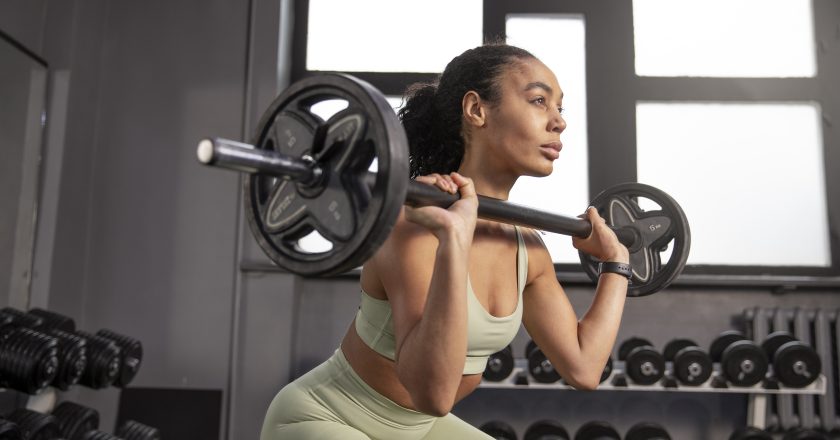
For fitness enthusiasts who love the iron, lifting weights daily can feel addictive—and for good reason. Resistance training builds strength, reshapes your body, protects joints, boosts mood, and helps you age stronger. But is every day the optimal approach? Health experts and recent research say consistency is powerful, yet daily heavy lifting comes with both impressive benefits and real risks. The Upsides of Daily Weight Training Faster Muscle Growth & Strength GainsFrequent stimulation causes repeated muscle fibre breakdown and repair, accelerating hypertrophy (muscle growth) and strength. Studies show that training the same muscle group 3–6 times per week can produce superior gains compared to once or twice weekly—especially for beginners and intermediate lifters. Imp...
Muscle Building & Strength Training, Personal Stories & Opinion

How Busy People Are Actually Making Time for Exercise – Real Tips from Busy People

Finding time to exercise can feel impossible when work, family, meetings, and daily life compete for every minute. But editors at Healthline (health and fitness curators) —who juggle deadlines, kids, remote work, and everything in between—have figured out practical ways to fit movement in without overhauling their schedules. Here are the real-life strategies they shared for squeezing in physical activity, even on the busiest days: Become a Morning Person (When It Works)One editor starts at 6 a.m. because afternoons and evenings often get derailed by fatigue, social plans, or laziness. Another treats a 7:45–8:45 a.m. gym session or fitness class as non-negotiable—like eating or sleeping—and adds a 30-minute outdoor walk (or walking pad indoors) during lunch. Turn Work-from-Home Me...
A Comprehensive Guide: How to Use a Vibration Plate for Better Fitness Results
Muscle Building & Strength Training, Weight Loss & Fat Burning

A Comprehensive Guide: How to Use a Vibration Plate for Better Fitness Results

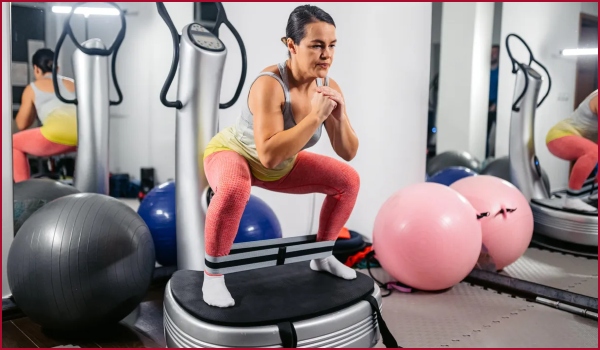
Vibration plates—those buzzing platforms you’ve seen in gyms or online—are gaining popularity as a low-impact way to boost workouts, aid recovery, and support overall fitness goals. Originally invented in the late 1890s, these machines send rapid vibrations (usually 20–50 Hz) through your body, causing involuntary muscle contractions that can enhance strength, circulation, balance, and even bone density. Here’s a clear, expert-backed guide on how to use a vibration plate safely and effectively, based on recommendations from fitness professionals and research. What Is a Vibration Plate? A vibration plate is a flat platform that oscillates at high frequency, causing your muscles to contract and relax dozens of times per second. You stand, sit, or perform exercises on it while ho...
7 Proven Ways to Track Your Weight Loss Progress (Beyond the Scale)
Weight Loss & Fat Burning

7 Proven Ways to Track Your Weight Loss Progress (Beyond the Scale)

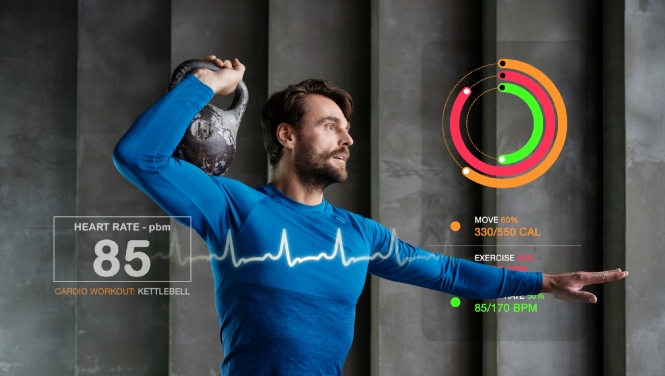
If you’re working toward weight loss or body composition goals, the number on the scale can feel like the ultimate judge—but it’s far from the whole story. Muscle gain, water retention, hormonal fluctuations, and even the time of day can make daily weigh-ins misleading or discouraging. Sleep experts, registered dietitians, and certified trainers agree: sustainable progress is best measured with a combination of methods that capture changes in body fat, strength, measurements, and how you feel and perform. Here are 7 reliable, expert-backed ways to track weight loss progress more accurately and stay motivated, adapted from recommendations by Verywell Fit and leading fitness professionals. 1. Take Weekly Body Measurements Use a flexible measuring tape to track circumference at key p...