
Nutrition experts agree on one thing: most people need more fiber in their diets. Yet many who attempt to increase their intake quickly discover an uncomfortable reality—too much fiber too soon can leave them bloated, gassy, and reaching for relief.
That challenge has sparked growing interest in a strategy known as “fiber training,” a gradual approach to increasing fiber intake that helps the digestive system adapt without the unpleasant side effects.
As gut health becomes a central topic in global wellness discussions, fiber training is emerging as a practical solution for people trying to build healthier diets without disrupting their daily routines.
Why Fiber Matters More Than Ever
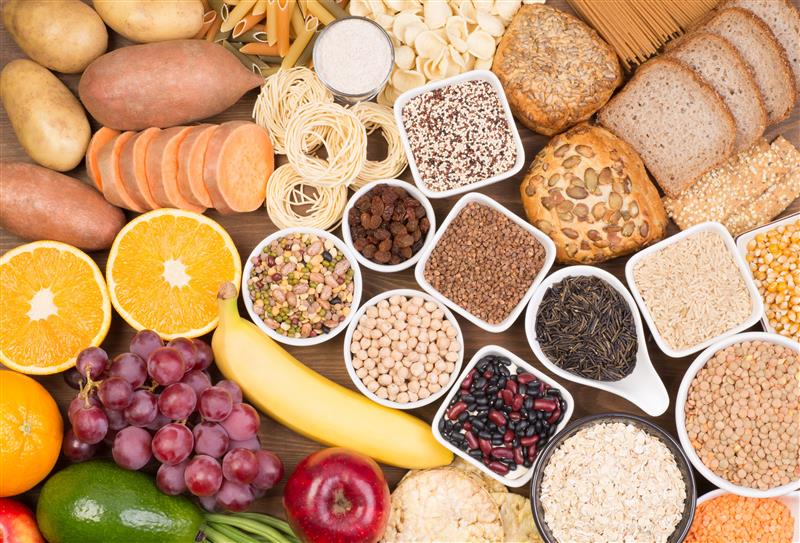
Fiber, found in plant foods such as fruits, vegetables, legumes, nuts, seeds, and whole grains, plays a critical role in digestion and overall health. It supports regular bowel movements, feeds beneficial gut bacteria, and helps regulate blood sugar and cholesterol levels.
Yet despite these benefits, nutritionists say fiber remains one of the most overlooked nutrients in modern diets. Busy schedules, processed convenience foods, and desk-based work lifestyles often mean people consume far less fiber than recommended.
When individuals attempt to correct that imbalance—sometimes after reading about the benefits online—they often increase their intake dramatically. That sudden shift can overwhelm the digestive system.
Fiber is not digested by the body in the same way as other carbohydrates. Instead, it travels to the colon, where gut bacteria ferment it. When too much fiber arrives at once, that fermentation process can produce uncomfortable symptoms such as bloating, stomach cramps, and excess gas.
What Is Fiber Training?
Fiber training is a simple concept: gradually increasing fiber intake so the gut microbiome has time to adjust.
Nutrition experts often compare it to building physical fitness. Just as someone wouldn’t attempt to run a marathon without training, the digestive system needs time to adapt to larger amounts of fiber.
By increasing fiber slowly and consistently, the body becomes more efficient at processing it, reducing the likelihood of digestive discomfort.
This approach is especially important for people who already experience constipation. Adding large amounts of fiber to an already sluggish digestive system can worsen the problem, creating what some specialists describe as a “traffic jam” in the gut.
How to Start Fiber Training
Experts suggest beginning with small increments—typically adding three to five grams of fiber at a time. Foods that naturally contain this amount include:
- One apple
- Half a cup of chickpeas
- A tablespoon of chia seeds
- Two tablespoons of ground flaxseed
The idea is to introduce one additional fiber-rich food daily and maintain that level for several days until the digestive system adjusts. This process may take around five to seven days, though individual tolerance varies.
Once the body adapts, another small fiber source can be added. Gradually, this process helps people reach recommended daily targets, which generally range from 22 to 38 grams per day depending on age and gender.
For people with sensitive digestion, low-FODMAP fiber sources—such as kiwi fruit—may be easier to tolerate during the early stages.
Hydration also plays a critical role. Fiber absorbs water to soften stool and promote smooth digestion, meaning insufficient fluid intake can actually worsen constipation.
A Sustainable Approach to Better Digestion
Ultimately, fiber training offers a practical pathway toward a healthier diet without the discomfort that sometimes discourages people from sticking with it.
Rather than rushing the process, nutrition experts emphasize patience and consistency. By allowing the digestive system to adapt gradually, individuals can strengthen their gut health over time—without the awkward side effects that often accompany sudden dietary changes.