
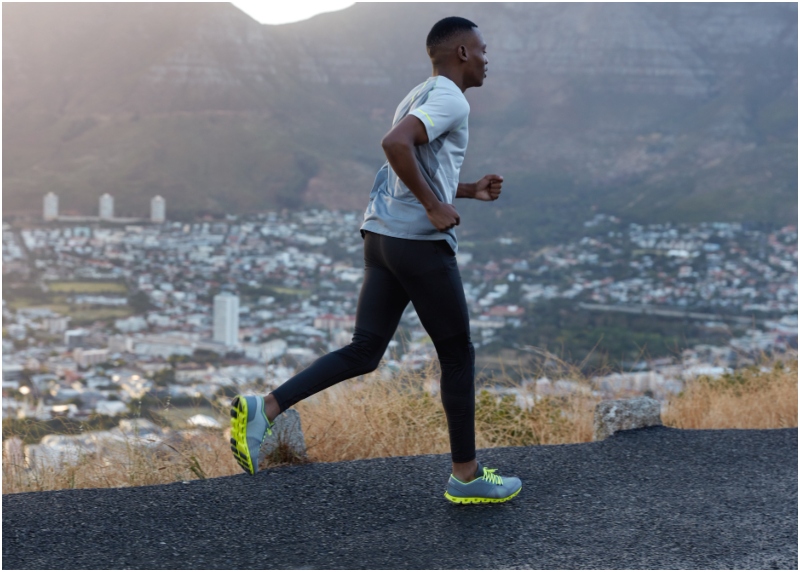
If the idea of continuous running leaves you exhausted or discouraged after just a few minutes, you’re not alone — and you may not need to force yourself to run without stopping.
A popular technique called “Jeffing” (also known as the run-walk-run method) is gaining attention among fitness experts as an effective, approachable way to reap the full benefits of running without the common frustrations or injuries.
Jeffing involves intentionally alternating between periods of running and walking throughout a workout or race. Unlike stopping because you’re out of breath, these walk breaks are planned in advance, typically starting early in the run, to conserve energy, reduce fatigue, and extend endurance.
The Man Behind the Method

The technique is named after Jeff Galloway, a U.S. Olympian who competed in the 1972 Munich Olympics. Galloway popularized the run-walk-run strategy to help runners of all levels go farther, feel stronger, recover faster, and — most importantly — enjoy the sport more while lowering injury risk.
How Jeffing Works
The run-to-walk ratio is customized to your current fitness level and goals:
- Beginners might start with 1 minute running followed by 4 minutes walking, repeating until they reach their target distance.
- As fitness improves, the balance gradually shifts — for example, to 2 minutes running and 3 minutes walking, eventually moving toward longer running segments and shorter walks.
- Experienced runners and even elite athletes use Jeffing during races, especially on hills or later stages, to manage energy and prevent burnout.
Exercise physiologists say the key is switching to walking before you become overly fatigued, which allows your body to recover oxygen, clear lactate, and lower core temperature.
Surprising Benefits of Jeffing
Experts highlight several advantages of the run-walk method:
- Reduced injury risk: Walking intervals lower impact on joints and muscles, helping prevent common issues like shin splints, runner’s knee, and IT band syndrome.
- Better endurance: By giving your heart and lungs brief recovery periods, you can cover longer distances overall.
- Faster recovery: Reduced muscle stress often leads to less post-workout soreness and quicker bounce-back.
- Mental boost: The method makes running less intimidating and more enjoyable, which helps combat exercise anxiety and improves long-term adherence.
- Similar health gains: Studies, including one on marathoners, show that run-walk participants experience comparable cardiorespiratory benefits to continuous runners but report less pain and discomfort.
“Continuous running isn’t the only way to get fit,” notes Dr. John Vasudevan of Penn Medicine’s running program. “The best way to train for a distance is simply to cover that distance — even if it includes walking.”
Who Should Try Jeffing?
Jeffing is suitable for everyone — from complete beginners and people returning to running after a break, to marathoners and ultra-runners. It’s especially helpful for those with joint concerns, older adults, or anyone who has previously felt discouraged by traditional running.
Tips to Get Started Safely:
- Get cleared by a sports medicine doctor if you have any underlying health conditions.
- Invest in proper running shoes suited to your gait and foot mechanics.
- Plan your intervals before each run so you switch proactively.
- Start conservatively and gradually increase running time as your fitness improves.
- Track how you feel to fine-tune your personal ratio.
Whether your goal is weight management, heart health, or simply enjoying movement, Jeffing offers a smart, science-backed way to make running work for you — not against you. Lace up, plan your intervals, and discover how far strategic walking can take you.