Muscle Building & Strength Training

Surprising Signs Your Body Is Building Muscle
Muscle Building & Strength Training

Surprising Signs Your Body Is Building Muscle

Muscle growth rarely announces itself with a dramatic moment. There’s no drumroll in the gym when your body begins to adapt to heavier lifts or longer training sessions. Instead, the signs can show up in ways that feel surprisingly ordinary — a restless night, a sudden wave of hunger, or a number on the scale that refuses to move. For people who strength train consistently, these small signals often mean the body is quietly building muscle behind the scenes. Your Appetite Suddenly Feels Bottomless One of the most common surprises for people lifting weights regularly is an increase in hunger. Muscle tissue is metabolically active, which means it requires energy even when you’re resting. When your body starts repairing and building muscle fibers after workouts, it needs extra cal...
10 Exercises That Enhance Sexual Performance in Men
Muscle Building & Strength Training

10 Exercises That Enhance Sexual Performance in Men

Regular exercise offers far more benefits than just physical fitness — it can also play a significant role in improving sexual health and performance in men. From building endurance and core strength to increasing flexibility and pelvic control, targeted exercises help support better blood flow, stamina, and overall sexual function. Here are 10 science-backed exercises that can enhance sexual health in men: Strength-Building Exercises These movements improve muscular endurance, core stability, and overall power — all of which contribute to longer, more satisfying sexual activity. Biceps Exercises (Weightlifting, Pull-ups, Bench Press)Strong biceps improve lifting, pulling, and upper-body control, adding confidence and ease during intimate moments. Triceps Exercises (...
3 Posture Fixes That Can Reduce a Stubborn Lower Belly Pouch
Muscle Building & Strength Training

3 Posture Fixes That Can Reduce a Stubborn Lower Belly Pouch

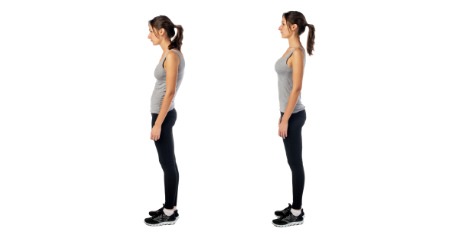
Many people assume that a small pouch in the lower belly is simply stubborn fat. They diet harder, add more cardio, or perform endless abdominal exercises, hoping the area will shrink. But in many cases, that lower belly protrusion is not just about body fat. It can also be influenced by posture, muscle imbalance, and the position of the hips and pelvis. When the body falls out of alignment—often due to long hours of sitting or weak core and glute muscles—the hips can tilt forward. This posture, known as anterior pelvic tilt, pushes the lower abdomen outward, making the belly appear larger than it actually is. The good news is that targeted strength and mobility work can help correct this imbalance. Strengthen the Glutes to Pull the Hips Back The glutes are among the most pow...
Train for Life, Not Just Looks
Muscle Building & Strength Training

Train for Life, Not Just Looks

Walk into most gyms, and you will see people chasing a familiar goal: a leaner waistline, bigger arms, or a body ready for the beach. But beneath the mirrors and muscle poses lies a more powerful reason to exercise—preparing your body for everyday life. The most effective training programs are not built around aesthetics alone. They are built around movements that help you sit, stand, lift, carry, and move with strength and confidence. When you train with that mindset, the benefits go far beyond appearance. Squats Build Everyday Strength The squat is often called the king of exercises, and for good reason. At its core, the squat mirrors one of the most common movements humans perform: getting up from a chair. Every time you stand up from your sofa, rise from your office chair,...
Exercise Triggers Release of Powerful Brain-Boosting Protein, New Study Reveals
Muscle Building & Strength Training

Exercise Triggers Release of Powerful Brain-Boosting Protein, New Study Reveals

Regular physical exercise doesn’t just strengthen the body — it also triggers the release of a key brain-boosting protein that supports cognitive health, memory, and overall brain function, according to new research. The study, highlighted by U.S. News & World Report on March 16, 2026, shows that exercise stimulates the production and release of brain-derived neurotrophic factor (BDNF), a protein often described as “Miracle-Gro for the brain.” BDNF plays a critical role in the growth, maintenance, and survival of neurons, as well as in the formation of new neural connections (neuroplasticity). Researchers found that both aerobic exercise (such as running, cycling, or brisk walking) and resistance training significantly increase circulating levels of BDNF. The effect appears p...
Brief Intense Exercise Beats Relaxation for Quick Panic Relief, Study Finds
Muscle Building & Strength Training

Brief Intense Exercise Beats Relaxation for Quick Panic Relief, Study Finds

When a panic attack strikes, a short burst of intense exercise may provide faster and more effective relief than traditional relaxation techniques, according to new research. A study published in the journal Depression and Anxiety found that participants who engaged in brief, high-intensity physical activity during the early stages of a panic attack experienced significantly quicker reduction in symptoms compared to those who used breathing exercises or progressive muscle relaxation. The research involved adults with panic disorder who were instructed to either perform a short bout of vigorous exercise (such as jumping jacks, burpees, or running in place for 2–5 minutes) or practise standard relaxation methods when they felt a panic attack beginning. Those in the exercise group repor...
The Simple Calf Exercise That Could Help Control Your Blood Sugar After Meals
Muscle Building & Strength Training

The Simple Calf Exercise That Could Help Control Your Blood Sugar After Meals

Imagine lowering your blood sugar spike after a meal—not with a complicated workout or expensive equipment, but with a simple movement you can do while sitting. New research suggests that a small muscle in your calf may hold surprising power when it comes to managing blood glucose levels. Health experts are increasingly paying attention to the soleus muscle, a deep muscle located in the calf. When activated in a specific way, it can help pull glucose from the bloodstream, potentially reducing the sharp rise in blood sugar that often occurs after eating. While walking remains one of the most effective ways to manage post-meal blood sugar, this lesser-known calf exercise may offer an additional tool—especially for people who spend long hours sitting. Here are three key insights about h...
Reasons Women Should Focus on Strength Instead of Getting Smaller
Muscle Building & Strength Training

Reasons Women Should Focus on Strength Instead of Getting Smaller

For decades, many women have been told that the ultimate fitness goal is to get smaller—smaller waist, slimmer arms, lighter weight on the scale. But health experts are increasingly challenging that idea. The real goal, they argue, should not be to shrink your body but to strengthen it. Muscle, it turns out, may be one of the most important investments women can make in their long-term health. As women age, biological changes begin to affect muscle growth and strength. Understanding these changes—and responding to them with the right nutrition and exercise—can make a powerful difference not just in how the body looks, but in how it functions for decades to come. Here are three key insights every woman should know about muscle, aging, and nutrition. 1. After 35, Muscle Growth Becom...
Smart Ways to Choose the Right Weight at the Gym
Muscle Building & Strength Training

Smart Ways to Choose the Right Weight at the Gym

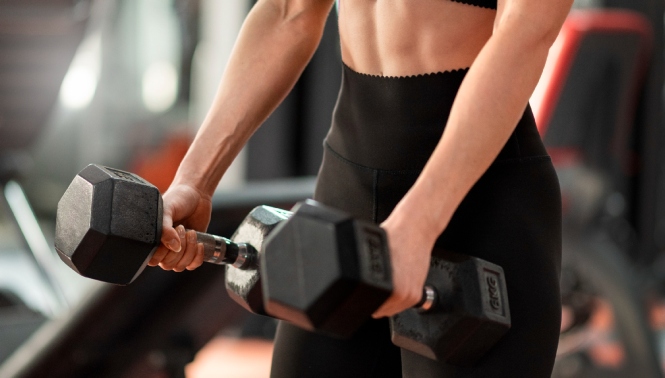
Walk into almost any gym, and you’ll see it happen: someone grabs a pair of dumbbells, performs a few reps, pauses, and wonders whether the weight is too light or far too heavy. For many beginners—and even some experienced lifters—choosing the right weight can feel like a guessing game. But according to seasoned gym-goers with years of training experience, there’s a simple system that removes the uncertainty and helps you train smarter. Instead of randomly testing weights, the key is to follow a structured approach that allows your body to guide the process. Here are three practical lessons that can help anyone—from first-time gym users to regular lifters—figure out exactly how heavy they should be lifting. 1. Use the 8–12 Rep Rule as Your Guide If you don’t have a highly spec...
3 Ways Lifting Heavy Weights Can Make Your Brain Younger
Muscle Building & Strength Training

3 Ways Lifting Heavy Weights Can Make Your Brain Younger

Many people walk into the gym thinking about stronger arms, toned legs, or weight loss. But what if lifting heavy weights could also make your brain younger? New research suggests that strength training may do far more than sculpt muscles—it might actually slow the aging of the brain. A recently published randomized controlled trial in Jiro Science followed 309 healthy adults aged 62 to 70 to explore how resistance training affects brain aging. The findings were striking: people who consistently lifted heavy weights didn’t just get stronger. Their brains appeared biologically younger. Here are three key insights from the study that could change the way you think about strength training. 1. Heavy Lifting May Slow Brain Aging Researchers divided participants into three groups. On...