Nutrition & Meal Planning

The Professional’s Pantry: Strategic Superfoods to Combat Sedentary Work Hazards
Nutrition & Meal Planning

The Professional’s Pantry: Strategic Superfoods to Combat Sedentary Work Hazards

In the world of modern wellness, the word "superfood" is often tossed around with the same fervor as a religious incantation. We are told that a single berry or a specific root holds the secret to immortality, yet the uncomfortable truth is that the term was born in a marketing boardroom, not a laboratory. While no single ingredient can act as a silver bullet for health, there is a growing consensus among nutritionists that certain "powerhouse" foods—many of which are already staples in Ghanaian markets—provide a significant edge in the fight against chronic disease. The Myth and the Motivation As urban lifestyles in cities like Accra and Kumasi become increasingly sedentary, dominated by long hours behind screens and the convenience of processed snacks, the quest for "super" nutr...

Stanford Scientists Discover “Natural Ozempic” That May Deliver Weight Loss Without Common Side Effects
Nutrition & Meal Planning

Stanford Scientists Discover “Natural Ozempic” That May Deliver Weight Loss Without Common Side Effects

Researchers at Stanford Medicine have identified a naturally occurring peptide that mimics the appetite-suppressing and weight-loss effects of Ozempic (semaglutide) while appearing to avoid many of its unpleasant side effects. The molecule, named BRP (BRINP2-related peptide), significantly reduced food intake and promoted fat loss in animal studies without causing nausea, constipation, slowed digestion, or muscle loss — common complaints among users of GLP-1 medications. A More Targeted Approach to Appetite Control Unlike semaglutide, which activates receptors throughout the body (including the gut and pancreas), BRP appears to act more selectively in the hypothalamus — the brain region responsible for regulating hunger and metabolism. "The receptors targeted by semaglutide ar...
How to Navigate the Grocery Store for Peak Heart Health
Nutrition & Meal Planning

How to Navigate the Grocery Store for Peak Heart Health

The grocery store is often viewed as a place of routine chore, but for the modern professional, it is increasingly becoming the front line of a silent battle. In an era of high-pressure office environments and the sedentary nature of digital life, our hearts are under more strain than ever. Yet, the most powerful tool for cardiovascular longevity isn’t found in a pharmacy—it is sitting in your shopping trolley. The Modern Heart Under Pressure Cardiovascular health remains a global concern, but for many in rapidly urbanizing regions like Ghana, the shift toward processed, high-sodium "convenience" foods has accelerated heart-related risks. Long commutes and desk-bound roles often lead us toward the center aisles of the supermarket, where refined sugars and shelf-stable fats reside...
Discover Why Bread and Carbs Can Cause Weight Gain Even Without Extra Calories
Nutrition & Meal Planning

Discover Why Bread and Carbs Can Cause Weight Gain Even Without Extra Calories

A new study from Osaka Metropolitan University has challenged conventional thinking about carbohydrates, revealing that staple foods like bread, rice, and wheat may promote weight gain and increased body fat not by encouraging overeating, but by significantly slowing down the body’s energy expenditure. In carefully controlled experiments, researchers observed that mice strongly preferred carbohydrate-rich foods over their standard chow, eventually abandoning the regular diet altogether. Even when total calorie intake did not increase substantially, the mice consuming bread, wheat flour, or rice flour experienced notable gains in body weight and fat mass. The effect was consistent across both normal and high-fat diet groups, suggesting the weight gain was driven by metabolic shifts r...
Fiber Training: Why Slowly Increasing Fiber May Be the Key to Better Gut Health
Nutrition & Meal Planning

Fiber Training: Why Slowly Increasing Fiber May Be the Key to Better Gut Health

Nutrition experts agree on one thing: most people need more fiber in their diets. Yet many who attempt to increase their intake quickly discover an uncomfortable reality—too much fiber too soon can leave them bloated, gassy, and reaching for relief. That challenge has sparked growing interest in a strategy known as “fiber training,” a gradual approach to increasing fiber intake that helps the digestive system adapt without the unpleasant side effects. As gut health becomes a central topic in global wellness discussions, fiber training is emerging as a practical solution for people trying to build healthier diets without disrupting their daily routines. Why Fiber Matters More Than Ever Fiber, found in plant foods such as fruits, vegetables, legumes, nuts, seeds, and whole grains...
Fiber vs. Probiotics: Which One Really Supports Better Gut Health?
Nutrition & Meal Planning

Fiber vs. Probiotics: Which One Really Supports Better Gut Health?

For years, probiotics dominated the gut health conversation, appearing in supplements, yogurts, and wellness trends promising a healthier digestive system. But a new nutritional star is taking centre stage: fiber. Across health circles and supermarket shelves, “fibermaxxing” is emerging as the latest wellness trend, with nutrition experts highlighting its powerful impact on digestion, metabolism, and overall health. While probiotics remain popular, many specialists now say the foundation of good gut health begins somewhere simpler—on the plate. The Growing Focus on Gut Health Interest in digestive health has surged in recent years as scientists uncover the vital role of the gut microbiome—the trillions of bacteria living in the digestive tract—in everything from immunity to mental...
Which Running Metric Actually Leads to Better Results?
Nutrition & Meal Planning

Which Running Metric Actually Leads to Better Results?

For many runners, the daily training ritual begins not with a step, but with a decision: am I running until the watch hits 40 minutes, or until the GPS marks five kilometers? While it seems like a simple choice of measurement, the distinction between training for time versus distance is the thin line between a sustainable fitness journey and an early onset of burnout. In the rapidly evolving fitness landscape of Accra and beyond—where professionals juggle high-pressure desk jobs with the desire for peak physical health—the "mileage-first" approach has long dominated. Influenced by generic internet plans, beginners often fixate on hitting specific distance milestones to prepare for 5Ks or marathons. However, as modern sports science and coaching suggest, the clock might be a more forgivi...
Not All Carbs Are Bad: 12 High-Carb Foods That Support Better Health
Nutrition & Meal Planning

Not All Carbs Are Bad: 12 High-Carb Foods That Support Better Health

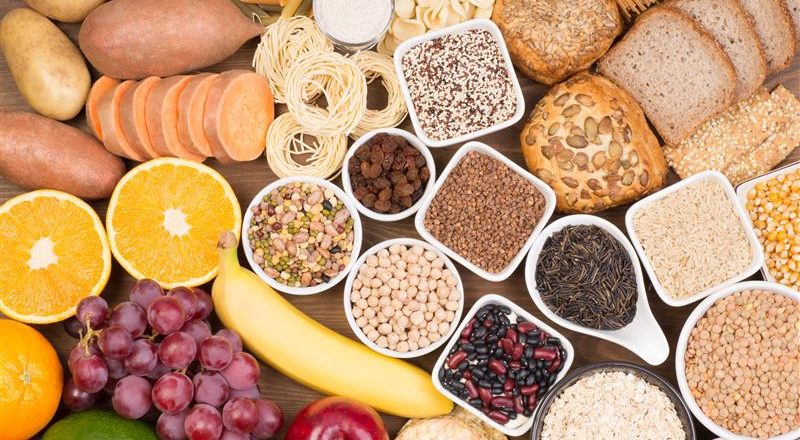
Carbohydrates have long been cast as the villain of modern diets—but nutrition experts say the real story is far more nuanced. From keto trends to low-carb meal plans, many people have grown wary of carbohydrates, often linking them to weight gain and chronic conditions like type 2 diabetes. Yet emerging research and dietary guidance continue to highlight a different reality: not all carbs are created equal, and many high-carb foods are among the most nutritious options available. Rethinking the role of carbohydrates Carbohydrates are the body’s primary source of energy, especially important for brain function and physical activity. The problem, experts say, lies less with carbs themselves and more with the type being consumed. Highly processed foods—such as sugary drinks, ...
“Boring” but Beneficial: Why Eating the Same Meals Helps You Lose Weight
Nutrition & Meal Planning

“Boring” but Beneficial: Why Eating the Same Meals Helps You Lose Weight

For many, the most exhausting part of a weight loss journey isn’t the time spent at the gym, but the "decision fatigue" that happens in the kitchen. Between counting macros and scouring the internet for new healthy recipes, the mental load of dieting often leads to burnout. However, new research suggests that the secret to a leaner physique might not be more variety, but less. A study recently published in the journal Health Psychology suggests that embracing a "boring" diet—repeating the same nutrient-dense "go-to" meals—could be the missing link for sustainable weight loss. The Power of the "Go-To" Meal The study monitored 112 adults with overweight or obesity over a 12-week behavioral weight loss program. Participants used mobile apps to log every morsel of food and wireles...
Is Intermittent Fasting Overrated? Why Experts Say Your Food Quality Still Matters Most
Nutrition & Meal Planning

Is Intermittent Fasting Overrated? Why Experts Say Your Food Quality Still Matters Most

For many, the appeal of intermittent fasting lies in its simplicity: don't worry about what you eat, just worry about when you eat. It is a philosophy that has dominated social media feeds and gym locker room talk for years. But a comprehensive new review of evidence suggests that when it comes to long-term weight loss, the clock may be running out on the intermittent fasting hype. The Hype vs. The Evidence A major review published in the Cochrane Database of Systematic Reviews has found that intermittent fasting is no more effective for weight loss than traditional dieting or standard nutritional advice. After analyzing 22 randomized clinical trials involving nearly 2,000 adults worldwide, researchers concluded that the practice often results in "little to no difference" in ...