Nutrition & Meal Planning

7 Kitchen Staples That Stop Muscle Soreness Fast
Nutrition & Meal Planning

7 Kitchen Staples That Stop Muscle Soreness Fast

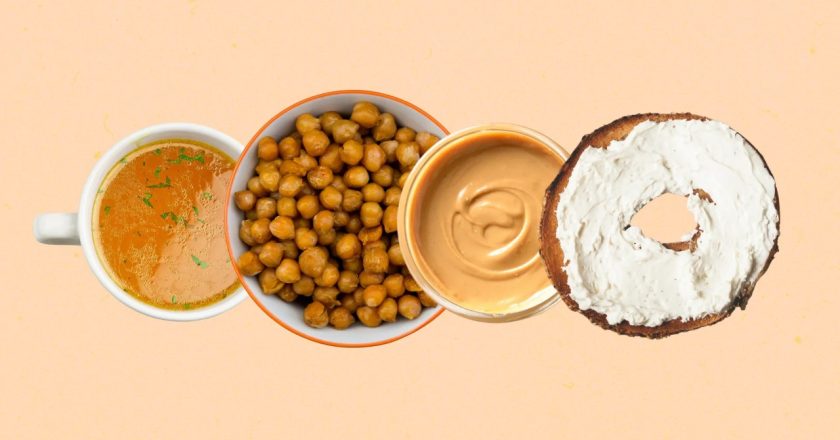
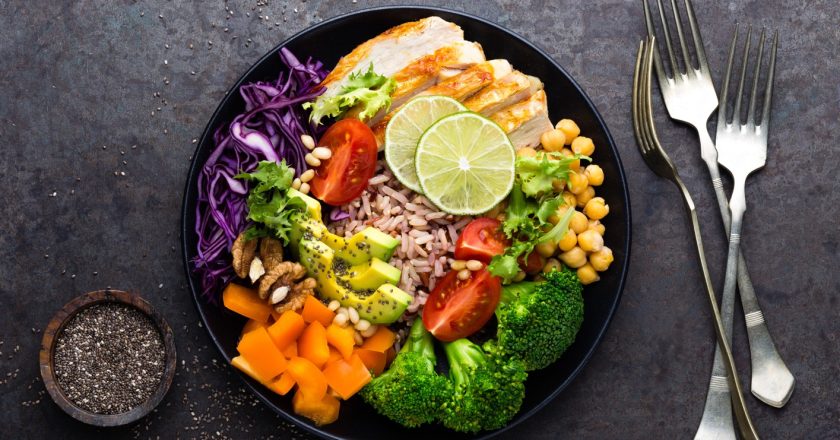
For many, the hardest part of a workout isn't the final set of lunges, but the "staircase struggle" that follows forty-eight hours later. This physical tax—known as Delayed-Onset Muscle Soreness (DOMS)—is often viewed as a badge of honor, yet it can sideline even the most dedicated athletes. While most reach for the medicine cabinet to dull the ache, fitness experts are pointing toward a more sustainable recovery tool: the kitchen. The Science of the "Micro-Tear" DOMS occurs when intense physical activity causes microscopic damage to muscle fibers. While this sounds alarming, it is actually the catalyst for growth. As these fibers knit back together, they become denser and stronger. However, the speed of this "knitting" depends heavily on nutritional fuel. "When you eat the right ...
How Many Times Is It Safe to Reheat Food? What Food Safety Experts Say
Nutrition & Meal Planning

How Many Times Is It Safe to Reheat Food? What Food Safety Experts Say

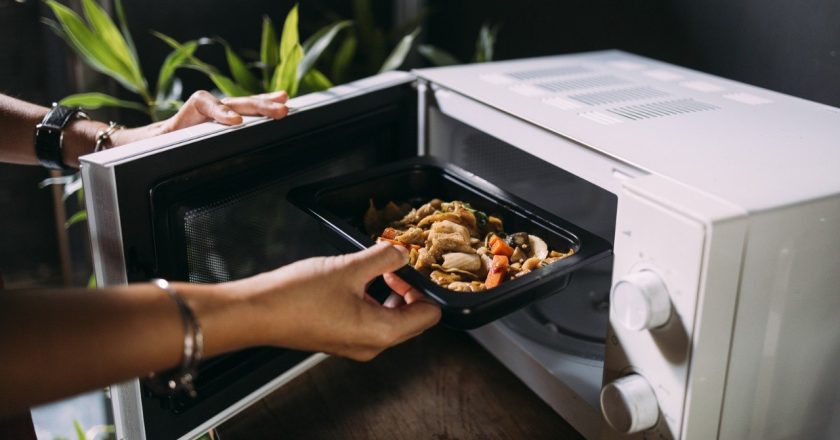
Leftovers can feel like a small victory at the end of a long day. After work, traffic, and household chores, opening the fridge to find a ready-made meal waiting can be a relief. But many people quietly wonder: how many times can you safely reheat the same food? The idea that reheating resets the safety clock is common in kitchens around the world. Some believe that as long as leftovers are heated again before they spoil, the food remains safe indefinitely. Food safety experts say that assumption can be risky. Foodborne illness is usually caused by pathogens—harmful bacteria, viruses, or parasites—that enter food during preparation or storage. According to microbiologists and food safety researchers, these microbes can appear through cross-contamination, poor hand hygiene, or contact...
Hooked on Sugar: Why Your ‘Healthy’ Juice Box May Be Worse Than Candy
Nutrition & Meal Planning

Hooked on Sugar: Why Your ‘Healthy’ Juice Box May Be Worse Than Candy

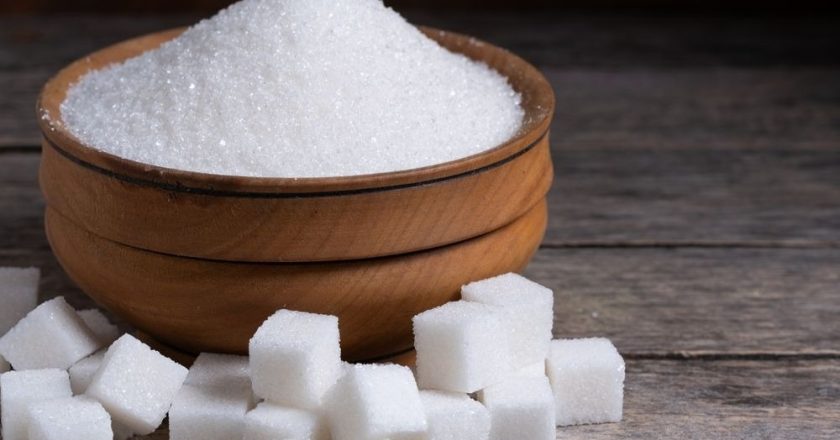
Walking into a community fitness centre in Accra recently, a bright pop-up banner stopped me cold. It read: “Juice Boxes. Not worth the squeeze. 1 box = 10 chocolate candies.” Beside it, ten chocolate kisses sat next to a small juice box. I assumed the banner was exaggerating. It wasn’t. That single juice box—the kind marketed to parents as a healthy lunchbox addition—contains about 20 grams of sugar. That’s five teaspoons. Even a tiny 4.26-ounce box of 100% juice with no added sugar packs 16 grams, or four teaspoons. For context, the World Health Organization recommends capping daily added sugar at roughly six teaspoons. One small drink gets you most of the way there. No wonder researchers have started calling fruit juice “liquid candy.” The 22-Teaspoon Reality Globally, sugar...
Think Your Meal Is Packed With Protein? These Popular Foods May Not Deliver as Much as You Expect
Nutrition & Meal Planning

Think Your Meal Is Packed With Protein? These Popular Foods May Not Deliver as Much as You Expect

Protein has become one of the most talked-about nutrients in modern nutrition. From fitness influencers to food packaging labels, many everyday foods are promoted as “protein-packed.” But nutrition experts say that some of the items commonly associated with high protein content actually provide far less than people assume. For individuals trying to support muscle recovery, stay fuller between meals, or meet daily nutrition goals, understanding where protein truly comes from is more important than ever. The Protein Confusion Protein is a key macronutrient responsible for building and repairing tissues, supporting immune function, and helping maintain muscle mass. Nutrition professionals often recommend aiming for about 15 grams of protein per meal to support satiety and muscle main...
Don’t Talk About Supplements Until You Can Deadlift Your Body Weight
Nutrition & Meal Planning

Don’t Talk About Supplements Until You Can Deadlift Your Body Weight

In the world of health optimization, it is not uncommon to hear hours of debate about whether vitamin D should be taken with K2, or whether a carnivore diet outperforms a vegan diet for inflammation. But according to a new "rule" jokingly coined by respected neuroscientist and podcaster, Dr. Andrew Huberman, those conversations should be off-limits until basic fitness standards are met. Introducing "Attia's Rule" — named after Dr. Peter Attia, whose frustration with supplement and nutrition dogma has reached a boiling point. "I just can't get enough of the machinating and arguing about this supplement versus that supplement," Attia said. "And I feel like you shouldn't be having those arguments until you have your exercise house in order." Huberman, a Stanford neurobiology pro...
Simple Grocery Habits That Save Money and Cut Food Waste
Nutrition & Meal Planning

Simple Grocery Habits That Save Money and Cut Food Waste

Walking into a grocery store without a plan isn’t a budget problem—it’s a brain drain. Between flashy endcaps, misleading health claims, and the sheer volume of choices, it’s no wonder many of us leave with a cart that doesn’t match our goals. The good news? A few small shifts in how you prepare, list, and navigate can turn grocery shopping from stressful to genuinely empowering. Start with a Map, Not a Mood Shopping on autopilot often leads to impulse buys and forgotten staples. The fix is simpler than meal prepping for 10 hours: plan just two or three main meals for the week, then build your list around overlapping ingredients. If you’re using chicken for a stir-fry, add extra to toss into a lunch salad. This “ingredient overlapping” cuts food waste and saves money—two wins that...
Why You Need to Swap Your Steak for Plant-Based Protein
Nutrition & Meal Planning

Why You Need to Swap Your Steak for Plant-Based Protein

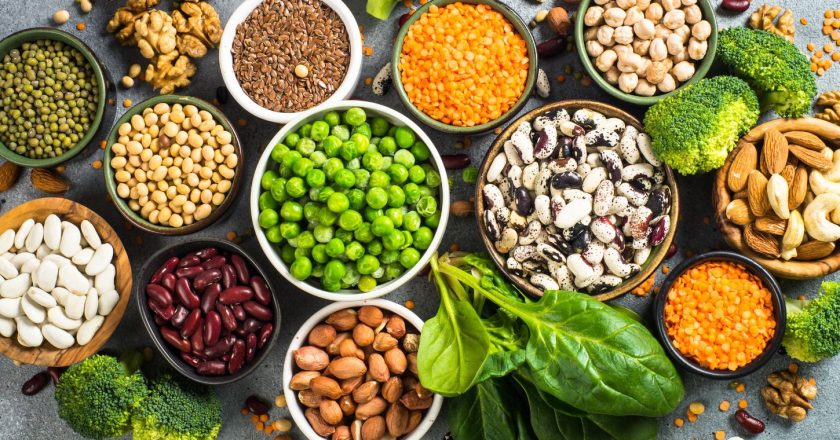
If you have ever wondered whether swapping your chicken for chickpeas would leave your muscles—or your planet—feeling a little thin, you are not alone in the "plant-curious" crowd. The global shift toward plant-forward eating is no longer a niche trend; it is a full-scale movement. Whether you are browsing the markets of Accra for groundnuts and beans or scanning a supermarket in London for the latest soy-based burger, the rise of plant proteins is reshaping our plates. But as we move away from animal sources, it is essential to separate the nutritional facts from the myths. Moving to a plant-based diet isn't just about what you subtract; it's about the powerful, fiber-rich, and environmentally sustainable fuel you add. The Myth of the "Complete" Protein For years, the gold st...
Reasons Why Enjoying Your Food Is Better For Your Health
Nutrition & Meal Planning

Reasons Why Enjoying Your Food Is Better For Your Health

If you have ever felt a twinge of guilt for choosing a meal based on taste rather than calorie count, it is time to introduce your palate to "Vitamin P"—the often-overlooked nutrient of pure, unadulterated pleasure. While we are frequently told to view food as mere fuel, the science of nutrition is shifting toward a more holistic truth: how much we enjoy our food is just as critical as the vitamins and minerals on our plates. From the bustling chop bars of Accra to the sleek bistros of Paris, the universal human experience of savoring a meal does more than just satisfy a craving; it fundamentally changes how our bodies process nourishment. Here is why you should stop counting calories for a moment and start prioritizing Vitamin P. The Science of "Rest and Digest" Pleasure isn’t...
Gluten-Free Isn’t for Everyone: What Research Says About Whole Grains
Nutrition & Meal Planning

Gluten-Free Isn’t for Everyone: What Research Says About Whole Grains

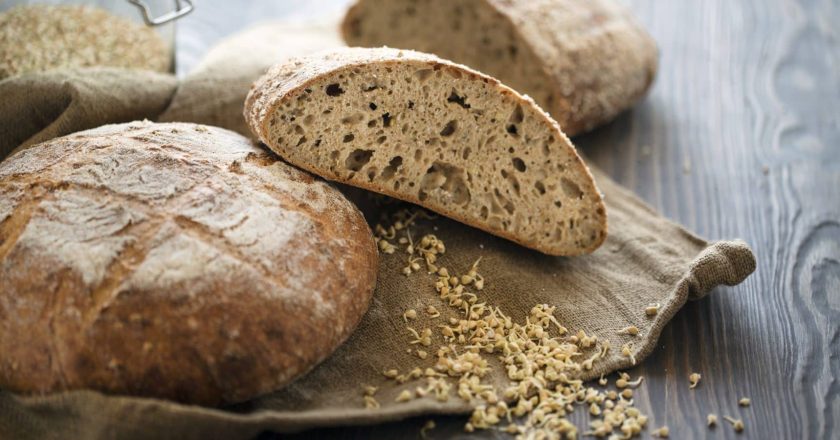
Gluten has become the dietary villain du jour, plastered across grocery shelves, menus, and wellness blogs. From paleo to wheat-free fad diets, millions are avoiding it—but is that really necessary for most of us? Recent research suggests the answer might surprise you. Understanding Gluten: Not Everyone Needs to Avoid It Gluten, a protein found in wheat, barley, and rye, can trigger severe health issues for a small fraction of the population. Celiac disease, an autoimmune condition caused by gluten, affects about 0.7% of Americans. For these individuals, a strict gluten-free diet isn’t optional—it’s lifesaving. Outside of celiac disease, however, the evidence supporting widespread gluten avoidance is limited. Over the past decade, gluten-free products have surged in popularity, of...
3 Overlooked Nutrients Every Woman Needs for Stronger Bones
Nutrition & Meal Planning

3 Overlooked Nutrients Every Woman Needs for Stronger Bones

Strong bones are often associated with one nutrient: calcium. But the truth is far more interesting. Your skeleton relies on a network of nutrients working together, and without the right supporting players, calcium alone can’t do much. For women, especially during and after menopause, this nutritional teamwork becomes essential for maintaining bone strength and preventing fractures later in life. While calcium and vitamin D usually dominate the conversation, several lesser-known nutrients quietly play powerful roles in keeping bones resilient. Three of the most important are boron, vitamin K, and zinc. Understanding how they work—and where to find them—can make a meaningful difference to lifelong bone health. Boron: The Nutrient That Helps Bones Use Other Nutrients Boron may not ...