Nutrition & Meal Planning

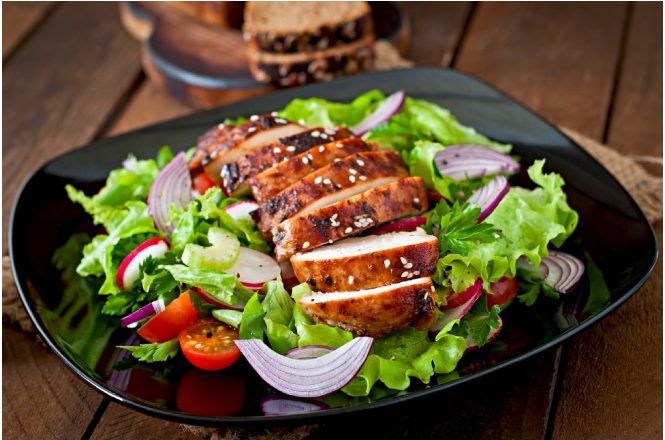
The Most Nutrient-Dense Vegetables Experts Say You Should Eat More Often
Nutrition & Meal Planning

The Most Nutrient-Dense Vegetables Experts Say You Should Eat More Often

In an era where ultra-processed foods dominate supermarket shelves and busy schedules often push healthy meals aside, nutrition experts continue to return to a simple truth: vegetables remain some of the most powerful tools for protecting long-term health. Packed with fiber, vitamins, minerals and antioxidants, vegetables support everything from heart health to digestion and immune function. Yet while nearly all vegetables offer benefits, research suggests that some stand out for their exceptional nutrient density — delivering large amounts of essential nutrients in relatively small portions. For people balancing office work, screen-heavy lifestyles and limited time for meal preparation, adding these vegetables to everyday meals can make a meaningful difference to overall nutrition. ...
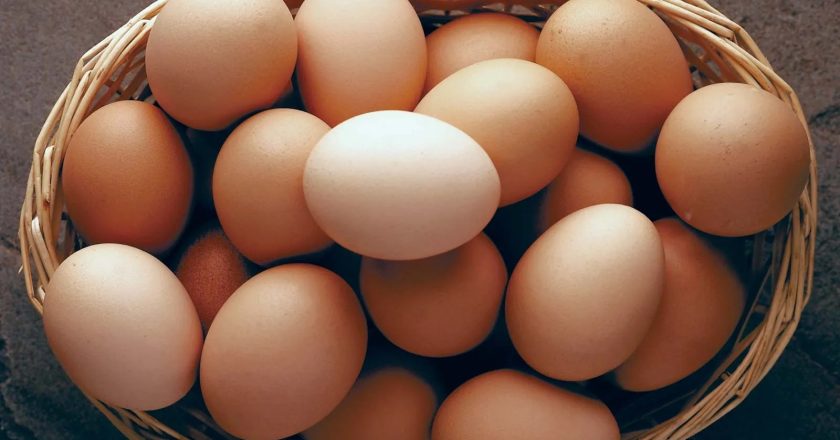
Why Eggs Are Being Reconsidered as One of the Healthiest Foods on Earth
Nutrition & Meal Planning

Why Eggs Are Being Reconsidered as One of the Healthiest Foods on Earth

For years, eggs sat in the nutrition “grey zone.” Praised for their protein but criticised for their cholesterol, many people approached them with caution. But modern nutrition research is steadily reshaping that narrative. Today, the humble egg is increasingly being recognised not as a dietary villain, but as one of the most nutrient-dense foods available. From busy professionals grabbing a quick breakfast before work to athletes focused on muscle recovery, eggs are quietly reclaiming their place as a staple of healthy eating. A Small Food Packed With Big Nutrition At first glance, an egg seems deceptively simple. Yet nutrition experts often describe it as one of nature’s most complete foods. A single large egg contains about 77 calories, along with 6 grams of high-quality pro...
Flaxseed and Heart Health: The Tiny Superfood That May Help Lower Cholesterol
Nutrition & Meal Planning

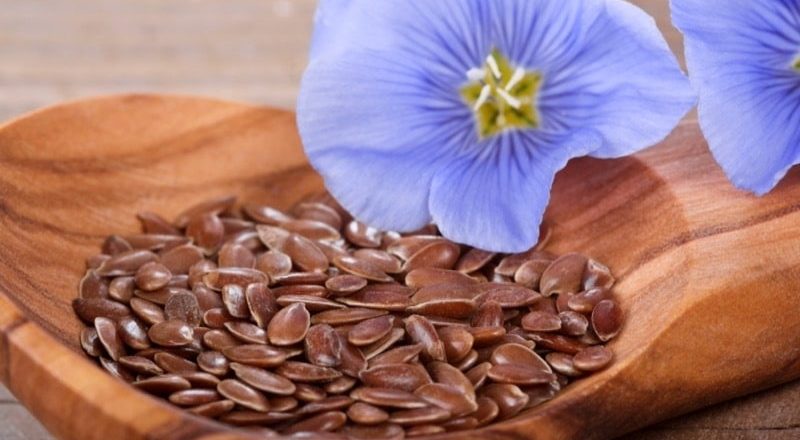
Flaxseed and Heart Health: The Tiny Superfood That May Help Lower Cholesterol

Heart disease remains one of the world’s leading health threats, and one major culprit continues to be high cholesterol. Yet nutrition experts say a small, overlooked seed found in many health stores and kitchens may offer a surprisingly powerful ally in managing it: flaxseed. Often called a “functional food,” flaxseed has gained attention among researchers and nutritionists for its potential role in supporting heart health. Packed with fiber, healthy fats, and plant-based compounds, the tiny seed is increasingly being studied for its ability to help reduce cholesterol levels naturally. The Growing Global Cholesterol Problem Cholesterol is a waxy substance present in every cell of the human body and plays a role in producing hormones, vitamin D, and digestive compounds. However, w...
“Miracle Plant” Could Remove Microplastics from Your Drinking Water
Nutrition & Meal Planning

“Miracle Plant” Could Remove Microplastics from Your Drinking Water

A new study has found that the humble moringa tree (Moringa oleifera), long celebrated in wellness circles for its nutritional benefits, may also offer a powerful, natural solution for removing dangerous microplastics from drinking water. Researchers at the Institute of Science and Technology of São Paulo State University (ICT-UNESP) discovered that a simple saline extract made from moringa seeds performs as effectively as conventional chemical coagulants like aluminum sulfate in water treatment. In some alkaline conditions, the plant-based extract even outperformed the synthetic chemical. Natural Alternative to Chemical Water Treatment Published in ACS Omega, the research shows that moringa seed extract can neutralize the negative electrical charge on microplastics, causing t...
Is Red Wine Really Healthy? New Research Says the Benefits Come From Grapes
Nutrition & Meal Planning

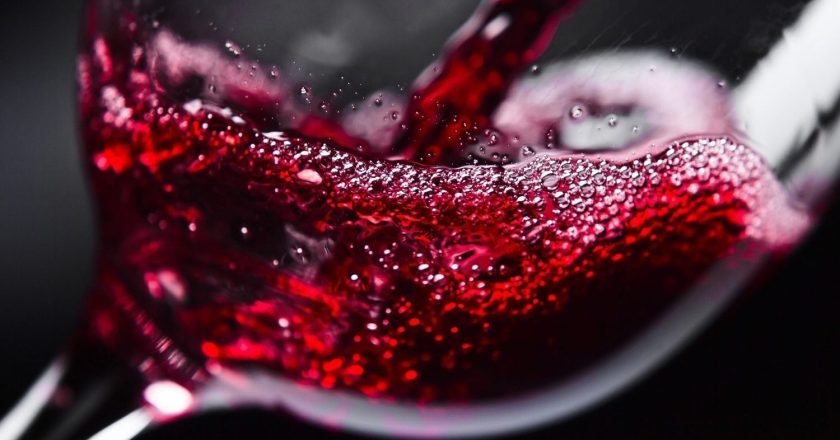
Is Red Wine Really Healthy? New Research Says the Benefits Come From Grapes

For years, red wine has enjoyed a reputation as the “healthy” alcoholic drink. From dinner tables to wellness blogs, moderate wine consumption has often been linked to better heart health. But a growing body of research is challenging that narrative. The real health hero, scientists say, may not be the wine at all—it’s the grapes. The Long-Standing Wine Debate Interest in red wine’s health benefits rose after studies suggested that people who drank small amounts regularly had lower rates of heart disease. The idea quickly took hold in popular culture: a glass of red wine could support cardiovascular health. However, researchers have continued to investigate whether those benefits actually come from the alcohol in wine or from compounds naturally found in grapes. A recent stu...
When Hunger Isn’t Really Hunger: The Hidden Triggers Behind Stress Eating
Nutrition & Meal Planning

When Hunger Isn’t Really Hunger: The Hidden Triggers Behind Stress Eating

Late at night, the kitchen light comes on. The day has been long—emails unanswered, deadlines looming, family obligations piling up. Without much thought, the freezer door opens and a tub of ice cream appears. For many people, stress eating begins exactly like this: quietly, automatically, and often without real hunger. Health experts say emotional eating is one of the most common coping habits in modern life. Yet the real challenge isn’t simply avoiding food during stressful moments. It’s learning how to break a cycle that links emotions, cravings, and comfort foods. At its core, stress eating happens when food becomes a shortcut to relief. The brain releases dopamine—a chemical linked to pleasure—when we eat, particularly sugary or high-fat foods. That temporary lift in moo...
The Simple Trick a Dietitian Uses to Hit Her Protein Goals on Busy Weeknights
Nutrition & Meal Planning

The Simple Trick a Dietitian Uses to Hit Her Protein Goals on Busy Weeknights

Meal planning often sounds like a good idea in theory, but quickly becomes overwhelming in practice. However, registered dietitian Natalie Rizzo has a straightforward strategy that makes hitting daily protein goals easier — even on the most hectic weeknights. Rizzo, a TODAY nutrition editor, sits down every Sunday to plan just six dinners for her family (they allow themselves one takeout night). Her key rule? Rotate the protein source every single night so meals stay exciting and nutritious. “What I try to do is make a different protein every night,” Rizzo explains. “Because I get bored eating the same thing every night.” How the Protein Rotation Strategy Works Instead of defaulting to chicken or beef repeatedly, Rizzo centers each dinner around a different plant-based pr...
Listen to Your Cravings: Why That Salt Habit Might Be More Than Just a Snack Craving
Nutrition & Meal Planning

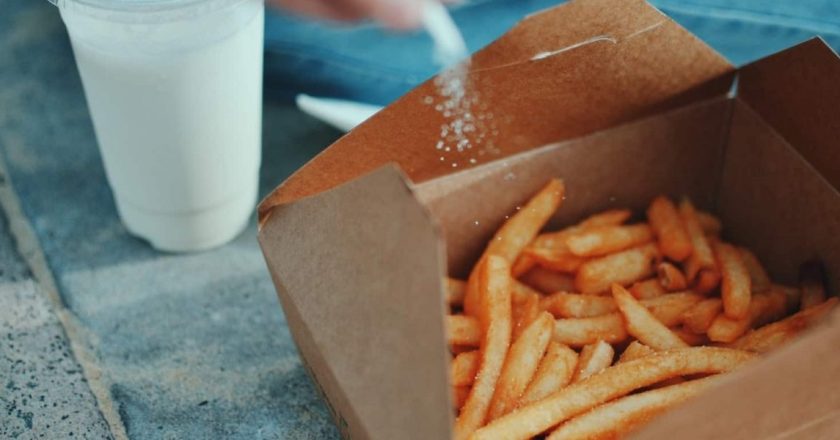
Listen to Your Cravings: Why That Salt Habit Might Be More Than Just a Snack Craving

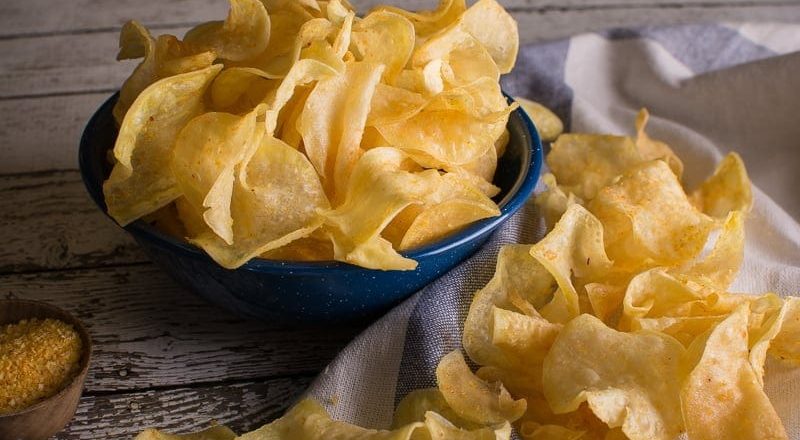
If you find yourself reaching for the salt shaker before you’ve even tasted your food, or if a bag of plantain chips feels less like a treat and more like a necessity, your body might be trying to tell you something urgent. While we often dismiss salt cravings as a simple lack of discipline, medical experts warn that a persistent "salt tooth" can be a sophisticated biological distress signal, masking everything from simple dehydration to rare genetic disorders. The Evolution of the Shaker In an evolutionary sense, our ancestors were programmed to seek out salt. In ancient times, sodium was scarce and vital for survival, helping the body maintain fluid balance and nerve function. Today, the script has flipped. In a world of processed "convenience" foods and quick-service meals, ...
The Gut-Mind Connection: Why Your Belly Fat Might Be ‘Emotional Armor’
Nutrition & Meal Planning

The Gut-Mind Connection: Why Your Belly Fat Might Be ‘Emotional Armor’

For many women, the mirror has become a site of frustration. Despite grueling gym sessions and restrictive calorie counting, "stubborn" belly fat often remains unmoved. But what if the midsection isn't "misbehaving," but rather trying to communicate? A growing perspective in holistic wellness suggests that the weight many women carry isn't merely a caloric surplus; it is a physical manifestation of undigested food, stagnant hormones, and unresolved emotional "armor." The Invisible Weight In the fast-paced corridors of modern life—from the high-pressure boardrooms of Accra to the digital home offices of London—wellness is often reduced to a simple equation of "calories in versus calories out." However, this overlooks the complex biological and psychological systems that govern the ...
What to Eat (and Avoid) in a Day for Better Sleep at Night, According to a Dietitian
Nutrition & Meal Planning

What to Eat (and Avoid) in a Day for Better Sleep at Night, According to a Dietitian

Struggling to fall asleep or stay asleep? Your plate may be partly to blame. While screen time, room temperature, and bedtime routines matter, what you eat (and when) plays a surprisingly powerful role in determining how well you rest at night. According to dietitians, making smart food choices from morning to evening can help regulate your circadian rhythm, promote relaxation, and reduce nighttime disruptions. Here’s a clear guide on what to embrace and what to limit for deeper, more restorative sleep. Foods and Habits to Avoid for Better Sleep Alcohol: It may help you fall asleep faster, but it fragments sleep later in the night, reducing deep restorative stages. Caffeine: Its effects can last 8–12 hours. Cut off coffee, tea, soda, and chocolate by noon if sleep is an i...