
Most people do not think about their triceps while carrying groceries, pushing open a heavy gate, lifting a child, or scrubbing bathroom tiles. Yet these muscles quietly power many of the movements that make daily life possible.
Located at the back of the upper arm, the triceps are often treated as “mirror muscles” — something to tone for appearance rather than function. But fitness experts say that mindset misses the bigger story. Strong triceps are closely connected to independence, mobility, and healthy aging.
As more people spend long hours seated behind desks or glued to phones, upper-body weakness is becoming increasingly common. Simple tasks that once felt effortless can gradually become tiring. That is one reason strength training, especially with accessible tools like dumbbells, is gaining attention far beyond professional gyms.
Why Simple Strength Training Matters
Unlike intimidating gym machines, dumbbells are straightforward and adaptable. A pair can fit into a bedroom corner in Accra just as easily as a high-end fitness studio in London or New York. More importantly, they allow people to build strength safely at their own pace.
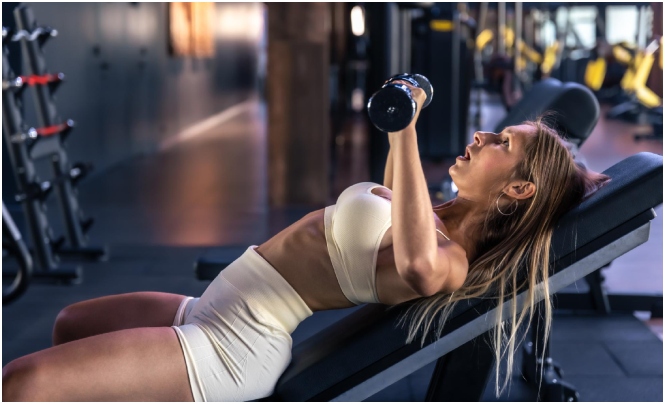
Exercises such as tricep kickbacks, overhead extensions, and narrow presses target the muscles responsible for extending the arms. While these movements may sound technical, their real-life impact is surprisingly practical. Stronger triceps can improve posture, support shoulder health, and make pushing and lifting movements easier over time.
Health professionals also point to a broader benefit: resistance training strengthens far more than muscles. It supports bone density, improves cardiovascular health, boosts mental wellbeing, and may help older adults maintain independence longer.
What matters most is consistency, not heavy lifting. Trainers often say the biggest mistake beginners make is rushing through exercises or choosing weights too heavy for proper form. Controlled movement matters more than ego.
Fitness That Fits Real Life
One reason dumbbell workouts continue growing in popularity is their flexibility. Exercises can be modified for beginners, older adults, or people recovering from injuries. Someone with balance concerns can perform movements seated or supported on a bench. Even short sessions at home can produce meaningful results over time.
There is something refreshing about fitness that focuses less on chasing perfect physiques and more on preserving strength for real life. The ability to lift, push, carry, clean, dance, and move confidently is not just about exercise. It is about quality of life.
And sometimes, that strength begins with something as simple as picking up a pair of dumbbells.