
For many gym-goers, fitness often revolves around visible muscles — bigger arms, flatter stomachs, sculpted legs. Meanwhile, one of the body’s hardest-working muscle groups quietly gets ignored until pain, poor posture, or weakness forces attention: the lats.
The latissimus dorsi, commonly called the lats, are the large muscles stretching across the upper back. They help people pull, lift, climb, breathe deeply, and stabilize the shoulders. Yet outside serious fitness circles, few people actively train them. Health experts say that this may be one reason why so many adults struggle with back tension, shoulder discomfort, and posture problems linked to long hours of sitting and screen time.
The Muscles Modern Life Is Weakening
Across cities like Accra, daily life increasingly happens in chairs — office desks, traffic, sofas, and screens. Over time, inactive back muscles weaken while shoulders roll forward and neck strain increases. The result often appears as stiffness, fatigue, or persistent aches people dismiss as ordinary stress.
Strong lats help counter that pattern by supporting the spine and shoulders during everyday movement. They also assist with pulling motions, whether carrying shopping bags, lifting children, moving furniture, or even climbing stairs while holding heavy loads. Fitness trainers say strengthening the back is not only about aesthetics. It improves posture, balance, mobility, and overall functional strength.
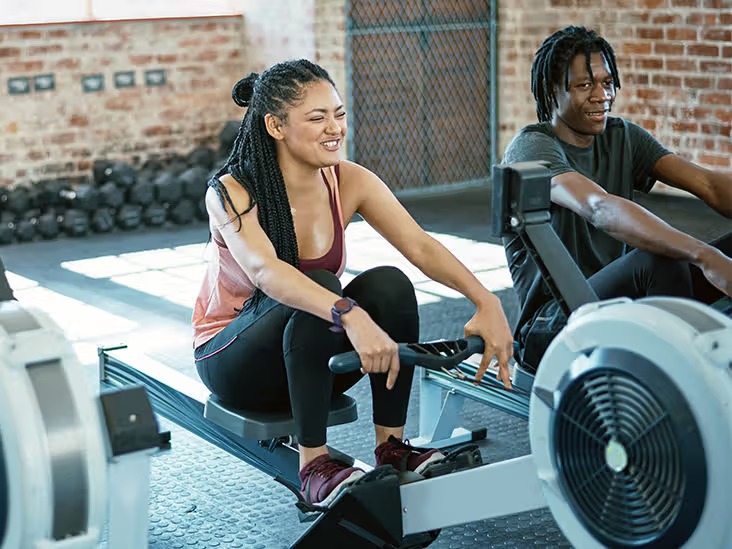
Three exercises continue to stand out for building healthier back muscles: lat pulldowns, pull-ups, and rows. Pull-ups remain one of the most effective upper-body exercises because they engage multiple muscle groups at once. Rows help improve posture and shoulder stability, while lat pulldowns offer a beginner-friendly option for people building strength gradually.
Strength Beyond Appearance
What makes lat training particularly valuable is how it supports the rest of the body. Strong back muscles reduce strain on smaller muscles in the shoulders, neck, and arms. They also improve performance in sports, manual work, and everyday physical activity.
Fitness coaches increasingly encourage people — especially beginners — to focus less on lifting heavy weights and more on controlled movement and proper form. Swinging weights or rushing repetitions often places unnecessary pressure on joints rather than strengthening muscles effectively.
Building a Stronger Body From the Back Forward
There is something symbolic about training the muscles people rarely see. The lats work quietly in the background, supporting movement, posture, and endurance long before anyone notices them in the mirror.
In many ways, good health works the same way. The strongest foundations are often the ones hidden beneath the surface — built slowly, consistently, and with intention.