
Somewhere between the celery juice curing all disease and the charcoal lemonade promising to scrub your soul clean, we lost the plot entirely. We started treating food like medicine, then like poison, then like a moral test we kept failing. The wellness industry built a very profitable prison, and they convinced us the walls were made of health.
Let’s pry open the cell door.
The Detox Tea Fantasy
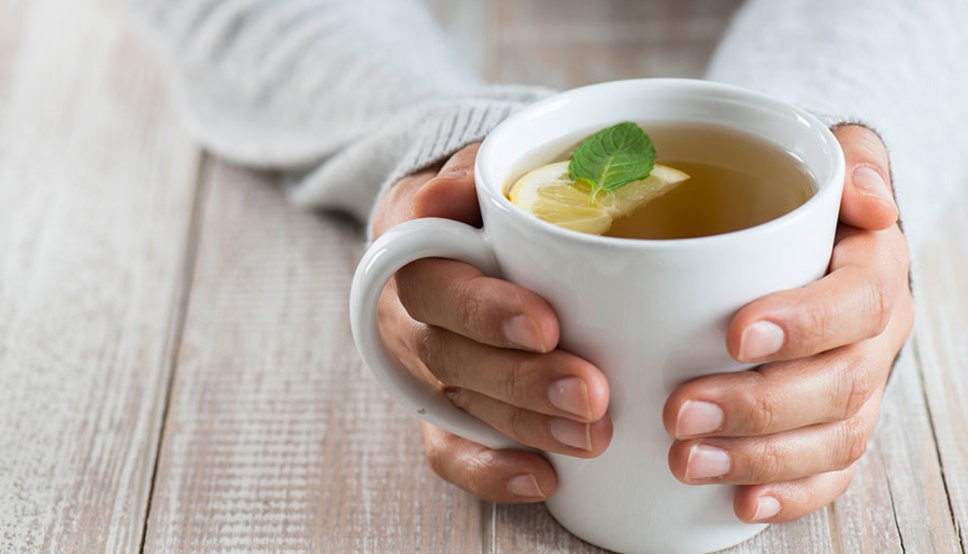
Here’s what happens when you drink that trendy tea promising to “flush toxins”: You pee a lot. Maybe you visit the bathroom with some urgency. This is not your body being purified. This is caffeine and mild laxatives doing what they do. Your liver and kidneys—two organs you already possess, free of charge—handle detox every single second without a fancy subscription service. If they stopped working, no amount of overpriced leaves would save you. The tea industry took a bodily function you were born with and sold it back to you in a pretty box.
The “Clean Eating” Morality Play
“Clean” versus “dirty.” “Guilt-free” versus “sinful.” We borrowed language from religion and applied it to quinoa. This framing sets up a game you cannot win. If you eat “clean,” you’re virtuous. If you eat “dirty,” you’re morally stained. But food has no soul. Broccoli is not good, and cake is not evil. Cake is just cake—flour, sugar, butter, eggs, joy. When you assign moral weight to food, every meal becomes a judgment. You carry shame for enjoying a cookie. You feel superior for skipping bread. This is not healthy. This is exhausting.
The “Toxin” Hoax
Nobody selling you a detox protocol can name the specific toxins they’re removing. Ask them. Watch the scramble. “Toxins” is a magical word meaning “things we vaguely think are bad, probably.” The body processes actual toxins—environmental pollutants, metabolic waste, the normal byproducts of being alive—through systems that don’t require cayenne lemon water. If toxins accumulated the way detox marketers suggest, humanity would have died out centuries ago.
Why These Myths Persist
Simple answers sell. “Drink this, be pure” is easier to market than “eat a variety of foods, sleep enough, move your body, and accept that digestion is a normal process.” The wellness industry thrives on making you feel broken so you’ll buy the fix. They need you afraid of your own body. A calm person who trusts their organs doesn’t need the twenty-eight-day cleanse.
What Actually Deserves Your Attention
Fiber feeds your gut bacteria. Water keeps things moving. Vegetables provide nutrients. Sleep allows repair. That’s the entire “detox” protocol, stripped of marketing. Your body knows how to handle itself when you stop throwing obstacles in its way. The magic isn’t in a tea bag. It’s in the boring, unsexy consistency of feeding yourself decent food most of the time and not panicking about the rest.
Conclusion
You can stop searching for the perfect cleanse. You can stop feeling guilty for eating bread. The wellness industry needs you confused and ashamed. Real health asks something simpler: eat food, not too much, mostly plants, and maybe enjoy your life along the way. Your liver worked before you bought the tea. It’ll keep working after. Trust the organs you have, not the ones someone’s trying to sell you.